
# Bali Beyond the Viewpoint: Island Favorites, Honest Costs, and Staying Safe on the Cliffs
## The Vibe & When to Go
Bali can feel like several places in one trip. In Ubud, mornings begin with the sound of scooters and temple bells, while Seminyak is louder, busier, and full of beach clubs. Head north and the island becomes greener and quieter, with coffee farms, rice terraces, and mountain roads that seem to disappear into the clouds.
The dry season, generally **April to October**, brings sunnier days and better conditions for beaches, boat trips, and cliff walks. July and August are popular but crowded. The wet season, from roughly **November to March**, can still bring beautiful mornings, though heavy rain may make waterfalls, hikes, and narrow roads slippery.
Bali is always tempting, but this is also a place where a dramatic viewpoint deserves respect. A recent report about an Australian tourist dying after an approximately 80-metre fall at a popular Bali destination is a painful reminder that cliffs, wet rocks, strong surf, and unofficial paths are not harmless photo spots. I never stand beyond barriers for a picture, and I avoid cliff walks during rain or strong winds.
## Must-See Spots: My Top Picks
### 1. Ubud’s rice terraces and quiet village lanes
The famous terraces around Tegallalang are beautiful, but they can be crowded by mid-morning. I prefer arriving early, then taking a slower drive through nearby villages where small paths run between palms, banana trees, and working fields.
Bring small cash for entrance fees and local donations. Wear shoes with a decent grip—the stone paths can be slick after rain. If you want photographs without the busiest crowds, ask your driver about less famous terraces around Ubud rather than trying to squeeze into one viewpoint with a dozen tour groups.
### 2. Uluwatu and the Bukit Peninsula
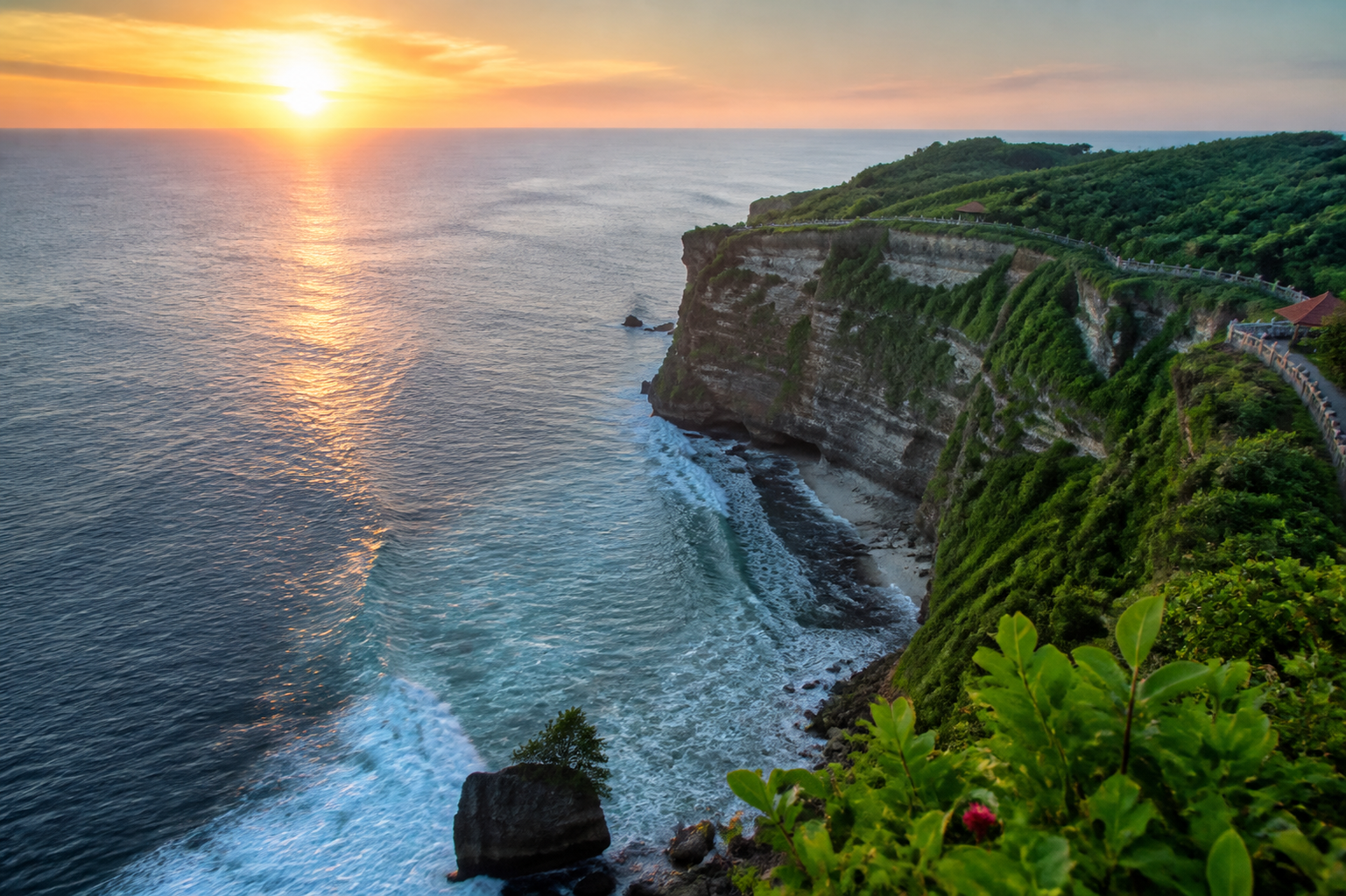
Uluwatu Temple sits high above the Indian Ocean, and the sunset views are genuinely impressive. The temple grounds are atmospheric, but the cliff edges can be dangerous, especially when visitors get focused on their phones instead of the ground.
Stay behind every railing, keep bags away from curious monkeys, and don’t climb onto rocks for a better angle. The Kecak dance at sunset is popular, so arrive early if you want a seat. For a quieter evening, explore the nearby beaches and warungs before heading back toward Jimbaran for grilled seafood.
### 3. Nusa Penida, with a little more caution
Kelingking Beach, Diamond Beach, and the viewpoints around Nusa Penida are spectacular, but the island’s roads and cliff paths are rougher than many first-time visitors expect. Some tracks are steep, narrow, and poorly protected. A viewpoint may look easy from above while the route down is exhausting and exposed.
I’d recommend choosing one or two main sights rather than racing around the island. Hire a local driver, wear proper walking shoes, carry water, and skip the descent if the trail is wet or crowded. The view is not worth risking a serious fall.
If you take a boat from Sanur, keep your phone and passport in a waterproof pouch. Sea conditions can make the crossing bumpy, particularly outside the calmest months.
### 4. North Bali’s waterfalls and black-sand coast
Around Munduk, Bali feels cooler and much less hectic. Waterfalls, clove trees, coffee plantations, and winding roads make this a good place to slow down for a few days.
Many waterfall paths involve steep steps and slippery rocks. I use both hands where needed, avoid standing directly beneath unstable cliff faces, and leave before dark. The north coast is also lovely for a quiet sunrise, especially around Lovina, though it has a more relaxed feel than the island’s southern beaches.
## Practical Travel Advice
### Getting there and visa requirements
Most visitors fly into **Ngurah Rai International Airport**, usually called Denpasar Airport, even though it is in the south of Bali. There are direct flights from Australia, Singapore, Kuala Lumpur, Bangkok, and other Asian hubs.
For many travelers, including Australians, Indonesia offers a **30-day Visa on Arrival**, which can usually be obtained online as an e-VOA or at the airport. The fee is commonly **500,000 Indonesian rupiah**, though requirements and prices can change. Your passport should generally have at least six months’ validity and a blank page, and you may be asked for proof of onward travel.
Bali also charges a separate **tourist levy**, currently 150,000 rupiah for many international visitors. Complete the official online forms where possible and keep screenshots of confirmation emails. Indonesia’s electronic customs declaration is also useful to complete before arrival.
Check the Indonesian immigration website or your airline before flying, since visa rules can change.
### Where to stay
– **Ubud:** Best for temples, food, yoga, rice fields, and a slower cultural stay. Choose somewhere just outside the central streets if you want quiet nights.
– **Seminyak or Canggu:** Good for cafés, restaurants, surfing, and nightlife. Traffic can be frustrating, especially around sunset.
– **Sanur:** A calmer beach base with easier access to Nusa Penida and the Gili Islands. I like it for families and early boat departures.
– **Uluwatu:** Great for surfers, sunsets, and cliff scenery. It is more spread out, so having a driver or scooter is helpful.
– **Jimbaran:** A relaxed choice near the airport, with seafood restaurants and a gentler pace than Kuta or Seminyak.
– **Munduk or Lovina:** Better for cooler weather, waterfalls, and a quieter northern Bali experience.
### Getting around
Bali is not especially walkable outside central neighborhoods. For short trips, **Grab and Gojek** are usually the cheapest options, although some tourist areas restrict app-based pickups. Your hotel can arrange a local driver when needed.
Scooters are convenient, but only rent one if you are properly licensed and genuinely confident on busy, uneven roads. International driving permits may be required, and travel insurance can exclude accidents if you ride without the correct license or helmet.
For a full day, a private driver often costs around **600,000–900,000 rupiah**, depending on the area and hours. Agree on the price before setting off and clarify whether fuel and parking are included.
## Real Costs and Local Tips
### Typical daily budgets
**Budget traveler: 500,000–900,000 rupiah per day**
– Simple guesthouse or dorm
– Local meals at warungs
– Short Grab or Gojek rides
– A few modest entrance fees
**Mid-range traveler: 1,200,000–2,500,000 rupiah per day**
– Comfortable hotel or villa
– Café breakfasts and restaurant dinners
– Occasional private driver
– Temple visits, massages, or organized day trips
These figures do not include international flights, major boat trips, shopping, or nightlife.
Indonesia uses the **rupiah**, and prices can look confusing because of the large numbers. A meal costing 50,000 rupiah is not unusually expensive—it is simply a little over a few Australian dollars, depending on the exchange rate.
Tipping is not compulsory, but rounding up or leaving **5–10%** for good service is appreciated. Some restaurants add a service charge, so check the bill before adding more.
### Small tricks that make Bali easier
– **Eat where locals eat.** A busy warung with a short menu is often fresher and cheaper than a restaurant aimed entirely at tourists.
– **Carry small notes.** Temple donations, parking, toilets, market purchases, and small snacks often require cash.
– **Book boats directly or through a reputable operator.** Be cautious with unofficial beach sellers offering suspiciously cheap tickets.
– **Start early.** You’ll avoid traffic, heat, and the worst crowds at popular viewpoints. Early mornings are also safer for cliff walks and waterfall visits.
– **Use refill stations.** Many hotels and cafés offer filtered water, which cuts down on plastic bottles and saves money.
– **Respect temple rules.** Wear a sarong where required, don’t climb sacred structures, and avoid entering areas marked for worship only.
– **Treat cliffs as hazards, not photo props.** Stay on marked paths, keep away from unstable edges, and turn around when conditions become wet or windy.
Bali can be joyful, affordable, and deeply memorable, but the island is best enjoyed with a little patience and caution. The strongest memories I’ve taken home were not from standing closest to an edge—they came from long breakfasts, quiet village roads, kind conversations, and watching the light change over the rice fields.
KEYWORDS: Bali temple, Bali cliffs