
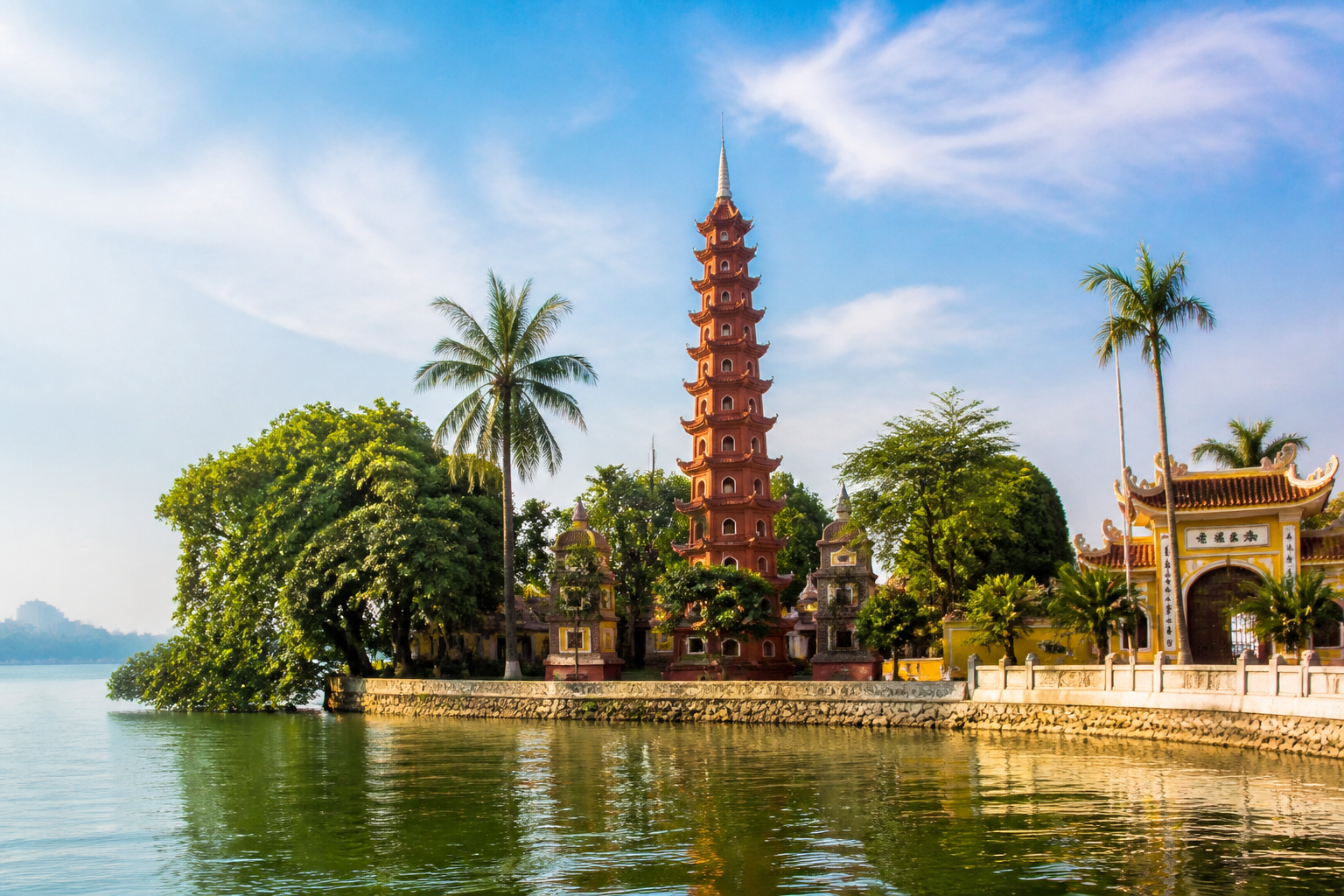
# Vietnam’s Medical Tourism Moment: A Practical Guide to Healing, Eating, and Exploring
Vietnam is becoming more than a holiday stop. In Ho Chi Minh City, Hanoi, and increasingly Da Nang, modern hospitals and private clinics are attracting visitors looking for dental work, cosmetic procedures, health screenings, fertility care, and specialist treatment at prices that can be lower than in Singapore, Australia, Europe, or North America.
I first noticed how naturally healthcare fits into a Vietnam trip. A friend combined a dental appointment in Ho Chi Minh City with a quiet few days by the coast, while another came for a full health check and stayed on to eat her way through the city. It is not the kind of travel I would plan casually, but with careful research, Vietnam can offer good medical care alongside excellent food, comfortable hotels, and easy domestic travel.
The important part is to treat the medical side seriously. Choose a properly licensed hospital or clinic, check the doctor’s credentials, ask about follow-up care, and never book treatment based on a discount alone.
## The Vibe & When to Go
Vietnam feels energetic, practical, and wonderfully alive. Ho Chi Minh City is noisy and fast-moving, with scooters slipping through traffic and small coffee shops tucked between office towers. Hanoi is more atmospheric, with old streets, lakes, French-era buildings, and a cooler winter feel. Da Nang is calmer, cleaner, and easier to manage if you want recovery time near the sea.
Weather changes a lot from north to south:
– **Ho Chi Minh City and the Mekong Delta:** Hot most of the year. December to April is generally drier, while May to November brings short but heavy showers.
– **Hanoi:** Cooler from November to March, hot and humid from May to August. Spring and autumn are usually the most comfortable.
– **Da Nang and central Vietnam:** Often sunny from February to August, with a wetter storm season later in the year.
For a medical trip, I would choose the season that gives you the best recovery conditions rather than simply chasing the cheapest flight. Avoid arriving just before a major procedure after a long overnight journey. Give yourself a quiet day or two first, and leave extra time afterward in case your appointment or recovery takes longer than expected.
## Must-See Spots: My Top Picks
### 1. Ho Chi Minh City’s District 1 and District 3
Many international hospitals, dental clinics, and private medical centers are in or around central Ho Chi Minh City. District 1 is convenient for first-time visitors, with hotels, pharmacies, cafés, and restaurants close by. District 3 feels a little more local and leafy, and I prefer it when I want a calmer base.
Between appointments, I like walking around the Central Post Office, Notre-Dame Cathedral area, and the shaded streets near Turtle Lake. The War Remnants Museum is powerful and emotionally heavy, so I would not schedule it immediately after a procedure.
For a gentler outing, have Vietnamese iced coffee, visit a small book café, or book a short food tour with plenty of sitting time. Street food is fantastic, but after treatment I would choose busy, clean-looking places and avoid anything that might upset my stomach.
### 2. Hanoi’s Old Quarter and Hoan Kiem Lake
Hanoi is a good choice for visitors who want medical care with a slower cultural rhythm. The Old Quarter is crowded and full of narrow streets, but Hoan Kiem Lake gives you a pleasant place to walk early in the morning.
I enjoyed wandering away from the busiest shopping lanes toward the French Quarter, where the streets are wider and the cafés are less cramped. The Temple of Literature is another good stop, especially if you go early before the heat and tour groups arrive.
Hanoi’s food is a major reason to stay a few extra days. Try pho, bun cha, egg coffee, and steamed rice rolls. If you are recovering, ask for less chili and avoid eating too heavily before an appointment.
### 3. Da Nang for a Quieter Recovery
Da Nang appeals to me for one simple reason: it is easier to breathe there. The city has broad roads, a long beach, modern hotels, and less chaotic traffic than Ho Chi Minh City or Hanoi. It is also home to growing private healthcare services, though you should confirm that the specific treatment you need is available locally.
My favorite plan is to stay near My Khe Beach but not directly on the busiest beachfront road. You can take gentle walks, order fresh seafood, and enjoy a quieter few days after treatment. Hoi An is less than an hour away and lovely in the evening, though its uneven streets and crowds may not suit you immediately after surgery.
### 4. A Slow Day in the Mekong Delta
If your doctor says travel is fine, a day trip from Ho Chi Minh City into the Mekong Delta adds a completely different side of Vietnam. The canals, fruit gardens, small boats, and riverside markets feel far removed from the city.
I would only do this after the medical part of the trip, not before a procedure. Tours can involve long drives, hot weather, boat transfers, and lots of walking. For a comfortable visit, book a private car rather than the cheapest group tour.
## Practical Travel Advice
### Getting There & Visa
Vietnam has major international airports in:
– **Ho Chi Minh City:** Tan Son Nhat International Airport
– **Hanoi:** Noi Bai International Airport
– **Da Nang:** Da Nang International Airport
Vietnam generally offers an **e-visa of up to 90 days**, with single-entry and multiple-entry options available for many nationalities. Apply through the official Vietnamese immigration website, not a random agency charging extra fees. Your passport usually needs at least six months’ validity, and you should check that your name, passport number, and entry airport are entered correctly.
Visa rules can change, so confirm the latest requirements before booking flights. Bring printed copies of your visa approval, clinic appointment, hotel booking, insurance, and important medical records.
For flights, I usually compare fares into Ho Chi Minh City and Hanoi rather than assuming one will be cheaper. If you need to travel between cities, domestic flights are often affordable, but leave plenty of time around medical appointments. A delayed flight is stressful on an ordinary holiday and much worse before a consultation or procedure.
### Where to Stay
– **District 1, Ho Chi Minh City:** Best for convenience, restaurants, pharmacies, and first-time visitors.
– **District 3, Ho Chi Minh City:** Quieter, greener, and still close to central clinics.
– **Tay Ho, Hanoi:** Good for longer stays, international restaurants, and a more relaxed atmosphere.
– **Hanoi Old Quarter:** Handy for sightseeing, but noisy and not ideal if you need uninterrupted rest.
– **My Khe Beach, Da Nang:** A comfortable choice for recovery, with hotels, cafés, and the beach nearby.
– **Near the hospital or clinic:** The most sensible option for the first nights after treatment. A pretty hotel across town is not useful if you are tired or uncomfortable.
Ask the hotel for a quiet room away from the lift and street-facing traffic. An elevator, reliable air-conditioning, a walk-in shower, and a small fridge can matter more than a rooftop pool.
### Getting Around
Walking is easy in parts of Hanoi and central Ho Chi Minh City, but crossing the road takes patience. Follow the local rhythm, move steadily, and do not suddenly stop halfway through traffic.
For rides, **Grab** is the app I use most. It offers cars and motorbike taxis, although a car is the safer choice after any procedure. Taxis from reputable companies such as Mai Linh and Vinasun are also common in the larger cities.
The metro in Ho Chi Minh City has begun improving public transport options, but it does not replace taxis for every neighborhood. In Hanoi, the metro can be useful for certain routes, though most visitors still rely on Grab and walking.
Arrange airport pickup through your hotel or clinic if you are arriving late, carrying medical documents, or feeling unwell. It removes one small headache after a long flight.
## Real Costs & Local Tips
Vietnam remains affordable, but medical care varies widely. A cheap quote may not include anesthesia, tests, medication, hospital fees, follow-up visits, or treatment for complications.
### Typical daily travel budgets
**Budget traveler: US$25–45 per day**
– Simple guesthouse or budget hotel
– Local meals and street food
– Grab rides and occasional buses
– Free sights and inexpensive museums
**Mid-range traveler: US$70–140 per day**
– Comfortable three- or four-star hotel
– Restaurant meals and good cafés
– Regular car rides
– Paid attractions and occasional private tours
Medical appointments, procedures, prescriptions, insurance, and recovery days are separate costs. Ask for a written estimate in both Vietnamese dong and your preferred currency.
Vietnam’s currency is the **Vietnamese dong (VND)**. Cash is still useful for small restaurants, markets, taxis, and neighborhood cafés, while hotels and larger clinics usually accept cards. Tipping is not compulsory, but rounding up or leaving a small amount for helpful hotel staff, drivers, or tour guides is appreciated. A service charge may already appear on restaurant bills.
### A few money-saving and safety tricks
– **Get a local SIM or eSIM early.** Grab, maps, translation apps, and clinic communication are much easier with mobile data.
– **Use the official clinic quote.** Ask what happens if you need another consultation, extra medication, or a follow-up scan.
– **Carry small notes.** Vendors often cannot change large bills, and paying with a 500,000-dong note for a tiny coffee can be awkward.
– **Avoid booking treatment and sightseeing too tightly.** A savings plan is not a good plan if you have to rush across the city while recovering.
– **Bring your medical history in English.** Include prescriptions, allergies, previous operations, scan results, and your doctor’s contact details.
– **Check travel insurance carefully.** Many policies exclude planned treatment abroad, and some will not cover complications from elective procedures.
Vietnam’s medical tourism industry is growing because the country offers a tempting combination: improving private healthcare, lower everyday costs, skilled doctors in major cities, and a genuinely enjoyable place to spend time before or after an appointment. Just keep the priorities in the right order. Research the provider first, plan a comfortable recovery, and let the cafés, markets, beaches, and old streets fill the rest of the trip.
KEYWORDS: Vietnam travel, Ho Chi Minh City