
# Saudi Arabia Beyond the Headlines: Riyadh, Jeddah, AlUla, and the Real Cost of Visiting
Saudi tourism is entering a more complicated chapter, with Ageel Alshaibani taking charge as the country tries to turn its ambitious tourism plans into a lasting, everyday travel experience. That pressure is easy to understand when you visit: Saudi Arabia is changing quickly, but parts of it still feel wonderfully unpolished and personal.
I found the best moments were not always at the headline attractions. They happened over cardamom coffee in a quiet courtyard, while getting slightly lost in an old market, or during a long evening drive when the desert suddenly turned pink.
## The Vibe & When to Go
Saudi Arabia feels big, confident, and full of contrasts. Riyadh is modern and fast-moving, with glass towers, busy cafés, and enormous roads. Jeddah is looser and more social, with Red Sea air, old coral-stone houses, and late-night food spots. AlUla feels almost dreamlike, with sandstone cliffs and a slower rhythm.
The best time to visit is generally **November through February**, when daytime temperatures are comfortable and evenings can be surprisingly cool. March and April can still be pleasant, especially in AlUla, but the heat starts building. From June to September, much of the country becomes intensely hot, although air-conditioned malls and hotels make city travel possible.
If you are traveling during Ramadan, expect shorter business hours and very different daytime routines. After sunset, cities come alive with family gatherings, temporary food stalls, and long evening meals. It is a special time to visit, but you need to plan around changing opening hours.
## Must-See Spots: My Top Picks
### 1. Diriyah and At-Turaif, Riyadh
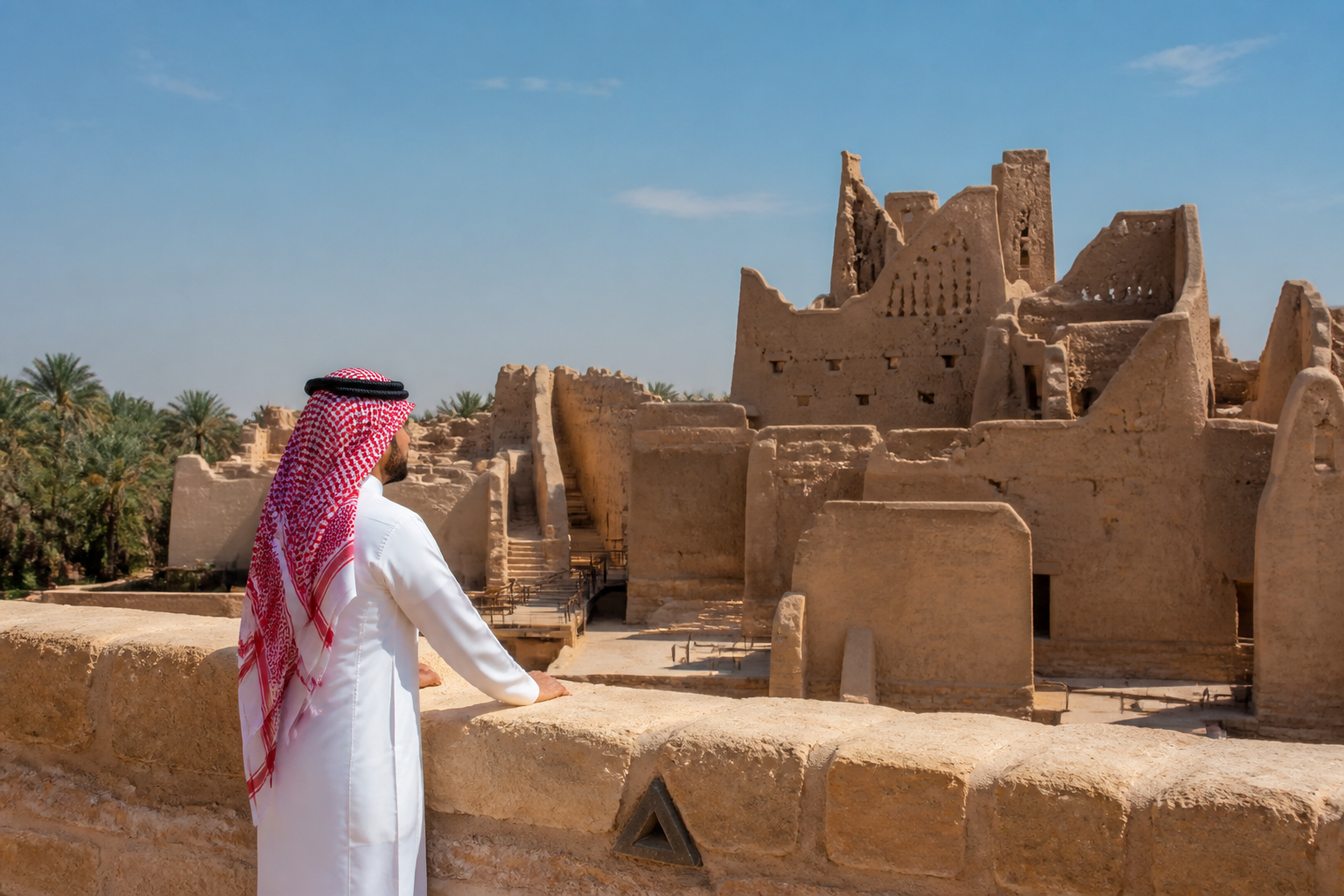
Diriyah is the place I would start in Riyadh. The mud-brick walls of At-Turaif tell the story of the early Saudi state, while the surrounding area has been developed with restaurants, walkways, and cultural spaces.
Go near sunset if you can. The light softens the ochre-colored buildings, and the cooler air makes wandering much more enjoyable. I preferred arriving before dinner, taking my time around the historic area, then staying for a meal rather than rushing through it as a quick photo stop.
Wear comfortable shoes; the paths are easy enough, but you will probably walk more than expected. Some sections and attractions may require timed tickets, so check opening information before setting out.
### 2. AlUla and Hegra
AlUla is the destination that stayed with me longest. The landscape seems almost too dramatic to be real, with huge rock formations rising from a broad desert valley. Hegra, Saudi Arabia’s first UNESCO World Heritage site, is the major attraction, especially the carved tombs at Qasr Al-Farid.
A guided visit makes a big difference because the stories behind the Nabataean sites are easy to miss on your own. Tours are often arranged by bus or 4WD vehicle, and daytime excursions can be hot even in winter.
Do not limit yourself to Hegra. Spend time in **AlUla Old Town**, visit the rocks around **Elephant Rock**, and look for a quieter café away from the busiest evening hours. AlUla is not a cheap stop, but slowing down here feels more rewarding than packing every activity into one day.
### 3. Historic Jeddah, or Al-Balad
Al-Balad has a completely different mood from Riyadh. Its old houses, carved wooden balconies, narrow lanes, and small shops reflect Jeddah’s long history as a Red Sea trading port.
I liked visiting in the late afternoon, when the streets began filling with residents and the temperature dropped. Wander without a strict route. You will find spice shops, tiny bakeries, antique sellers, and buildings that look worn but beautiful in a way no new development can recreate.
Try local food while you are there, especially **mutabbaq**, grilled meats, falafel, and Saudi coffee. A cold drink from a small juice shop is welcome after walking around. Some buildings are being restored, while others remain rough around the edges, so expect a living neighborhood rather than a polished open-air museum.
### 4. The Edge of the World
About a two-hour drive from Riyadh, the Edge of the World is a dramatic escarpment overlooking a seemingly endless plain. Standing at the top is impressive, but the journey is part of the experience: red dirt tracks, scattered rock formations, and wide-open silence.
You should go with a licensed tour or a driver who knows the route. A normal rental car may not be suitable for the final desert tracks, especially after rain. Bring water, sun protection, and sturdy shoes. There is very little shade, and mobile service can be unreliable.
The best light is around sunrise or sunset, but do not attempt a remote visit after dark unless you are with an experienced guide.
## Practical Travel Advice
### Getting There and Visa
Riyadh, Jeddah, and Dammam are the main international gateways. Jeddah is usually the most convenient arrival point for Red Sea trips and pilgrimage travel, while Riyadh works well for city breaks and central Saudi Arabia.
Many nationalities can apply for a **Saudi tourist eVisa online**, while others may need an embassy visa or an electronic visa through a different application route. Your passport generally needs at least six months’ validity, and requirements can change, so check the official Saudi visa portal before booking nonrefundable travel.
A few important points:
– Tourist visas are not the same as Hajj or Umrah permits.
– Non-Muslim visitors cannot enter the holy city of Makkah. Access rules around Madinah also vary by location and current regulations.
– Travel insurance may be included with some visa types, but check what it actually covers.
– Flights can be cheaper when booked into one city and out of another, such as Riyadh in and Jeddah out.
– Domestic flights save a lot of time because Saudi Arabia is vast. Book early around holidays and major events.
### Where to Stay
**Riyadh:**
Stay around **Olaya** or the **King Abdullah Financial District** if you want modern hotels, restaurants, and easy access to business areas. For a more relaxed café-and-dining atmosphere, look toward **Al-Malqa** or northern Riyadh.
**Jeddah:**
The **Corniche** is best for sea views, hotels, and evening walks. Choose **Al-Balad** if you want atmosphere and historic surroundings, though accommodation can be less predictable than in the newer districts.
**AlUla:**
Staying near the Old Town is convenient for restaurants and evening activities. Desert resorts and private villas offer a memorable setting, but prices rise sharply during peak season.
Saudi hotels range from simple furnished apartments to extremely luxurious resorts. I found apartments particularly useful for longer stays because they often include kitchens and laundry facilities.
### Getting Around
Saudi cities are not especially walkable. Riyadh, in particular, is spread out, and the heat makes long walks uncomfortable for much of the year.
– **Uber and Careem** are widely used in major cities.
– Taxis are available, but app-based rides usually make pricing and pickup easier.
– Riyadh’s metro is being introduced in stages, so check the current operating lines rather than relying on older travel information.
– Jeddah is still easiest by car or rideshare.
– Renting a car is useful for AlUla, coastal areas, and road trips, but city driving can be stressful if you are unfamiliar with local traffic.
– For desert sites, use an experienced driver or organized tour rather than trusting ordinary navigation apps.
Women travelers can travel independently, and Saudi Arabia is generally more relaxed than many first-time visitors expect. Dress modestly in public, avoid overly revealing clothing, and follow local customs around photography. Always ask before photographing people, especially families.
## Real Costs and Local Tips
The currency is the **Saudi riyal (SAR)**. Cards are accepted almost everywhere in cities, but I still carried a small amount of cash for market stalls, small cafés, and roadside stops.
### A realistic daily budget
**Budget traveler: around SAR 250–450 per person**
– Basic hotel or shared accommodation: SAR 120–250
– Simple meals and snacks: SAR 50–90
– Rideshares and local transport: SAR 30–70
– Occasional entrance fees: SAR 20–50
**Mid-range traveler: around SAR 600–1,100 per person**
– Comfortable hotel: SAR 350–700
– Restaurants and cafés: SAR 150–250
– Rideshares or car rental share: SAR 80–180
– Attractions and guided visits: SAR 50–200
AlUla can push these figures much higher, particularly if you book a resort, private tour, or several organized activities.
### Local tricks that saved me money
– **Eat where office workers and families eat.** Small local restaurants often serve generous portions of rice, chicken, grilled meat, or shawarma for far less than hotel restaurants.
– **Use delivery apps to compare prices.** Even if you do not order, apps can show typical local menu prices and help you avoid places aimed only at visitors.
– **Book AlUla activities early.** Last-minute options may be limited, and some popular experiences sell out during the cooler months.
– **Carry a scarf or light outer layer.** Malls, cinemas, and restaurants can be heavily air-conditioned even when it is scorching outside.
– **Do not assume every attraction is open daily.** Opening hours can change during Ramadan, public holidays, and special events.
– **Ask before taking photographs.** This is both respectful and practical; a friendly request usually gets a much warmer response than a hidden camera.
– **Tipping is not compulsory, but it is appreciated.** In restaurants, rounding up or leaving around 5–10% for good service is reasonable. Check whether a service charge has already been added.
Saudi Arabia is still figuring out how to welcome large numbers of independent travelers without losing the character that makes the country interesting. That tension is visible, but it is also part of what makes a visit feel different from a fully packaged destination.
Go with patience, leave room for unplanned stops, and expect the country to surprise you in quieter ways than the big tourism campaigns suggest.
KEYWORDS: Saudi Arabia, Riyadh