
# Angola Beyond the Headlines: Coastlines, Old Forts, and Real Travel Tips
Angola has started getting the attention it has quietly deserved for years. According to Atta Travel’s coverage of UN Tourism figures, the country recorded **28% growth** and ranked among Africa’s best-performing destinations. That number caught my eye, but what stayed with me was the feeling of traveling through a place that still feels wonderfully unpolished.
Angola is not the easiest African destination for a first-time visitor. Distances are large, prices can surprise you, and English is not widely spoken outside hotels and tour companies. But if you enjoy dramatic landscapes, Portuguese-African history, fresh seafood, and places that don’t feel overrun, Angola can be deeply rewarding.
## The Vibe & When to Go
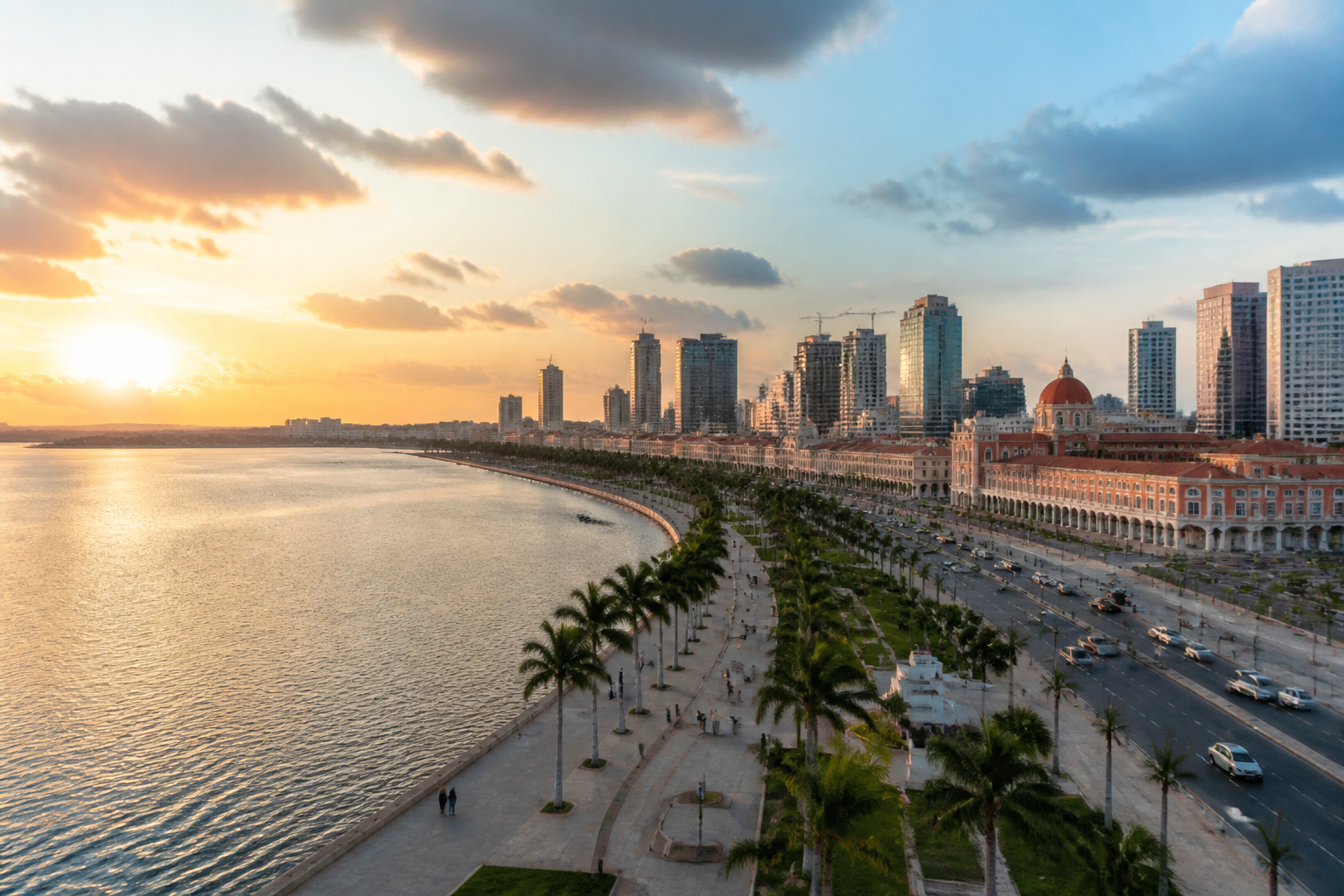
Luanda is lively, noisy, coastal, and full of contrasts. Modern towers rise behind crowded streets, while fishermen pull boats onto the sand and grilled chicken smoke drifts through neighborhood markets. People were generally warm and curious when I traveled, though daily life moves at its own pace.
The best time depends on where you want to go:
– **May to October:** Usually the driest and most comfortable period, especially around Luanda, Namibe, and the southern coast.
– **November to April:** The rainy season. Showers can be heavy inland, but the country remains green and beautiful.
– **June to August:** Cooler in the highlands around Lubango, with pleasant days and chilly evenings.
– **Luanda:** Warm most of the year, though humidity can be noticeable near the coast.
Angola feels especially interesting right now because tourism is growing without yet feeling heavily packaged. More visitors are discovering the country, but you can still spend a morning at a viewpoint or beach with very few other travelers around.
## Must-See Spots: My Top Picks
### 1. Luanda’s Marginal and Ilha do Cabo
Start in Luanda along the **Marginal**, the broad waterfront promenade facing the bay. Early evening is my favorite time, when families come out for a walk and the skyline begins to glow.
From there, head toward **Ilha do Cabo**, a narrow peninsula with beach restaurants, casual bars, and seafood spots. It is not the quietest beach escape, but it gives you a good feel for Luanda’s social life. Order grilled fish or prawns, and don’t rush the meal—service can be slow, especially when the restaurant is busy.
For a calmer atmosphere, go earlier in the day and walk beyond the main restaurant stretch. Keep your phone and camera discreet in crowded areas, and use a trusted driver after dark.
### 2. Fortaleza de São Miguel
The old **Fortaleza de São Miguel** sits above Luanda and offers one of the best views across the city and harbor. The fort itself is a useful introduction to Angola’s Portuguese colonial history, with tiled panels, old cannons, and wide stone courtyards.
I liked coming here before visiting the newer parts of Luanda because the layers of the city become easier to understand. You can see the port, modern high-rises, and dense residential neighborhoods from the same viewpoint.
Go in the morning or late afternoon to avoid the strongest heat. Arrange transport in advance rather than relying on finding a ride outside the fort.
### 3. Miradouro da Lua
About an hour south of Luanda, depending on traffic, **Miradouro da Lua** looks like a strip of another planet. Wind and rain have carved the orange and yellow cliffs into sharp ridges overlooking the Atlantic.
The viewpoint is simple, but the scenery is powerful—especially near sunset, when the cliffs turn copper-colored. Bring water, sunglasses, and shoes with decent grip. There is little shade, and the edges can be uneven.
Many visitors combine this with a stop at **Mussulo** or a beach restaurant, but I would leave plenty of time for traffic. Luanda’s roads can turn a short trip into a long one.
### 4. Lubango, Tundavala, and Serra da Leba
If you have time to travel beyond the capital, Lubango was one of my favorite parts of Angola. The city sits in the highlands, where the air is cooler and the landscapes feel completely different from Luanda.
The highlight is **Tundavala Gap**, a huge escarpment with views across the plains. Go in the late afternoon if the weather is clear. The drop is dramatic, and the wind can be strong, so stay well back from the edge.
Nearby **Serra da Leba** is known for its winding mountain road and sweeping viewpoints. The drive is part of the experience, but a local driver is a good idea. Roads and weather conditions can change quickly, and public transport will not get you easily to the best viewpoints.
If you have several extra days, consider **Iona National Park** or **Kissama National Park**, but plan carefully. Angola is enormous, and overland travel takes longer than the map suggests.
## Practical Travel Advice
### Getting There and Visa
Most international visitors fly into **Dr. António Agostinho Neto International Airport in Luanda**. Connections commonly come through Lisbon, Johannesburg, Addis Ababa, Windhoek, or other regional hubs, depending on the season and airline.
For the visa:
– Check Angola’s official immigration or embassy website before booking.
– Many travelers need an **e-visa or tourist visa**, while some nationalities have visa-free access or simplified entry.
– Your passport should generally have at least six months’ validity and spare pages.
– You may be asked for proof of accommodation, onward or return travel, and evidence of sufficient funds.
– A yellow fever certificate can be required, particularly if you are arriving from or have recently visited a country with yellow fever risk.
Visa rules change, so don’t rely on an old blog post or an airline forum. Print your hotel booking, flight details, and visa approval before leaving home. Airport staff may ask for documents even when the process has already been completed online.
### Where to Stay
**Marginal and central Luanda:** Best for first-time visitors who want restaurants, waterfront walks, and easier access to business districts. Hotels here can be expensive.
**Ilha do Cabo:** A good choice if you prefer seafood restaurants, nightlife, and being near the beach. It can be noisy at weekends.
**Talatona:** Modern, quieter, and popular with business travelers. It has newer hotels and shopping centers, but it is less convenient for exploring old Luanda.
**Lubango center:** Practical for travelers visiting Tundavala and Serra da Leba. Choose a hotel with reliable power, air conditioning or heating, and help arranging a driver.
Outside the main cities, accommodation can be basic. I would book ahead, especially during holidays and major events.
### Getting Around
Luanda is not especially walkable because of traffic, heat, and long distances between neighborhoods. The waterfront and parts of Ilha are pleasant on foot, but use a car for most sightseeing.
– **Yango and local ride-hailing services** may operate in Luanda, but availability can vary.
– Hotel-arranged cars are more expensive but often easier for airport transfers and day trips.
– Traditional taxis and shared minibuses, known locally as **candongueiros**, are cheap but can be confusing for visitors and crowded.
– For trips outside Luanda, hire a driver through your hotel or a reputable local operator.
– Domestic flights can save a great deal of time when traveling to places such as Lubango or Namibe.
Traffic in Luanda is a serious factor. A journey that looks short on a map may take over an hour during busy periods. Leave early for the airport and avoid scheduling several attractions across opposite sides of the city in one day.
## Real Costs and Local Tips
Angola uses the **Angolan kwanza (AOA)**. Prices in Luanda can be surprisingly high, particularly for hotels, imported food, and international restaurants. Smaller towns and local eateries are cheaper, though standards vary.
### Approximate daily budgets
**Budget traveler: US$45–70 per day**
– Simple guesthouse or basic hotel
– Local meals and inexpensive restaurants
– Shared transport or occasional ride-hailing
– Mostly self-guided sightseeing
**Mid-range traveler: US$100–180 per day**
– Comfortable hotel
– Restaurant meals and a few drinks
– Private rides or a driver for day trips
– Entrance fees and organized excursions
These figures exclude international flights and can rise sharply if you book a private 4×4, stay in an upscale Luanda hotel, or travel into remote parks.
Cards are accepted at larger hotels, supermarkets, and some restaurants, but cash is still essential. Carry small notes for taxis, markets, snacks, and entrance fees. Exchange money through legitimate banks or licensed exchange offices, and avoid informal street exchanges.
Tipping is appreciated but not rigidly standardized. At restaurants, around **5–10%** is reasonable when service has been good. Small tips for hotel staff, guides, and drivers are welcome.
### A few things that made travel easier
– **Carry backup cash.** ATMs can run out of money or reject foreign cards, especially outside Luanda.
– **Eat where local workers eat.** Busy neighborhood restaurants usually offer better value than hotel dining rooms.
– **Bring Portuguese phrases.** Even a few words—*bom dia*, *obrigado*, *quanto custa?*—make daily interactions much smoother.
– **Don’t photograph people, police buildings, ports, or government facilities without permission.** Ask first, particularly in busy city areas.
– **Book longer road journeys with a local driver.** Distances, road conditions, and fuel stops are not always obvious from online maps.
– **Keep plans flexible.** Weather, traffic, delayed flights, and slow restaurant service are all part of traveling here.
Angola is not a destination I would choose for a tightly packed, checklist-style holiday. It suits travelers who are happy to slow down, ask questions, and accept that some plans may change. In return, you get wide-open landscapes, a fascinating history, excellent seafood, and the rare feeling of seeing a country before mass tourism has smoothed away its rough edges.
KEYWORDS: Angola coastline