
# Chicago Right Now: Great Food, Big Views, and the Best Ways to Enjoy the City
Chicago has been having a big tourism moment, with record visitor numbers and a place among the top U.S. destinations highlighted by *The Business Journals*. After spending time there, I understand the appeal. The city gives you grand architecture, an easygoing neighborhood feel, serious food, lake views, and enough personality to keep a long weekend from feeling rushed.
## The Vibe & When to Go
Chicago feels bold without being showy. Downtown is full of towering buildings and busy sidewalks, but a short train ride can take you to quiet residential streets, corner bars, independent bookstores, and restaurants where people clearly know one another.
The best time to visit is usually **late May through September**, when the lakefront paths are lively, patios are open, and the city’s parks are in full use. Summer can be hot and humid, though, and hotel prices climb around major festivals, concerts, and sports events.
**Spring and fall** are my favorite compromises. The weather is changeable—bring layers—but the streets feel less crowded. Winter has its own charm, especially around the holidays, but the wind off Lake Michigan is no joke. A sunny 45°F day can feel much colder than you expect.
## Must-See Spots: My Top Picks
### 1. Walk the Riverwalk, Then Look Up
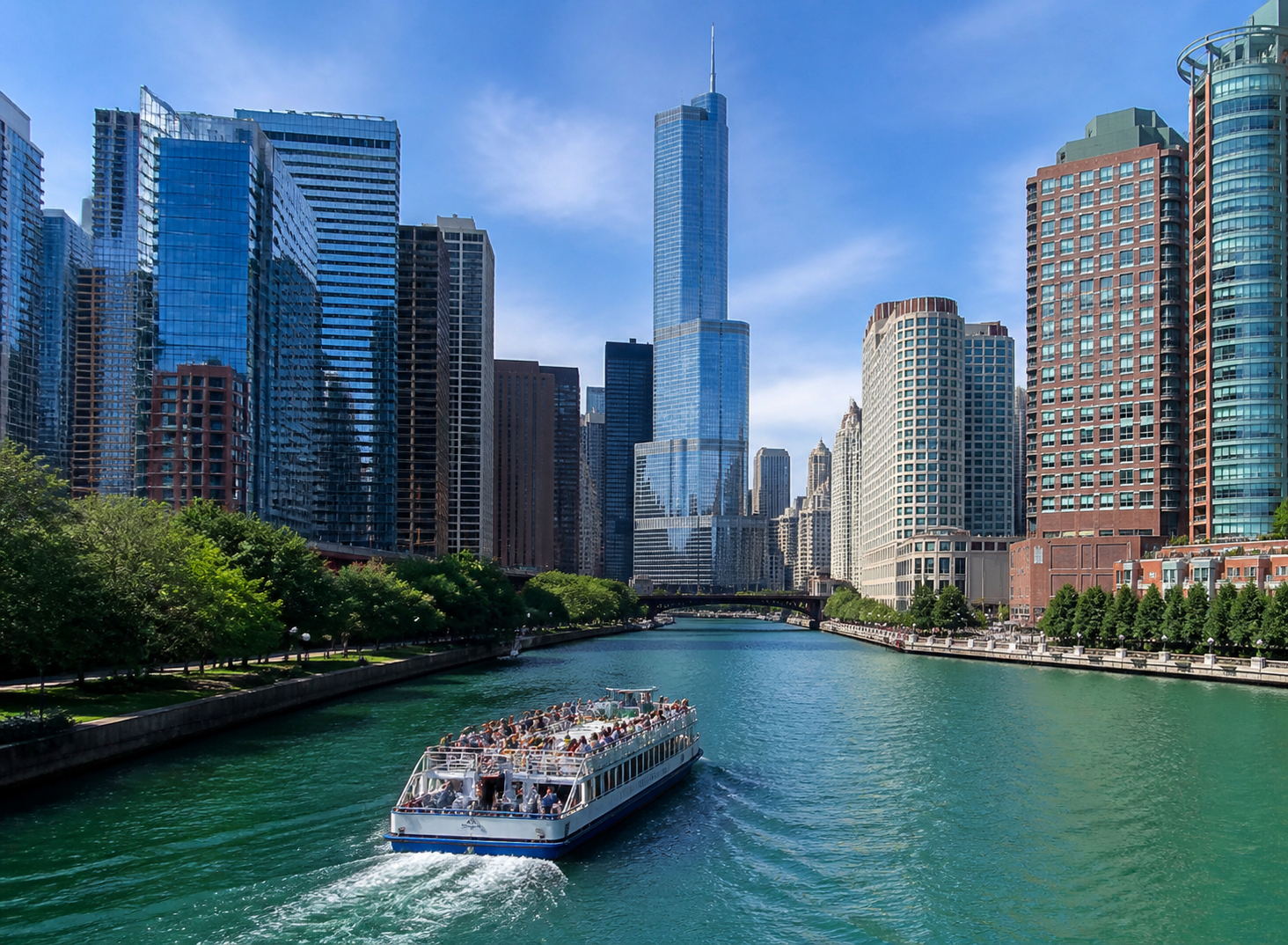
The Chicago Riverwalk is an easy first stop because it gives you a quick introduction to the city’s architecture, restaurants, and water views. I like going in the morning, before the boats and outdoor tables become busy.
For a better view of the famous buildings, take an architecture river cruise. It is touristy, but in this case the hype is deserved. The guides usually bring the buildings to life with stories about old Chicago, ambitious architects, and the city’s rebuilding after the Great Chicago Fire.
**Small tip:** If you don’t want to pay for a cruise, walk along the river and cross the bridges around Wacker Drive. You can still get excellent photos from street level.
### 2. Spend an Hour at the Art Institute
The Art Institute of Chicago can easily fill half a day, but I prefer visiting with a short list in mind rather than trying to see everything. The Impressionist rooms are the obvious draw, while the Thorne Miniature Rooms and American Gothic are personal favorites.
Afterward, walk through Millennium Park to see Cloud Gate—the famous reflective sculpture locals call “the Bean”—then continue toward the lake. The park is busiest in the afternoon, so an early visit makes for better photos and fewer people in the background.
### 3. Take the Lakefront Trail to a Different Side of Chicago
The lakefront is one of the city’s greatest gifts. You can walk, rent a bike, or simply sit near the water and watch the skyline rise behind you.
I especially like the stretch between **Lincoln Park and North Avenue Beach**. It feels more relaxed than downtown, with runners, families, volleyball games, and people enjoying the breeze. For a quieter outing, head farther north toward Montrose Harbor. The skyline is still visible, but the mood is calmer.
Bring water and sunscreen. There are stretches where cafés and shops are not immediately nearby.
### 4. Eat Your Way Through a Neighborhood
Chicago’s food scene is much broader than deep-dish pizza, although a good deep dish is still part of the experience. I usually choose one classic meal, then spend the rest of the trip exploring neighborhood food.
– **West Loop:** Excellent restaurants, cocktail bars, and busy weekend energy
– **Pilsen:** Mexican food, colorful murals, galleries, and a more local feel
– **Chinatown:** Dim sum, noodles, bakeries, and shops worth browsing after lunch
– **Wicker Park and Logan Square:** Coffee, casual restaurants, music venues, and independent shops
For deep dish, expect a longer wait than with ordinary pizza because the crust and fillings take time to cook. If you want something quicker, try a Chicago tavern-style pizza instead—the thin, crisp, square-cut version many locals order regularly.
## Practical Travel Advice
### Getting There & Visa
Most visitors arrive through **O’Hare International Airport**, which has the widest range of domestic and international flights. **Midway Airport** is smaller and often convenient for domestic trips, especially if you are staying near the Loop or South Side.
For entry into the United States:
– Travelers from Visa Waiver Program countries generally need an approved **ESTA** before boarding.
– Visitors from countries outside that program usually need a U.S. visitor visa.
– Canadian and Mexican travelers should check the rules that apply to their nationality and travel plans.
– Your passport should meet U.S. validity requirements, and airlines may ask for proof of onward travel or accommodation.
Apply early, especially during summer or around major events. Flight prices often improve when you compare both Chicago airports and check nearby departure cities. For international flights, booking several weeks or months ahead is safer than waiting for a last-minute deal.
### Where to Stay
**The Loop:** Best for first-time visitors who want to be close to Millennium Park, museums, the river, and major attractions. It can feel quiet at night in some areas.
**River North:** Handy for restaurants, nightlife, and architecture tours. It is central but usually more expensive.
**West Loop:** A strong choice for food lovers. Hotels here put you near some of the city’s best restaurants, though the area has a polished, busy feel.
**Lincoln Park:** Good for families, green spaces, cafés, and a neighborhood atmosphere. It is farther from some downtown sights but easy to reach by train.
**Wicker Park or Logan Square:** Better for travelers who prefer bars, music, vintage shops, and local restaurants over a traditional sightseeing base.
### Getting Around
Chicago is one of the easier large U.S. cities to explore without renting a car.
– Use the **CTA “L” trains** and buses for most trips. A Ventra card or contactless bank card makes payment simple.
– Downtown is very walkable, especially between the Riverwalk, Millennium Park, the Art Institute, and the lakefront.
– Use Uber or Lyft late at night, during heavy rain, or when traveling with luggage.
– Avoid renting a car unless you plan to leave the city. Parking is expensive, traffic can be frustrating, and public transportation is usually more practical.
– From O’Hare, the Blue Line is often the cheapest way downtown. From Midway, use the Orange Line.
## Real Costs & Local Tips
Chicago uses the **U.S. dollar**. Prices below are per person and assume you are sharing accommodation costs when possible.
### Budget travel: about $90–$150 per day
– Hostel or basic shared room: $40–$80
– Casual meals: $25–$45
– Public transit: around $5–$10
– One inexpensive attraction or museum: $15–$35
– Occasional coffee or snack: $5–$10
### Mid-range travel: about $190–$325 per day
– Comfortable hotel share: $120–$220
– Restaurant meals: $60–$100
– Transit plus one or two rideshares: $15–$35
– Paid attractions or a river cruise: $30–$70
– Drinks, dessert, or extra shopping: $20–$40
Restaurant bills usually do **not** include a tip. Around **18–22%** is standard for good table service. For bartenders, $1–$2 per drink is common, or around 18–20% for a larger tab. Check the bill for a service charge before adding anything.
### A few ways to save money
– **Use free museum days** if your schedule is flexible, but check each museum’s current calendar before you go.
– **Eat lunch instead of dinner** at popular restaurants. Portions are often generous, and lunch menus can be noticeably cheaper.
– **Buy groceries or breakfast near your hotel** rather than paying downtown prices every morning.
– **Skip the car.** The train, buses, and walking will usually save you a surprising amount.
– **Book architecture tours and popular restaurants ahead** during summer weekends. Waiting until the last minute can leave you with expensive times or no availability.
– **Look beyond Navy Pier for lake views.** The lakefront parks are free, less commercial, and often more enjoyable for a relaxed afternoon.
Chicago’s record tourism year makes sense once you spend a few days there. The city offers the scale of a major American destination without losing its neighborhood character. You can admire famous buildings in the morning, eat tacos or noodles for lunch, catch a baseball game in the afternoon, and finish the day beside the lake. That mix is what keeps bringing people back—and what made me want to stay a little longer.
KEYWORDS: Chicago skyline