
# Exploring Vermont: Maple Days, Mountain Roads, and Honest Travel Tips
## The Vibe & When to Go
Vermont has a slower rhythm that takes a day or two to settle into. Roads curl through forests and small towns, church steeples rise above white clapboard buildings, and even a quick coffee stop can turn into a friendly conversation with someone behind the counter.
The state feels especially inspired right now. Visitors are still drawn to its mountains, food scene, craft drinks, covered bridges, and year-round outdoor life. But Vermont’s tourism outlook can be affected by things travelers cannot control: unpredictable snowfall, heavy rain or flooding, rising hotel and restaurant prices, fuel costs, and changing travel budgets. I found that the best approach is to plan with a little flexibility rather than build the whole trip around one perfect weather forecast.
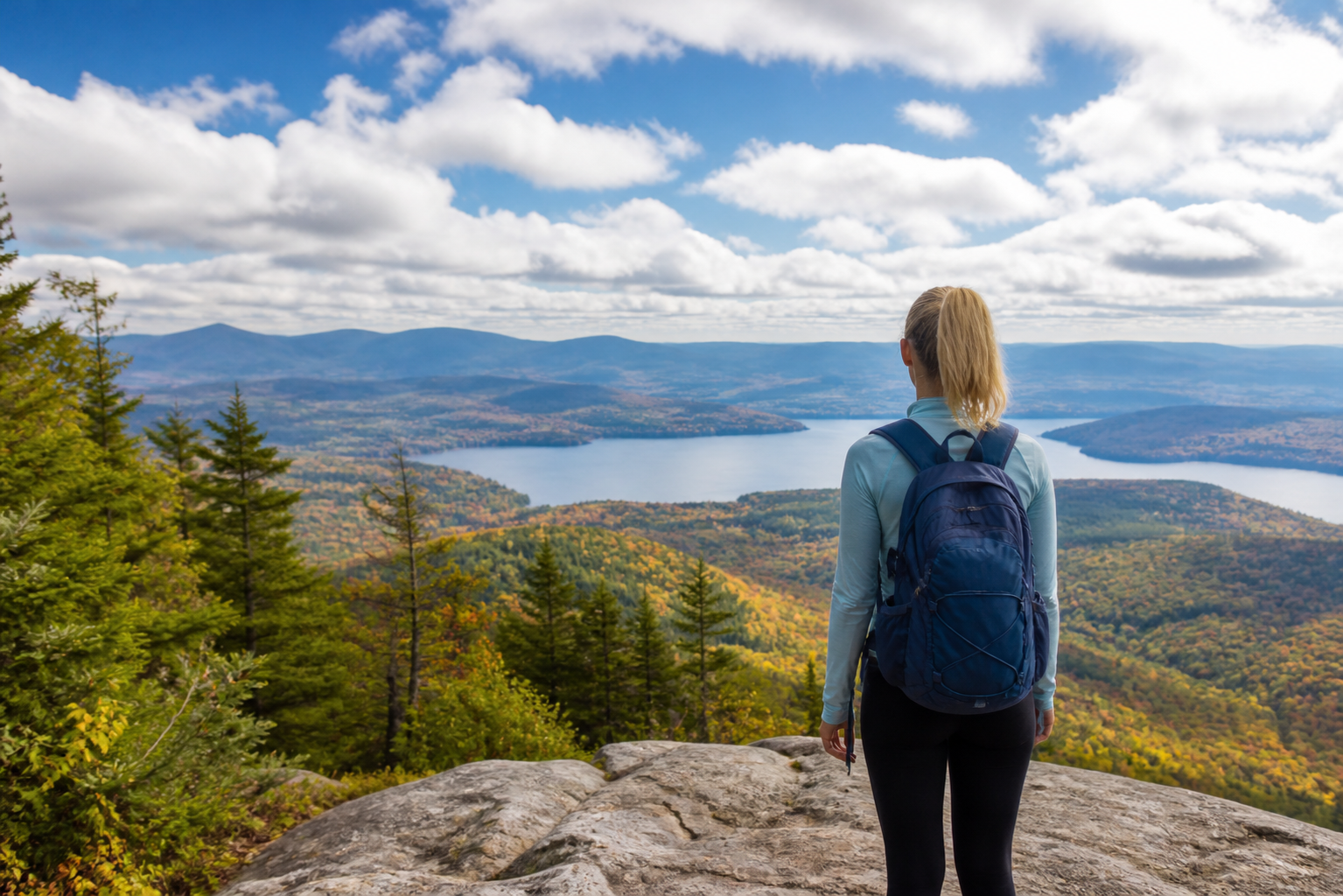
**Late September through October** is gorgeous for fall color, though rooms fill quickly and prices climb. **January through March** suits skiing, snowshoeing, and cozy weekends by the fire. **March and April** bring maple season, muddy trails, and quieter roads. Summer is ideal for lakes, cycling, swimming holes, and farmers’ markets, but popular towns can feel surprisingly busy on weekends.
If you want pleasant weather and fewer crowds, I’d choose **late May, June, or early September**. Bring layers. Vermont weather can change its mind several times in one afternoon.
## Must-See Spots: My Top Picks
### 1. Burlington and the Waterfront
Burlington is a great starting point because it gives you both city comforts and a strong sense of place. I like walking along Church Street Marketplace, then heading toward the Lake Champlain waterfront before sunset. The views across the lake toward the Adirondacks can be beautiful, especially when the sky turns pink over the water.
For a quieter moment, stroll the Burlington Bike Path near the waterfront. You can rent a bicycle, but walking is just as enjoyable. Grab a coffee or pastry from a local café rather than rushing straight to the biggest attractions.
**Practical tip:** Burlington accommodation can become expensive during summer weekends and university events. Staying a few minutes outside downtown, such as in South Burlington or Winooski, often gives you better value.
### 2. Stowe and the Mountain Roads
Stowe is polished but still pleasant, with mountain views, independent shops, breweries, and plenty of places to warm up after a hike. The road toward Smugglers’ Notch is one of my favorite drives in the state, although it is narrow and may close during winter or poor weather.
You do not need to ski to enjoy Stowe. Try a short forest walk, visit a local brewery, or take the gondola if the conditions are clear. In autumn, arrive early in the morning if you want to photograph the mountain roads without a line of cars behind you.
**My favorite kind of Stowe day:** coffee, a moderate hike, a relaxed lunch, and an unhurried drive through the surrounding countryside.
### 3. Woodstock and Quechee Gorge
Woodstock has the storybook appearance many people expect from Vermont, but it feels more genuine when you wander beyond the central green. Browse the independent shops, cross the covered bridge, and take a drive through the nearby back roads.
Quechee Gorge is a short distance away and makes an easy stop. The viewpoint gives you an impressive look at the gorge, while the surrounding trails let you stretch your legs. It can get crowded in peak foliage season, so I prefer visiting early or near the end of the day.
Bring a picnic from a local market if you can. Restaurant prices in the most popular towns can add up quickly, and eating outdoors makes the day feel more relaxed.
### 4. The Northeast Kingdom
For a quieter, less polished side of Vermont, head toward the Northeast Kingdom. The region around St. Johnsbury, Burke, and Lake Willoughby has fewer crowds, long scenic drives, and a wilder feeling than the more famous resort towns.
Lake Willoughby is particularly beautiful, with steep hills rising around the water. In summer, you can swim or kayak; in autumn, the road around the lake becomes a memorable foliage drive. Cell service can be patchy, so download maps before leaving town.
This is the part of Vermont I recommend to travelers who want space, quiet mornings, and small local diners rather than a packed itinerary.
## Practical Travel Advice
### Getting There and Visa
Vermont does not have separate entry requirements from the rest of the United States.
– Travelers from visa-waiver countries generally need an approved **ESTA** before flying to the United States.
– Other international visitors may need a **U.S. visitor visa**.
– Your passport should meet the U.S. entry requirements for your nationality.
– Check the official U.S. government travel site before booking, since entry rules can change.
The easiest airports are often **Burlington International Airport**, **Albany International Airport in New York**, and **Manchester-Boston Regional Airport**. Burlington is convenient for northern and central Vermont, while Albany can work well for southern Vermont. Compare all three before buying a ticket; fares and flight schedules vary widely.
There are not always many direct flights into Vermont, so flying into a larger nearby airport and renting a car may be cheaper. If you are traveling during leaf season or ski season, book the rental car early.
### Where to Stay
– **Burlington:** Best for restaurants, cafés, lake views, nightlife, and travelers who want a walkable base.
– **Stowe:** A good fit for skiing, hiking, mountain scenery, and resort comforts.
– **Woodstock:** Charming and central for historic villages, covered bridges, and gentle countryside drives.
– **Killington:** Better for skiing, larger resorts, and a livelier winter atmosphere.
– **Northeast Kingdom:** Best for quiet cabins, lakes, stargazing, and fewer visitors.
– **Southern Vermont:** Towns such as Manchester and Brattleboro offer good access to hiking, antiques, arts, and New England villages.
I usually prefer a small inn or guesthouse over a large resort. You often get better local recommendations, and breakfast can make a real difference to the daily budget.
### Getting Around
A car is the most practical way to see Vermont. Public transportation is limited once you leave Burlington and the larger towns, and many scenic places are spread far apart.
Burlington is easy to explore on foot, with local buses serving nearby areas. In other towns, you may find taxis or rideshare services, but do not assume a car will arrive quickly in rural areas. Download offline maps, keep the fuel tank reasonably full, and avoid relying on phone service in remote corners.
In winter, check road conditions before driving through mountain passes. Some roads are narrow, steep, or closed seasonally. Allow extra time; Vermont’s prettiest routes are rarely the fastest ones.
## Real Costs and Local Tips
Vermont uses the **U.S. dollar**. Credit and debit cards are accepted almost everywhere, but I still carry a little cash for farm stands, small cafés, and roadside markets.
### Approximate Daily Budgets
**Budget traveler: $90–$140 per person**
– Shared room, basic motel, or simple guesthouse: $50–$85
– Casual meals, groceries, and coffee: $25–$40
– Fuel, local transport, or low-cost activities: $15–$30
**Mid-range traveler: $190–$320 per person**
– Comfortable inn or hotel, sharing a room: $110–$190
– Restaurants and drinks: $55–$90
– Fuel, parking, and paid attractions: $25–$40
Prices rise sharply during ski season, foliage season, holiday weekends, and major local events. A room that feels reasonably priced on a Tuesday can cost much more by Friday.
Tipping is customary in the United States. I generally leave **18–22%** at restaurants when service is good. Tip bartenders around $1–$2 per drink, and give hotel housekeeping a few dollars per night if the service has been helpful.
### A Few Ways to Save
– **Travel midweek:** Sunday through Thursday is often much cheaper than a weekend, especially in Stowe and Woodstock.
– **Buy breakfast supplies:** A bagel, fruit, and coffee from a local market can save you from spending $20 or more each morning.
– **Use farm stands wisely:** They can be excellent for snacks, picnic food, and maple products, but prices vary. Check a couple of places before buying a large haul.
– **Book cancellable rooms early:** This gives you a better chance at a decent price while keeping some flexibility if the forecast changes.
– **Look beyond the famous towns:** Staying 15–30 minutes away can cut accommodation costs considerably without losing access to the main sights.
– **Ask about weather policies:** If a gondola, boat tour, or outdoor attraction closes because of bad conditions, find out in advance whether you can reschedule or receive a refund.
Vermont rewards travelers who leave room for small discoveries: a bakery sign on a quiet main street, a roadside cheese stand, or a lake that was not even on the original map. The state has plenty of reasons to feel hopeful about tourism, but its best experiences do not require a luxury budget or a packed schedule. Give yourself time, watch the weather, and let the back roads do some of the work.
KEYWORDS: Vermont mountains, Vermont fall foliage