
# Nigeria in Full Color: Lagos Energy, Abuja Calm, and the Travel Tips I Wish I’d Had
Nigeria arrived at the World Travel Market with bright fabrics, bold music, rich food, and stories far bigger than the usual headlines. Watching the country present itself on the international stage, I kept thinking about how much travelers are missing.
The question is fair: **where are the international tourists?**
Nigeria has plenty to offer, but visiting still takes a little more planning than a typical holiday. Flights can be expensive, visa information is not always easy to follow, and many people remain unsure about getting around safely. Once you understand those rough edges, though, the country becomes far more approachable—and wonderfully alive.
## The Vibe & When to Go
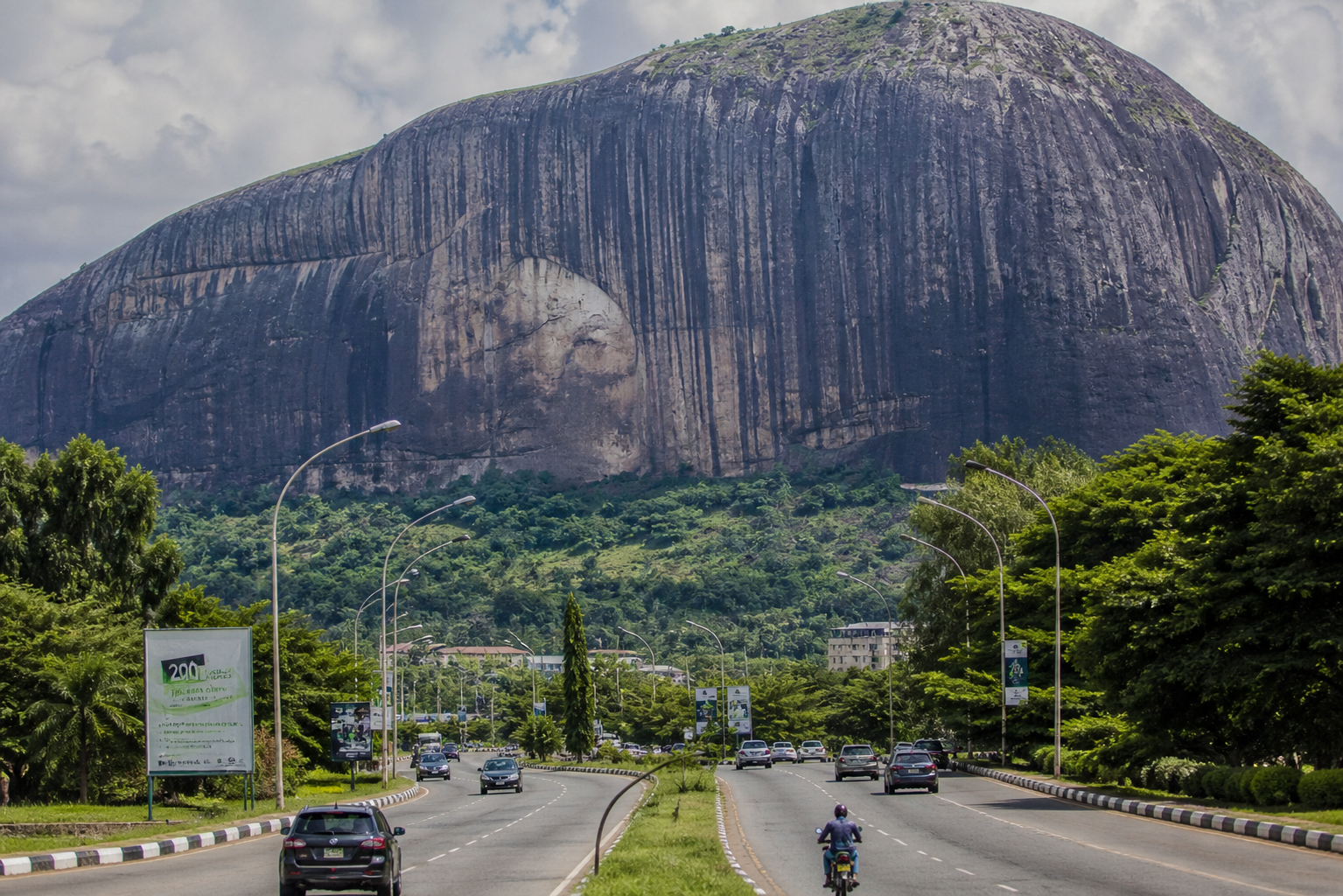
Nigeria feels busy, expressive, funny, creative, and completely unafraid of volume. Lagos moves at a fast pace, with traffic, music, street food, galleries, beach clubs, and conversations happening all around you. Abuja feels more spacious and orderly, with wide roads, green hills, and a slower rhythm.
The **dry season, roughly November to March**, is usually the easiest time for a first visit. Days are warm and often sunny, although the harmattan can bring dusty skies and hazy views between December and February. The **rainy season, from around April to October**, can be hot and humid, with sudden heavy showers. Travel is still possible then, but allow extra time for traffic and flooded roads in parts of Lagos.
I especially like the cooler mornings during the dry season. They are perfect for markets, walking tours, and long breakfasts before the afternoon heat arrives.
## Must-See Spots: My Top Picks
### 1. Lagos Island, Lekki, and the city’s creative side
Lagos is not a city you simply look at from a hotel window. You have to give it time.
Start around **Lagos Island** and visit the National Museum if you want context before exploring further. I also enjoy walking through the older areas around Marina and nearby markets, though I usually go with a local guide and avoid carrying expensive cameras openly.
For a calmer, more polished side of the city, head toward **Lekki and Victoria Island**. You will find restaurants, independent fashion labels, art spaces, and cafés filled with young Nigerians working in music, film, design, and technology. The Nike Art Gallery in Lekki is an easy introduction to local art, but do not rush through it. Give yourself time to look closely at the textiles, sculpture, and paintings.
**My advice:** Lagos traffic can turn a short journey into a two-hour one. Group nearby activities together rather than trying to cross the city several times in one day.
### 2. Lekki Conservation Centre
The raised canopy walkway at **Lekki Conservation Centre** offers a welcome break from the city’s concrete and traffic. The forest is home to monkeys and plenty of birdlife, and the walk feels surprisingly quiet considering how close you are to one of Africa’s busiest cities.
Go early, before the heat becomes intense. Wear comfortable shoes, bring water, and do not expect a polished theme-park experience. That is part of its charm. Conditions can be basic, and the walkway may feel a little adventurous in places.
### 3. Abuja’s hills, markets, and slower pace
Abuja is often treated as just Nigeria’s political capital, but I found it much easier to settle into than Lagos. The roads are wider, the city is less frantic, and the surrounding hills give it a striking backdrop.
Visit **Aso Rock viewpoints**, explore the **Arts and Crafts Village**, and spend some time around **Wuse Market**. The market is lively and practical rather than designed for tourists, so prices and quality vary. I prefer to browse first, ask about several items, and negotiate politely instead of buying from the first stall.
If you have an extra day, take a short trip outside the city to see **Gurara Falls**. Water levels change through the year, and the falls may be less dramatic in the dry season, but the drive offers a different view of the landscape around Abuja.
### 4. Calabar for history, food, and a gentler rhythm
For a different side of Nigeria, consider **Calabar** in Cross River State. The city has a more relaxed atmosphere, strong food traditions, and a connection to Nigeria’s colonial and coastal history. The **Slave History Museum** is a difficult but important visit, and it helps place the region’s past in a human context.
Calabar is also a good base for nature trips toward **Cross River National Park**, although these require more planning than a city weekend. If you are hoping for wildlife or rainforest experiences, use a reputable local operator and confirm transport, permits, and accommodation before leaving.
## Practical Travel Advice
### Getting There and Visa
Most international visitors need a visa or electronic travel authorization before arriving in Nigeria. Requirements depend on your passport, so check the official **Nigeria Immigration Service** website or the Nigerian embassy in your country before booking non-refundable plans.
In general, you should expect to need:
– A passport with at least six months of validity
– A completed online application
– A passport photograph and travel details
– Proof of accommodation or an invitation, depending on the visa type
– Evidence of onward travel or sufficient funds in some cases
– A yellow fever vaccination certificate if required for your route or nationality
Apply early. Processing times and online systems can be unpredictable, and unofficial visa agents may charge far more than necessary.
The main international gateways are **Murtala Muhammed International Airport in Lagos** and **Nnamdi Azikiwe International Airport in Abuja**. Compare routes through London, Istanbul, Doha, Dubai, Addis Ababa, and Casablanca. A slightly longer itinerary can sometimes save a surprising amount of money.
Airport transfers should be arranged ahead of time, especially if you arrive late at night.
### Where to Stay
**Lagos**
– **Victoria Island:** Convenient for restaurants, business areas, galleries, and nightlife. Hotels tend to be pricier.
– **Ikoyi:** Quieter and more residential, with comfortable hotels and restaurants.
– **Lekki:** Good for art, cafés, newer apartments, and a younger atmosphere. Traffic can be frustrating.
– **Yaba:** Interesting for a more local, creative feel, though accommodation choices are less consistent.
**Abuja**
– **Maitama:** Quiet, central, and generally more upscale.
– **Wuse:** Better for restaurants, shopping, and a busier city feel.
– **Garki:** Practical and well connected, with a wide range of hotels.
Choose a hotel with reliable backup power, air conditioning, good security, and recent reviews. Power cuts are still a reality in many parts of the country, so a generator or inverter is not a luxury—it can make your stay much more comfortable.
### Getting Around
Lagos and Abuja are not especially walkable for long sightseeing days. Heat, distance, traffic, and busy roads make short taxi rides more sensible than trying to walk everywhere.
– **Bolt and Uber** operate in major cities, though availability can vary.
– Use the app to confirm the driver, car, and fare before getting in.
– In Lagos, the **BRT buses** can be useful on certain routes, but they are not a complete solution for visitors.
– Local taxis are available, but agree on the fare before the ride.
– Avoid driving yourself in Lagos unless you are very comfortable with dense traffic and unpredictable road behavior.
– Leave early for airport journeys. Traffic can change dramatically within minutes.
For day trips, I would rather hire a trusted driver than piece together several local rides. It costs more, but it saves time and reduces stress.
## Real Costs and Local Tips
Nigeria’s prices change quickly, especially because of currency fluctuations, so treat these as rough planning figures rather than fixed rates.
### Approximate daily budgets
**Budget traveler: US$35–60 per day**
– Simple guesthouse or budget room
– Local meals and casual restaurants
– App-based rides shared where possible
– Free or low-cost attractions
**Mid-range traveler: US$100–180 per day**
– Comfortable hotel in Lagos or Abuja
– A mix of restaurants and local food
– Several rides each day
– Museum visits, guides, and an occasional day trip
International-style hotels, private drivers, and high-end restaurants can push the daily total well above this.
The local currency is the **Nigerian naira (NGN)**. Exchange rates can vary between official and informal markets, so use licensed exchange points or bank services and check the current rate before changing a large amount.
Cards are accepted in many hotels, restaurants, and shopping centers, but do not rely on them completely. Carry some naira in smaller notes for markets, snacks, short rides, and places with unreliable card machines.
Tipping is not compulsory, but a small tip is appreciated for good service. Around **5–10% in restaurants** is reasonable when a service charge has not already been added. For guides and drivers, agree on a fee in advance and tip according to the quality of the experience.
### A few things that made travel easier
– **Keep plans flexible.** Traffic, weather, power cuts, and delayed domestic flights can all change your day.
– **Ask your hotel where to exchange money.** Do not accept help from random people at the airport.
– **Eat where locals are eating.** Small restaurants serving jollof rice, suya, pounded yam, beans, and pepper soup are often better value than international hotel menus.
– **Do not photograph people, government buildings, airports, or security personnel without permission.** A quick ask avoids an uncomfortable situation.
– **Use a local guide for markets and historical sites.** A good guide adds context and helps with prices, transport, and cultural etiquette.
– **Pack light, breathable clothing and comfortable shoes.** You will appreciate both when the humidity rises and the pavements become uneven.
– **Check current travel advisories before visiting other regions.** Nigeria is enormous, and security conditions can differ sharply from one state to another.
Nigeria’s appearance at the World Travel Market showed the country’s confidence and creativity, but international visitors need more than colorful presentations. They need clear visa guidance, dependable transport, honest safety information, and easier ways to discover the country beyond Lagos and Abuja.
For travelers willing to plan carefully, Nigeria offers something rare: a trip that feels genuinely personal. You may arrive for the food, music, history, or wildlife, but you will probably remember the conversations, the laughter, and the sheer force of everyday life most of all.
KEYWORDS: Lagos Nigeria