
# Ta Xua Travel Guide: Cloud Hunting, Quiet Mountain Roads, and Honest Budget Tips
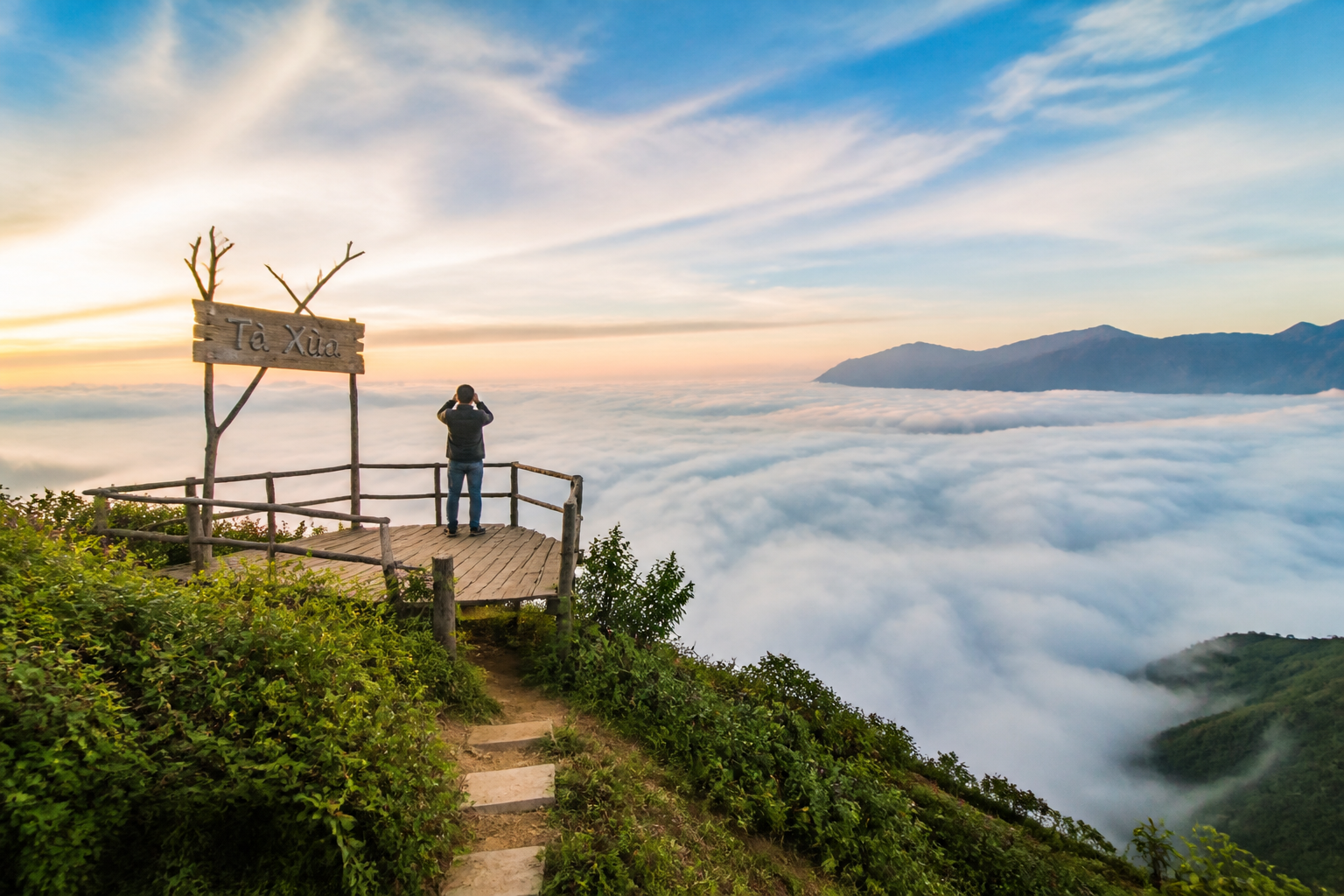
Ta Xua has been getting more attention since its recent tourism award, and I understand why. The recognition may bring better roads, more thoughtful homestays, and new opportunities for local families, but the place still feels wonderfully unpolished. You come here for high mountain air, drifting clouds, terraced hills, and evenings when the loudest sound is usually a dog barking somewhere down the valley.
I visited Ta Xua expecting a quick cloud-hunting trip and ended up slowing down almost immediately. The roads demand patience, the weather changes by the hour, and the best views are not always the ones marked on a map. That is part of the charm.
## The Vibe & When to Go
Ta Xua sits in Bac Yen District, Son La Province, around 230–250 kilometres from Hanoi. It is a mountain destination rather than a polished resort town. There are simple homestays, small family-run restaurants, winding roads, and plenty of viewpoints where you may have the whole landscape to yourself.
The famous “cloud sea” is most likely from **October to April**, particularly on cool mornings after a damp night. December through February can be very cold, especially before sunrise, with temperatures sometimes dropping close to 5°C in the hills. Bring proper layers; a thin jacket is not enough when you are standing on a windy ridge at 6 a.m.
From **May to September**, the air is warmer and rainier. The cloud views can still be beautiful, but heavy rain may make the mountain roads slippery. This period is also greener, and the rice terraces around nearby villages are especially attractive.
The best time for a short visit is usually **two or three days**, arriving before sunset and saving the early mornings for cloud hunting. Try to avoid major Vietnamese holidays if you want a quieter stay and a better chance of finding a room.
## Must-See Spots: My Top Picks
### 1. Ta Xua’s cloud-hunting viewpoints
The main reason most people come is the cloud sea. On a good morning, white mist gathers below the ridges like a slow-moving river, with darker mountain peaks appearing and disappearing above it.
Do not assume the busiest viewpoint will have the best view. I prefer arriving early, walking a little beyond the first cluster of cafés, and waiting quietly rather than chasing the perfect photograph. The clouds can vanish in ten minutes, so bring patience as well as a camera.
A local host can usually tell you which viewpoint is working best that day. Conditions change quickly, and a place that was completely covered in fog yesterday may be clear the next morning.
### 2. Dinosaur Spine
The narrow ridge known as Dinosaur Spine, or **Song Lung Khung Long**, is one of Ta Xua’s most memorable walks. The path follows a long, exposed ridge with steep drops on both sides and wide mountain views stretching into the distance.
It is not a technical hike, but it does require a steady head. Wear shoes with a good grip, especially after rain, and avoid standing too close to the edge for photos. Strong wind can make the ridge uncomfortable, and there is very little shade.
I found the walk more enjoyable before the crowds arrived. Go early, take water, and allow at least a couple of hours to enjoy the path without rushing.
### 3. The Hang Chu road
The road toward Hang Chu is rough in places but full of quiet mountain scenery. You pass green slopes, small villages, cornfields, and viewpoints that feel far removed from Hanoi’s noise.
This is a good route for travellers who want more than a sunrise photograph. Stop at local homes only when invited, and ask before taking pictures of people. Some families sell tea, fruit, or simple food along the way, and buying something is a friendly way to support them.
A motorbike is useful here, but only if you are comfortable riding on steep, uneven roads. In wet weather, hiring a local driver is a much better idea.
### 4. Xim Vang and the surrounding villages
Xim Vang offers a quieter side of the area, with mountain roads, rice terraces, and villages where daily life carries on at a slower pace. Depending on the season, the hills may be green with crops or golden with ripening rice.
I would not try to pack every viewpoint into one day. The pleasure here comes from stopping often: for tea, a roadside bowl of noodles, or a short walk through a village. The tourism award may bring more visitors, but respectful, low-key travel will help Ta Xua keep its character.
## Practical Travel Advice
### Getting There & Visa
The easiest route is to fly into **Hanoi**, then continue by road to Ta Xua.
– From Hanoi, buses to Bac Yen may take around five to seven hours depending on road and weather conditions.
– From Bac Yen, Ta Xua is another mountain drive, usually by local taxi, private car, motorbike, or arranged transfer.
– A private car is the most comfortable choice for two to four people.
– Shared buses are cheaper but may involve waiting for connections.
Vietnam offers online e-visas to citizens of many countries, generally for stays of up to 90 days with single or multiple entry options. Your passport should normally have at least six months of validity and blank pages. Rules can change, so check the official Vietnam immigration portal before booking flights. Ta Xua itself has no separate entry permit for ordinary visitors.
If you fly domestically within Vietnam, compare flights to Hanoi from Ho Chi Minh City, Da Nang, or other major cities. Early morning or late evening flights can be cheaper, but make sure you leave enough time for the long mountain transfer.
### Where to Stay
Most accommodation is around **Ta Xua commune and the main cloud-hunting area**.
– **Simple homestays:** Best for meeting local hosts, eating home-cooked meals, and getting advice about the weather. Expect basic rooms, shared bathrooms in some places, and thin walls.
– **Private mountain-view rooms:** A better choice if you want a little comfort and a balcony for sunrise.
– **Bac Yen town:** Practical for travellers arriving late or wanting more restaurants and shops, though it is less atmospheric than staying in the mountains.
– **Remote village stays:** Ideal for quiet travellers who do not mind limited mobile signal and fewer food choices.
Book ahead on weekends and during cloud-hunting season. Some small homestays are not listed on large booking websites, so asking a Vietnamese friend or contacting the property through Facebook or Zalo can open up more choices.
### Getting Around
Ta Xua is not a walkable destination in the usual sense. The viewpoints and villages are spread along mountain roads.
– **Motorbike:** Good for experienced riders and dry weather. Ask about brakes, tyres, fuel, and helmets before setting off.
– **Local driver:** The safest choice for wet conditions or if you are unfamiliar with mountain roads.
– **Private car:** Comfortable for groups, though some narrow roads may still require walking the final stretch.
– **Grab:** Grab is useful in Hanoi but generally not available once you reach Ta Xua. Do not rely on app-based rides there.
– **Walking:** Short walks around your homestay are lovely, but plan transport for major viewpoints.
Fill your fuel tank whenever you see a petrol station. Shops and fuel points become scarce once you leave the main road.
## Real Costs & Local Tips
Vietnamese currency is the **đồng (VND)**. Cash is still important in Ta Xua, especially for homestays, roadside food, and small shops.
### Typical daily budget
**Budget traveller: 450,000–700,000 VND per day**
– Homestay bed: 150,000–300,000 VND
– Local meals: 40,000–80,000 VND each
– Coffee or tea: 20,000–40,000 VND
– Shared transport: varies by route
– Motorbike rental: around 150,000–250,000 VND per day when available
**Mid-range traveller: 1,000,000–1,600,000 VND per day**
– Private room: 400,000–800,000 VND
– Three meals and drinks: 200,000–350,000 VND
– Local driver or shared sightseeing transport: depends on the group and route
– Extra for private transfers from Bac Yen or Hanoi
These figures do not include the full journey from Hanoi, which can add considerably if you hire a private car.
### Local tricks that make the trip easier
– **Withdraw cash in Hanoi or Bac Yen.** Do not assume your card will work in every mountain homestay.
– **Ask the host about cloud conditions before paying for a driver.** If the ridge is covered in heavy fog, you may prefer a village walk or a relaxed breakfast.
– **Bring snacks and water from Bac Yen.** Shops in Ta Xua have basics, but prices and selection are limited.
– **Agree on transport prices first.** Confirm whether fuel, waiting time, and return travel are included.
– **Do not bargain aggressively with family-run homestays or food stalls.** A small discount means much more to a traveller than to a local household trying to build a tourism business.
– **Carry a rain jacket, warm layer, and shoes with grip.** Mountain weather can change while you are still deciding what to order for breakfast.
– **Leave no plastic at viewpoints.** Ta Xua’s new popularity is bringing income, but it is also bringing more rubbish. Carry a small bag for your own waste.
The tourism award should help Ta Xua improve its roads, services, and local businesses. I hope development comes slowly enough to protect what makes the place special: the early-morning silence, the open ridges, and the feeling that the mountains still belong to the people who live there.
KEYWORDS: Ta Xua Vietnam