
# Traveling Europe More Thoughtfully: Favorite Stops, Greener Choices, and Real Budget Tips
## The Vibe & When to Go
Europe feels different when you travel with a little more time and a little less pressure to collect landmarks. One trip might take you from a lively Mediterranean square to a quiet Alpine village, with local trains, family-run cafés, and small museums filling the spaces between.
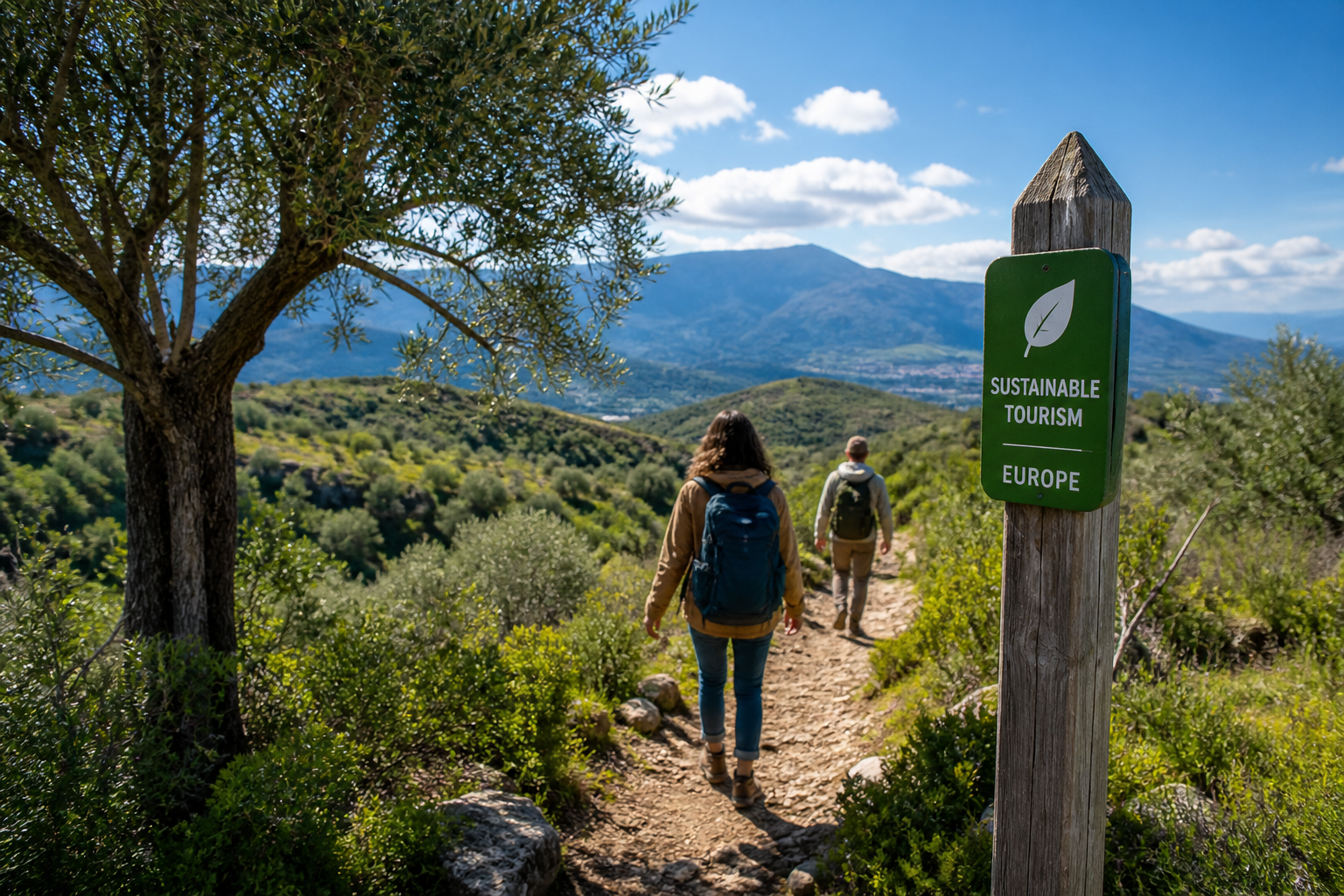
That slower style of travel is becoming more important as the European Commission pushes a sustainable tourism strategy focused on balancing visitor numbers with the health of local communities, nature, and the tourism industry itself. The goal is not to stop people from traveling. It is to spread visitors more evenly, support greener transport, prepare towns for climate risks, and help tourism recover when things go wrong.
At the moment, Europe is heading into its busiest travel period. Southern destinations can already feel warm and crowded, while northern cities tend to be cooler and more comfortable for long walks. Spring and early autumn are my favorite times to go: prices are usually kinder, public squares have more breathing room, and the weather is often easier for sightseeing.
Summer still has its place, especially for beaches and mountain trips, but I would book ahead and avoid arriving in the most popular cities on a weekend if you can help it.
## Must-See Spots: My Top Picks
### 1. Lisbon for walkable city life and nearby escapes
Lisbon is one of the easiest places to understand the appeal of traveling beyond the headline attractions. I love starting in Alfama early, before the streets fill with tour groups, then stopping for a strong coffee and a warm pastel de nata.
The city’s hills are real, so comfortable shoes matter. Rather than spending the entire day following tram routes, I usually walk between viewpoints and use public transport for the steepest sections. The ferry across the Tagus is a cheap way to see the skyline without paying for a sightseeing cruise.
For a quieter day, take the train to Cascais or visit smaller neighborhoods outside the historic center. Staying slightly away from Baixa can also help reduce pressure on the most crowded areas while giving you a more relaxed evening.
### 2. Ljubljana and Lake Bled for a gentler pace
Slovenia is one of my favorite choices for travelers who want nature without giving up city comforts. Ljubljana is compact, green, and easy to explore on foot. The riverfront cafés are lively, but a short walk toward Tivoli Park quickly gives you a calmer view of the city.
Lake Bled is beautiful, though the main viewpoint can become very busy. I prefer walking the full lakeside path early in the morning and then continuing to nearby villages rather than spending the whole day around the central promenade. If you have time, Lake Bohinj feels less polished and more peaceful.
Trains and buses make this region manageable without a car, which is helpful for both your budget and the environment.
### 3. Copenhagen for practical green travel
Copenhagen shows how a city can make sustainable choices feel normal rather than restrictive. Cycling is part of everyday life, and the metro, buses, and harbor boats are clean and easy to use.
I enjoy wandering through Nørrebro for independent shops and casual food, then crossing to the harbor for a swim when the weather allows. The city is expensive, but you can soften the cost with bakeries, supermarkets, public parks, and inexpensive lunch spots.
Renting a bike is useful, but only if you are comfortable riding in traffic. Copenhagen cyclists move quickly, and the bike lanes are not the place for hesitant sightseeing.
### 4. The Italian Dolomites beyond the famous viewpoints
The Dolomites are stunning, but some of the most photographed roads and trails now struggle with heavy visitor numbers. I had a better experience choosing one base for several nights instead of driving every day from town to town.
Stay in a smaller village, use local buses where available, and begin hikes early. Ask your accommodation about trail conditions and less crowded routes. In the evenings, local restaurants often offer excellent regional dishes made with simple ingredients—dumplings, mountain cheeses, mushrooms, and hearty soups.
This is also a good example of why tourism planning matters. Popular mountain areas need visitor limits, reliable public transport, careful trail management, and support for residents who live there year-round.
## Practical Travel Advice
### Getting There and Visa Requirements
If you are an EU, EEA, or Swiss citizen, travel between most European countries is straightforward, though you should still carry a valid identity card or passport.
Travelers from the United States, Canada, the United Kingdom, Australia, New Zealand, and several other countries can generally visit the Schengen Area for up to 90 days within a 180-day period without a visa for tourism. Passport rules vary, and the upcoming European Travel Information and Authorisation System, known as ETIAS, is expected to add an online travel authorization for visa-exempt visitors once fully introduced. Check the official EU immigration website before booking, since requirements and launch dates can change.
Europe has many airports, but flying into a major hub is not always the cheapest or most sensible option. I compare the total journey, including airport transfers and train tickets. Sometimes a slightly more expensive flight to a smaller airport saves hours and money later.
### Where to Stay
– **Historic centers:** Best for first-time visitors and short trips, but usually noisy and expensive.
– **Residential neighborhoods:** Better for longer stays, local restaurants, markets, and a calmer evening atmosphere.
– **Near train stations:** Handy for multi-city routes, though some areas become quiet after dark.
– **Small towns outside major attractions:** Often cheaper and more peaceful, especially in mountain and coastal regions.
I look for licensed guesthouses, family-run hotels, and apartments with clear reviews about noise and transport. In popular European cities, short-term rentals can reduce the supply of housing for residents, so a small hotel or registered guesthouse is often the more considerate choice.
### Getting Around
Europe is at its best when you combine trains, buses, walking, and the occasional flight. High-speed trains connect major cities, while regional trains are useful for smaller towns. Book popular routes early, but do not assume a rail pass is automatically cheaper—compare individual fares first.
Inside cities, download the official public transport app rather than relying on random ticket websites. Uber is available in some places, while Bolt and local taxi apps are common elsewhere. In smaller towns, taxis may still be the easiest option, so ask your accommodation for a trusted number.
Walking is usually the cheapest way to see the center, but remember that old European cities often have cobblestones, steep streets, and limited elevators.
## Real Costs and Local Tips
Prices vary widely, but these are realistic daily estimates for one person, excluding international flights.
### Budget travel: €55–€90 per day
– Hostel bed or simple room: €25–€50
– Groceries, bakery breakfast, and casual meals: €20–€30
– Public transport and small admissions: €10–€20
### Mid-range travel: €120–€220 per day
– Comfortable hotel or private guesthouse: €75–€140
– Restaurant meals and coffee: €35–€60
– Transport and attractions: €15–€30
The euro is used in much of the EU, but not everywhere. Denmark, Sweden, Poland, Hungary, Czechia, and several other countries use their own currencies. Cards are widely accepted, though I still carry a little local cash for markets, public toilets, small cafés, and rural buses.
Tipping is not handled the same way across Europe. In many places, rounding up or leaving around 5–10% for good service is enough. Check the bill before adding anything—some restaurants include a service charge.
### A few ways I save money and avoid the worst tourist traps
– **Travel one or two stops beyond the famous center.** Prices often drop quickly, and the food usually feels more local.
– **Use city transport passes only after checking the math.** Some passes look attractive but cost more than a few individual tickets.
– **Book trains directly with the national rail operator.** Third-party sites may add fees or show confusing fare conditions.
– **Eat lunch like a local.** Set menus, bakery counters, market halls, and university districts can offer filling meals for far less than dinner in a landmark square.
– **Choose shoulder season and stay longer.** Fewer hotel changes mean less transport, less stress, and more money spent with small local businesses.
The most encouraging part of Europe’s tourism strategy is that sustainability is being treated as a practical travel issue, not just a slogan. Better trains, cleaner energy, stronger local businesses, protection for natural areas, and sensible visitor management all make a trip more enjoyable for travelers too.
For me, the best European journeys now involve fewer destinations, longer stays, and enough space to notice where I am. A quiet morning market or an ordinary neighborhood café often stays with me longer than another crowded photo stop.
KEYWORDS: Europe travel