
# Machu Picchu and Cusco: What to Know When Peru’s Most Famous Sight Is Closed
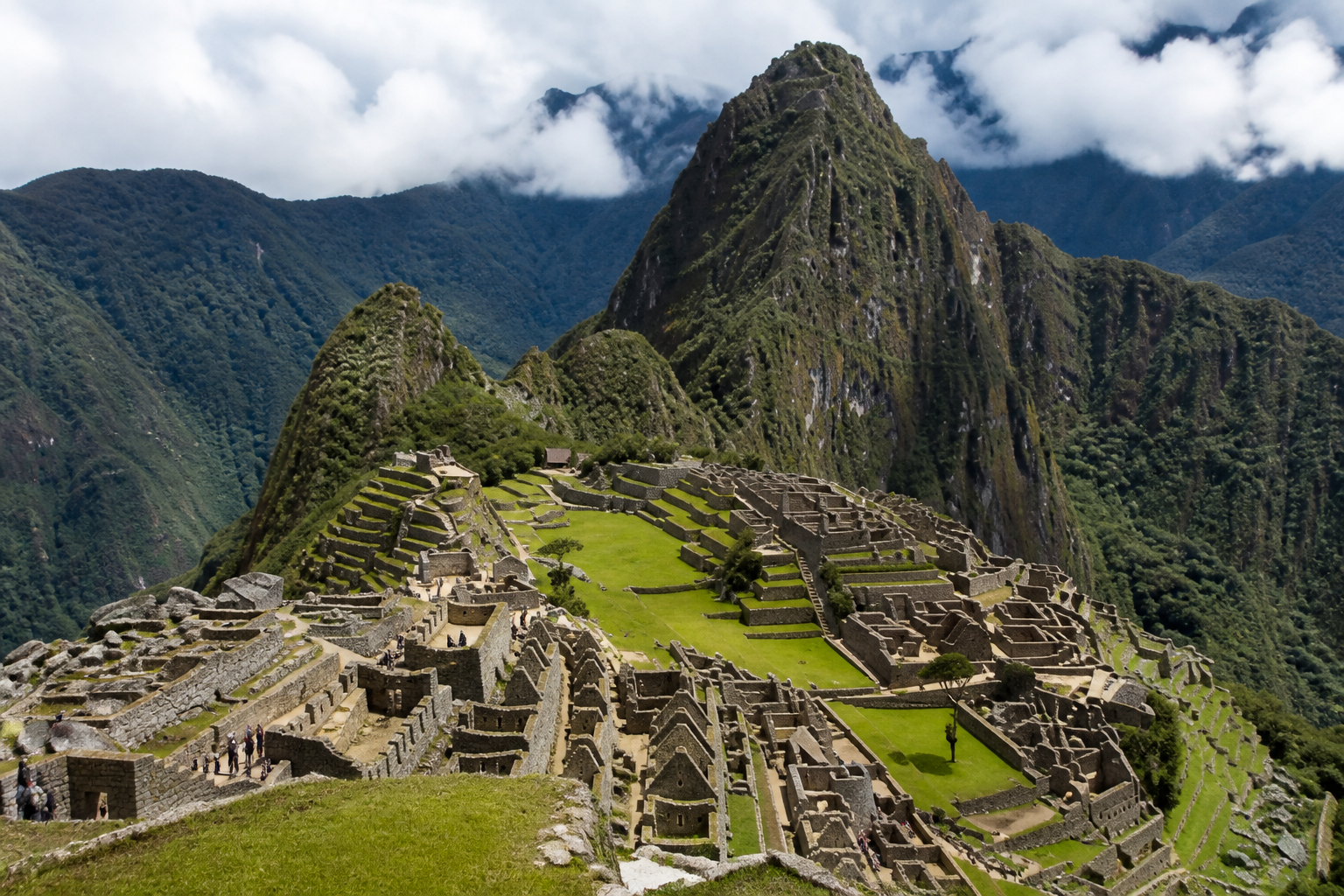
Machu Picchu is usually the kind of place people plan around for months: early trains, steep stone paths, mist lifting over the mountains, and that first glimpse of the citadel through the clouds. But during periods of violent protests in Peru, the site has been shut down and train services suspended, leaving travelers stranded or forced to change their plans.
If you’re considering a trip now, the most important advice is simple: **check official updates before booking transport, and don’t travel into an active protest area just to keep an itinerary intact.** Peru is a huge country, and you can still have a memorable journey even if Machu Picchu is temporarily off-limits.
## The Vibe & When to Go
Cusco feels both lively and unhurried. Women in colorful traditional clothing sell textiles near the plazas, café windows fill with travelers comparing hiking routes, and the mountain air turns cool as soon as the sun disappears. At 3,400 meters above sea level, the altitude is impossible to ignore at first.
Machu Picchu has a completely different mood. Even with crowds, there are quiet moments when the clouds drift across the ruins and the surrounding green mountains seem almost unreal.
The dry season, from **May through September**, usually brings clearer skies and cooler nights. It is also the busiest period. The rainy season, roughly **November through March**, can bring slippery trails and train delays, though the landscape is beautifully green and prices may be lower.
Because protests can affect roads, railways, airports, and archaeological sites with little warning, check:
– Peru’s Ministry of Culture for Machu Picchu entry updates
– Peru Rail and Inca Rail service notices
– Your government’s travel advisory
– Local news in Cusco and the Sacred Valley
If officials announce a closure, treat it as a real safety warning rather than an inconvenience.
## Must-See Spots: My Top Picks
### 1. Machu Picchu — When Access Is Restored
The classic experience begins before sunrise. I recommend choosing an early entry time, not because you need to rush, but because the morning light is softer and the mountain air feels wonderfully fresh.
You now enter according to a designated circuit, so study the route before arriving. Some paths are one-way, and returning to a favorite viewpoint may not be possible.
**Practical advice:**
– Reserve tickets through the official Ministry of Culture website.
– Don’t rely on buying a ticket after arriving in Peru.
– Bring water, sun protection, and a light rain jacket.
– Pack snacks in a small bag, but follow the site’s rules about food and plastic.
– Allow extra time if train services are affected by weather or demonstrations.
### 2. Cusco’s Historic Center
Start around Plaza de Armas, then wander away from the busiest streets toward San Blas. The stonework around Cusco is extraordinary, especially along Hatun Rumiyoc, where enormous blocks fit together without mortar.
San Blas has small workshops, simple cafés, and steep lanes that reward slow walking. I like visiting in the late afternoon, when the hard midday light softens and the neighborhood feels less crowded.
For a quieter look at the city, visit the **12-Angled Stone**, then walk toward the San Blas market for fresh juice or a cheap lunch. Take it gently on your first day; altitude can turn an easy-looking hill into a serious workout.
### 3. The Sacred Valley
The Sacred Valley is a good alternative if Machu Picchu is closed, and it deserves more than a rushed day trip. The valley floor is broad and agricultural, with small villages, cornfields, and dramatic mountains rising on both sides.
Good stops include:
– **Pisac Market:** best earlier in the day before tour groups arrive
– **Pisac ruins:** steep, beautiful, and less hectic than the main Machu Picchu viewpoints
– **Ollantaytambo:** a remarkable living town with Inca walls and narrow lanes
– **Chinchero:** known for weaving and a lively Sunday market
I’d stay at least two nights if you can. Ollantaytambo makes a particularly useful base and is normally the departure point for many Machu Picchu trains.
### 4. Sacsayhuamán
Just above Cusco, Sacsayhuamán has massive stone walls and wide views over the city. The scale is what stays with you. Some stones are so large that you start wondering how they were moved across the mountains.
You can walk there from central Cusco, but the climb is demanding at altitude. A short taxi ride up and a walk back down is easier, especially during your first couple of days.
Go in the morning for clearer views, and bring a hat. There is very little shade.
## Practical Travel Advice
### Getting There & Visa
Most international visitors fly into **Jorge Chávez International Airport in Lima**, then take a domestic flight to Cusco. Lima–Cusco flights are frequent, but leave extra time if you have a separate international and domestic booking.
Visa rules depend on your passport. Citizens of the United States, Canada, the United Kingdom, Australia, and many European countries can usually enter Peru for tourism without arranging a visa in advance, but permitted stay lengths and passport-validity rules can change.
Before booking, check:
– Your passport’s validity requirement
– Whether you need proof of onward travel
– Current entry rules from the nearest Peruvian consulate
– Any health or vaccination requirements
If protests are active, check whether the airport, roads, and railway are operating normally. A confirmed flight does not always mean the road from the airport will be clear.
### Where to Stay
**Cusco Historic Center:** Best for first-time visitors, restaurants, plazas, and easy access to museums. Expect noise and steep streets.
**San Blas:** A good choice for small guesthouses, galleries, and a quieter atmosphere. The hills are real, so pack lightly.
**Wanchaq:** More practical and less touristy, with easier access to transport and larger hotels.
**Ollantaytambo:** Ideal for the Sacred Valley and train connections to Machu Picchu. It becomes peaceful after day-trippers leave.
**Urubamba:** Better for gardens, larger hotels, and a slower countryside stay, though you’ll need taxis or colectivos to explore.
During periods of unrest, choose accommodation with flexible cancellation and ask whether staff can help arrange safe transport.
### Getting Around
Cusco’s center is walkable, but the altitude makes short distances feel longer. Use official taxis or a reputable ride-hailing service where available, and agree on the fare before getting into a street taxi.
For the Sacred Valley:
– **Colectivos** are cheap and commonly used by locals.
– Shared vans connect Cusco, Pisac, Calca, Urubamba, and Ollantaytambo.
– Private drivers are more comfortable but cost considerably more.
– Avoid traveling on isolated roads after dark, especially if roadblocks have been reported.
Train travel is the usual way to reach Machu Picchu Pueblo, also called Aguas Calientes. Services can be suspended during protests, flooding, or landslides, so don’t schedule an international flight immediately after your return from the mountains.
## Real Costs & Local Tips
Prices change with the season, and Machu Picchu tickets and train fares can make a major difference.
### Approximate Daily Budgets
**Budget traveler: $35–60 per day**
– Hostel bed: $8–18
– Simple local meals: $3–7
– Colectivos and short taxi rides: $5–10
– Museums and small entrance fees: $3–15
**Mid-range traveler: $90–170 per day**
– Comfortable hotel: $45–100
– Sit-down meals: $10–25 each
– Taxis and organized day trips: $15–50
– Activities and entrance fees: $10–40
Machu Picchu itself is separate from these estimates. Add the entrance ticket, train, bus between Aguas Calientes and the ruins, and possibly a guide.
Peru uses the **sol**, written as **S/**. Small shops and market stalls may not accept cards, so carry modest amounts of cash. Tipping is appreciated but not compulsory. In restaurants, around **10%** is reasonable when service is not already included. Tour guides and drivers usually appreciate a tip for good work.
### A Few Ways to Save Money and Avoid Hassles
– **Eat lunch at a local menú restaurant.** A set meal with soup, a main course, and a drink is often far cheaper than a tourist-area dinner.
– **Buy water and snacks away from major attractions.** Prices rise sharply near train stations and archaeological sites.
– **Book official Machu Picchu tickets and trains directly.** Unofficial sellers may charge more or offer unclear arrangements.
– **Carry small bills and coins.** Vendors, buses, and small cafés may not have change for large notes.
– **Give yourself an acclimatization day.** It is cheaper—and much more enjoyable—than canceling tours because of altitude sickness.
– **Keep plans flexible during protests.** A cheap, changeable booking is often better than a tightly packed itinerary with nonrefundable transport.
Machu Picchu will still be there when it is safe to return. If the site is closed during your trip, spend more time in Cusco and the Sacred Valley, eat well, slow down, and listen to local advice. Peru offers far more than one famous viewpoint, and the best journeys here often come from leaving a little room for plans to change.
KEYWORDS: Machu Picchu, Cusco