
# Portugal After Its 2026 Win: My Favorite Places, Food, and Honest Travel Tips
Portugal has just been named **Europe’s Leading Tourism Destination at the World Travel Awards 2026**, and I can understand why. The country has an easy rhythm: long lunches, tiled streets, Atlantic light, strong coffee, and enough variety to keep a two-week trip interesting without spending half your holiday in transit.
What I like most is that Portugal doesn’t feel difficult to travel through. You can spend the morning wandering old lanes in Lisbon, eat grilled fish by the sea in the afternoon, and end the day with a glass of wine while the sky turns pink. The famous places can get busy, but there are still plenty of quieter corners if you slow down.
## The Vibe & When to Go
Portugal feels relaxed, social, and pleasantly unhurried. Even in busy Lisbon, daily life spills onto sidewalks and small café terraces. In the north, the mood is greener and cooler; down in the Algarve, everything feels sunnier and more beach-focused.
For the most comfortable weather, I’d choose:
– **April to June:** Warm days, green landscapes, and fewer crowds than peak summer.
– **September to October:** Warm sea temperatures, softer light, and a calmer feel after August.
– **July and August:** Great for beaches, but expect higher prices and crowded coastal towns.
– **November to March:** Cooler and wetter, especially in Porto and the north, though Lisbon can still have lovely sunny days.
Portugal is especially appealing right now because it offers several kinds of trips in one country: city breaks, wine regions, surf beaches, island escapes, and historic towns. You don’t need to choose between culture and scenery.
## Must-See Spots: My Top Picks
### 1. Lisbon’s old neighborhoods, with room to wander
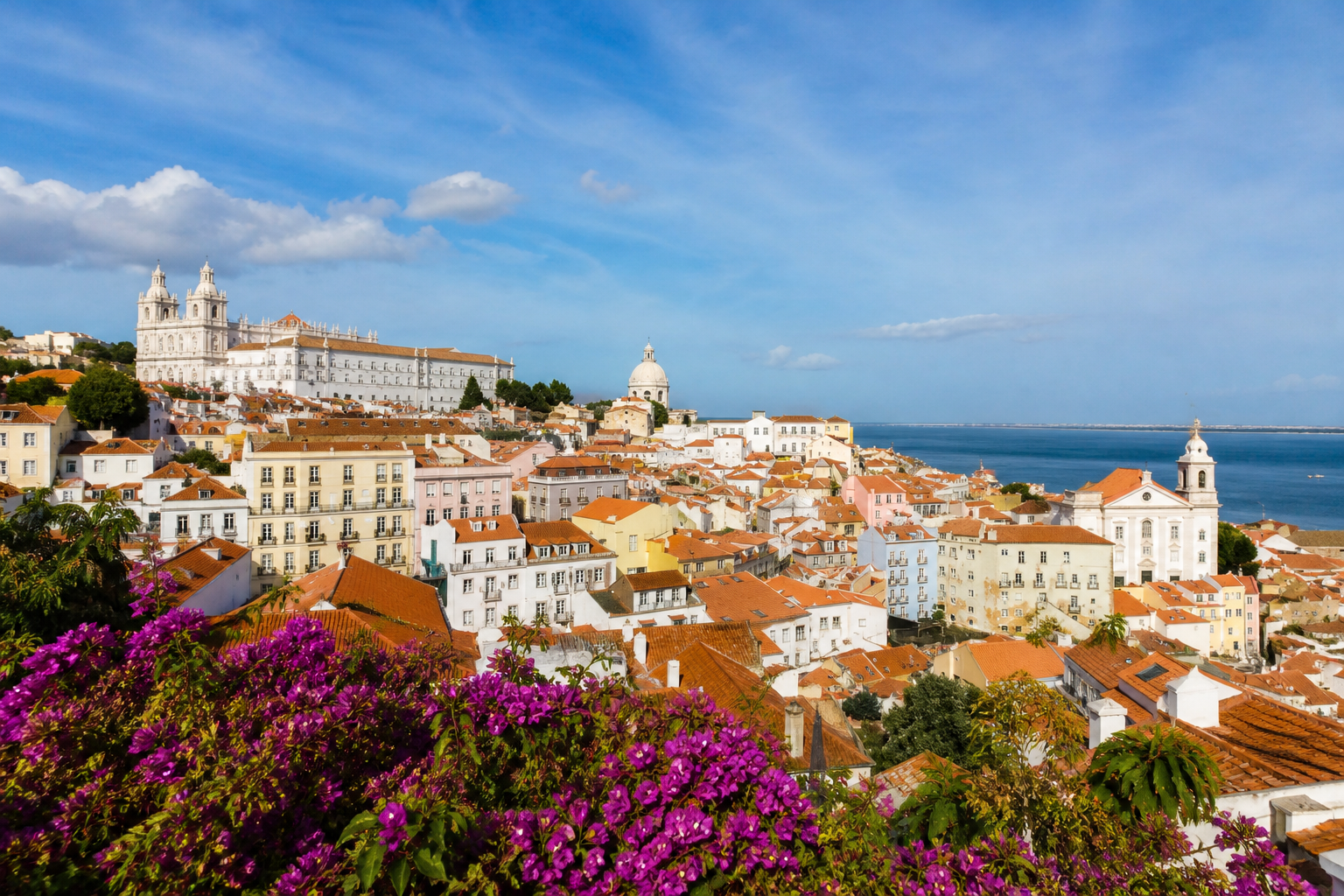
Lisbon is the natural starting point for many visitors. I love the way the city changes from one street to the next: grand squares in Baixa, steep lanes in Alfama, colorful houses in Graça, and a more creative, food-focused atmosphere around Mouraria and Intendente.
Ride the famous Tram 28 if you want the classic experience, but go early in the morning. Later in the day, it can be packed and less enjoyable. I prefer walking through Alfama before breakfast, when the streets are quiet and locals are opening shutters.
For a different view, head to **Miradouro da Senhora do Monte** or **Miradouro de Santa Catarina**. Bring a small drink from a shop rather than paying for an expensive rooftop cocktail.
I’d also leave time for **Belém**, especially the riverside walk and Jerónimos Monastery. The area is popular, but arriving before the tour buses makes a big difference. And yes, have a pastel de nata—but try one warm, with cinnamon, rather than buying a box from the first bakery you see.
### 2. Porto for atmosphere, river views, and serious food
Porto has a moodier, more intimate character than Lisbon. The stone buildings, narrow streets, and riverfront views are beautiful, but the city also feels lived-in rather than polished for visitors.
Walk across the **Dom Luís I Bridge**, then explore Vila Nova de Gaia for port tastings. I enjoyed visiting a smaller lodge instead of choosing the biggest, most famous name. The tours tend to feel more personal, and you can usually ask better questions.
The **Clérigos area**, São Bento Station, and the Ribeira waterfront are essential, but my favorite moments came from wandering away from the river. Try the streets around Cedofeita for independent shops and relaxed cafés.
Porto is also a good place to eat simply. Look for a busy neighborhood restaurant serving **francesinha**, grilled fish, or a daily lunch menu. The restaurants filled with locals are usually a better bet than places with laminated menus in several languages.
### 3. The Douro Valley for a slower day
The Douro Valley is one of those places that looks almost unreal in photographs, with vineyards climbing the hills above the river. The best way to enjoy it is not to rush through five wineries in one day. Choose one or two, take your time, and leave space for lunch.
You can visit from Porto by organized tour, train, or car. A train ride to Pinhão is a lovely option if you want scenery without driving. Renting a car gives you more freedom, but some valley roads are narrow and winding, so I wouldn’t plan a packed schedule.
Pinhão itself is small. The charm is in the landscape, the river, the vineyard terraces, and the long meal with local wine—not in checking off a long list of attractions.
### 4. The Algarve beyond the resort strip
The Algarve is famous for golden cliffs and clear water, and the coastline really is beautiful. Lagos, Praia da Marinha, Tavira, and the area around Carvoeiro all offer different experiences.
For a quieter trip, I’d spend time around **Tavira**, which has a more traditional feel, or explore the western Algarve near **Carrapateira and Aljezur**, where the beaches are wilder and the surf culture is stronger.
In summer, visit popular beaches early. Parking fills quickly, and some cliff paths become very hot by midday. If you’re swimming, pay attention to flags and currents; the Atlantic can look calm while pulling strongly offshore.
## Practical Travel Advice
### Getting There & Visa
Portugal has major airports in:
– Lisbon
– Porto
– Faro
– Funchal, Madeira
– Ponta Delgada, Azores
Lisbon is usually the easiest arrival point for first-time visitors. Porto works well if you want to focus on the north, while Faro is convenient for the Algarve.
Portugal is part of the **Schengen Area**. Travelers from the United States, Canada, the United Kingdom, Australia, and several other countries can generally visit for up to 90 days within a 180-day period without a tourist visa. Other nationalities may need to apply for a Schengen visa before traveling.
Entry rules can change, so check the Portuguese immigration authorities or your local consulate before booking. If a new European travel authorization is required for visa-exempt visitors by the time you travel, apply through the official EU website rather than a third-party service.
For flights, I usually compare Lisbon and Porto rather than assuming Lisbon will be cheapest. Open-jaw tickets can work well—for example, flying into Lisbon and leaving from Porto—especially if you plan to travel north through the country.
### Where to Stay
**Lisbon**
– **Baixa or Chiado:** Central and convenient, but busier and more expensive.
– **Alfama:** Atmospheric and historic, though steep and less practical with heavy luggage.
– **Príncipe Real:** Good for stylish restaurants, small shops, and a calmer evening scene.
– **Graça or Estrela:** Better for a more residential feel.
**Porto**
– **Ribeira:** Beautiful and lively, but noisy and touristy.
– **Baixa and Bolhão:** Central, walkable, and convenient for restaurants.
– **Cedofeita:** A good choice for cafés, galleries, and a younger local atmosphere.
– **Vila Nova de Gaia:** Great river views and port lodges, though you’ll cross the bridge more often.
**Algarve**
– **Lagos:** Good for beaches, restaurants, and a lively but manageable atmosphere.
– **Tavira:** Quieter and more traditional.
– **Albufeira:** Convenient for nightlife and package holidays, but not my first choice for a peaceful stay.
– **Aljezur or Carrapateira:** Better for surf, nature, and a less resort-like experience.
### Getting Around
Lisbon and Porto are both easy to explore on foot, although Lisbon’s hills are no joke. Comfortable shoes matter more than stylish ones.
Public transport is useful:
– Lisbon has metro, trams, buses, and suburban trains.
– Porto has metro, buses, and trains to nearby towns.
– Regional trains connect many coastal and northern destinations.
– Buses are often the practical choice for smaller towns.
Uber and Bolt are widely used in the larger cities and are usually cheaper than traditional taxis. I still check the pickup location carefully, especially at airports and busy train stations.
For the Algarve and the Douro Valley, a rental car gives you much more freedom. Avoid leaving luggage visible in the car, and allow extra time for narrow roads and limited parking in historic centers.
## Real Costs & Local Tips
Portugal is not as inexpensive as it once was, particularly in Lisbon, Porto, and the Algarve during summer. Still, it can be good value compared with many Western European destinations if you eat where locals do and avoid staying right in the most famous squares.
### Typical daily budgets per person
**Budget: €55–€85**
– Hostel bed or simple guesthouse: €20–€40
– Bakery breakfast: €3–€6
– Casual lunch: €8–€14
– Simple dinner: €12–€20
– Public transport and small attractions: €5–€15
**Mid-range: €110–€180**
– Comfortable hotel or private apartment: €70–€120
– Café breakfast: €6–€10
– Sit-down lunch: €15–€25
– Good dinner with wine: €25–€45
– Transport, museums, and occasional tours: €15–€30
The currency is the **euro (€)**. Cards are accepted almost everywhere, but I keep some cash for bakeries, small cafés, market stalls, and older taxis.
Tipping is appreciated but not compulsory. I usually round up or leave around 5–10% for good service. Check the bill before adding anything—some restaurants include a service charge, while others may place bread or small starters on the table and charge for them if you eat them.
### A few tricks that saved me money
– **Eat the prato do dia.** The daily set lunch can include soup, a main course, drink, and coffee for much less than ordering à la carte.
– **Don’t order food placed automatically on the table.** Bread, olives, cheese, and small starters may not be free. Ask if you’re unsure.
– **Book popular trains and attractions early.** Prices and availability can change, especially in summer.
– **Stay one or two metro stops outside the center.** You can often save a surprising amount while remaining close to everything.
– **Visit famous viewpoints early or near sunset on weekdays.** You’ll get a better experience without paying for an overpriced rooftop venue.
– **Carry water and take breaks on hills.** Lisbon and Porto are very walkable, but the climbs can turn a short stroll into a workout.
Portugal’s World Travel Awards win feels fitting, but the award itself isn’t the reason I’d return. I’d go back for the small things: coffee at a standing counter, a late train along the coast, grilled sardines shared at a crowded table, and the feeling that there is always another street worth turning down.
KEYWORDS: Portugal Lisbon