
# Peru Beyond the Awards: My Favorite Places, Local Food, and Real Travel Tips
Peru has just added six World Travel Awards to its growing collection of travel honors, including the title of **South America’s Leading Destination**. That kind of recognition is easy to understand once you’ve watched the sun rise over the Andes, eaten ceviche beside the Pacific, or wandered through a quiet colonial street in Arequipa.
But Peru is much more than Machu Picchu. It’s a big, wonderfully varied country, and every region feels different. You can be wearing a fleece in Cusco one day and sweating through your shirt in the Amazon the next.
## The Vibe & When to Go
Peru feels adventurous without always being difficult. The scenery changes dramatically between the coast, mountains, rainforest, and desert. Food is a major part of the experience, and even a simple lunch at a local restaurant can be memorable.
The best time depends on where you’re going:
– **Cusco, the Sacred Valley, and Machu Picchu:** May to September usually brings the driest weather and clearest mountain views. Nights can be very cold.
– **Lima and the coast:** December to April is warmer and brighter. From June to October, Lima is often gray and misty, though still pleasant for eating and exploring.
– **Amazon regions:** You can visit year-round. Rain is common, but the wet season brings fuller rivers and lush scenery.
– **Arequipa and the Colca Canyon:** May to November generally offers sunny days and good walking conditions.
I like traveling through Peru during the shoulder seasons—April, May, September, or October—when the weather is often cooperative and the major sites feel a little less crowded.
Give yourself time to adjust to the altitude. Cusco sits more than 3,000 meters above sea level, and even fit travelers can feel breathless, headachy, or unusually tired during the first day or two. I keep my first day slow, drink plenty of water, and avoid planning a strenuous hike immediately after arriving.
## Must-See Spots: My Top Picks
### 1. Cusco and the quieter side streets
Cusco’s Plaza de Armas is beautiful, but it can feel busy with tour groups, restaurant touts, and traffic. I prefer wandering a few blocks away toward **San Blas**, where steep stone lanes lead to small workshops, courtyards, and cafés with mountain views.
The **San Pedro Market** is another favorite. Go in the morning, when locals are shopping for fruit, bread, flowers, and supplies. You’ll see enormous ears of corn, colorful potatoes, fresh juices, and inexpensive plates of soup or rice. Ask the price before ordering, especially if there isn’t a visible menu.
For a gentle first day, visit the **Qorikancha temple** and then walk through the historic center at an easy pace. Save the higher viewpoints and long hikes until your body has had time to settle.
### 2. Machu Picchu, planned carefully
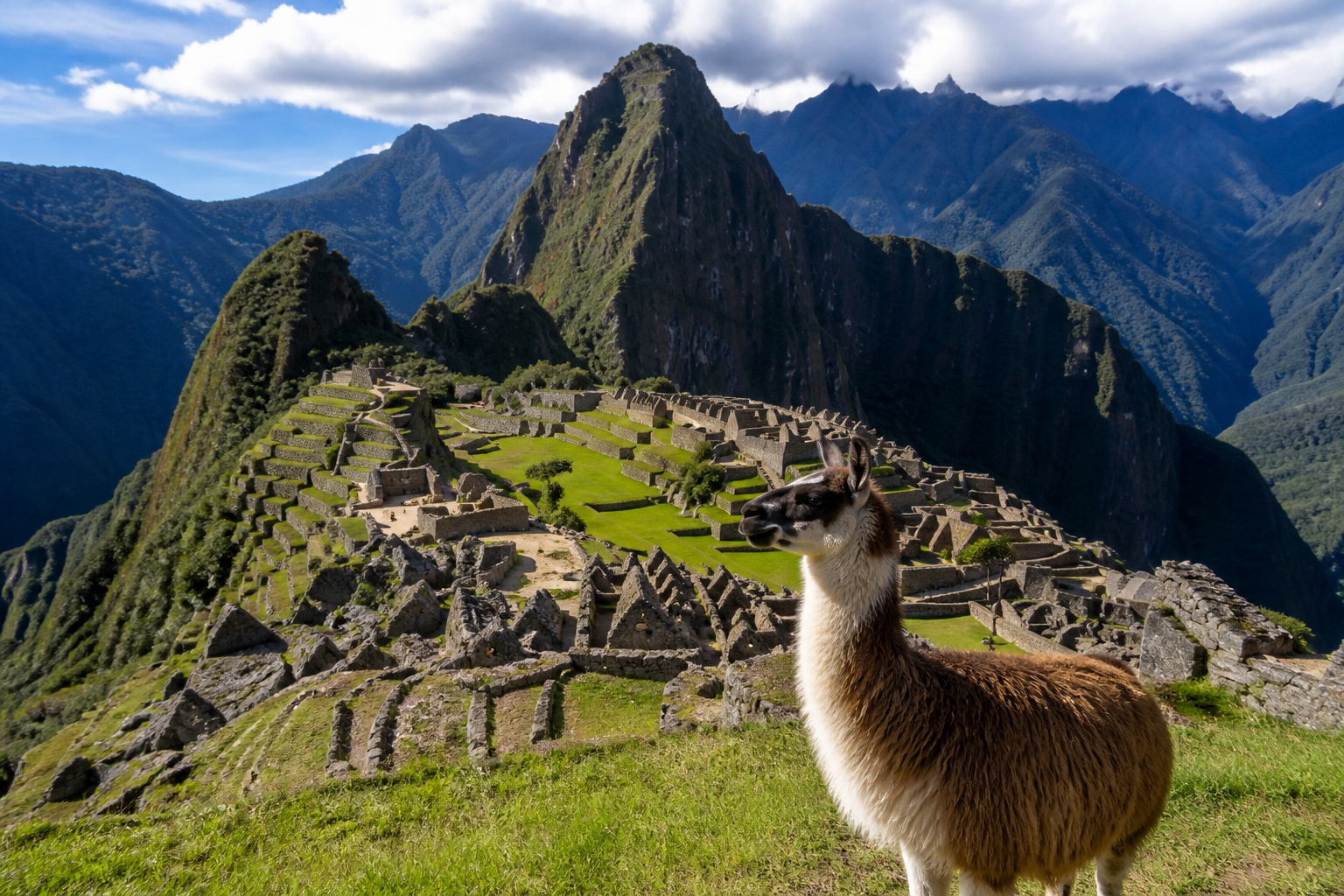
Machu Picchu is famous for a reason. Standing among those terraces and stone walls, with green mountains rising around you, is one of those travel moments that actually lives up to the photographs.
The experience depends heavily on planning. Entry is arranged through timed circuits, and tickets can sell out well in advance during the busiest months. Check the official ticket system or use a reputable local operator rather than trusting a random online seller.
I recommend staying overnight in **Aguas Calientes** instead of trying to squeeze the entire visit into a rushed day from Cusco. That lets you take an early bus, explore without watching the clock quite so closely, and return to your hotel afterward for a shower and a proper meal.
If you want a quieter alternative, look into the **Salkantay Trek**, **Lares Trek**, or a visit to **Choquequirao**. They require more effort, but the trails are often far less crowded.
### 3. Arequipa and the Colca Canyon
Arequipa has a softer, sunnier feel than Cusco. Much of the historic center is built from pale volcanic stone, and the city is excellent for slow mornings, long lunches, and wandering without a strict plan.
The **Santa Catalina Monastery** is the obvious highlight, but I enjoyed taking my time there rather than rushing through with a group. Its painted walls, narrow lanes, and tiny courtyards make it feel almost like a separate town.
Arequipa is also one of the best food cities in Peru. Try **rocoto relleno**, **adobo arequipeño**, or a local chupe. For an inexpensive meal, look for a busy **picantería** serving a fixed lunch menu.
The **Colca Canyon** is usually visited on a two-day trip. Leave early for the **Cruz del Condor**, where Andean condors often glide above the canyon. The altitude can be tiring, so don’t underestimate the cold mornings and long drives.
### 4. Lima’s food scene and coastal neighborhoods
Lima is often treated as a stopover, which is a mistake. The city can be gray and chaotic, but it has an outstanding restaurant scene and a very different energy from the Andes.
For a comfortable introduction, stay around **Miraflores** or **Barranco**. Walk along the Malecón in Miraflores, watch paragliders above the cliffs, and spend an evening in Barranco’s galleries, bars, and old streets.
I’d also leave time for a proper ceviche lunch. The fish should taste fresh and bright, not drowned in lime. Other dishes to look for include **causa**, **lomo saltado**, **anticuchos**, and **ají de gallina**.
If you want a more historic side of Lima, visit the **Historic Center** during the daytime with a little planning. Go with a local guide if you’re unsure where to walk, and keep your phone and valuables out of sight.
## Practical Travel Advice
### Getting There and Visa
Most international visitors arrive through **Jorge Chávez International Airport in Lima**. Some flights connect onward to Cusco, Arequipa, or other major cities.
Peru’s entry rules depend on your passport. Many travelers from the United States, Canada, the United Kingdom, Australia, New Zealand, and much of Europe can enter for tourism without arranging a visa beforehand, but permitted stays and passport validity rules vary. Check Peru’s official immigration information or your nearest Peruvian embassy before booking.
You’ll generally need:
– A passport valid for the required period
– Proof of onward or return travel in some cases
– Accommodation details
– Enough funds for your trip
Flight prices are usually better when you compare Lima with nearby South American hubs such as Bogotá, Santiago, or Panama City. If you’re heading to Cusco, leave a little connection time in Lima. A delayed international flight can easily ruin a tight domestic connection.
### Where to Stay
– **Miraflores, Lima:** Easy for first-time visitors, restaurants, ocean views, and a generally comfortable base.
– **Barranco, Lima:** More artistic and relaxed, with cafés, bars, and colorful old buildings.
– **San Blas, Cusco:** Charming and atmospheric, though the hills and cobblestones are not ideal for everyone.
– **Centro Histórico, Cusco:** Convenient for major sights, but busier and noisier.
– **Sacred Valley:** A good choice if you want fresh air, quieter surroundings, and a slower pace before or after Machu Picchu.
– **Arequipa’s historic center:** Walkable, attractive, and close to restaurants and museums.
– **Aguas Calientes:** Practical for Machu Picchu, though prices are higher than in other Peruvian towns.
### Getting Around
In Lima, use licensed taxis arranged through your hotel or rideshare apps such as **Uber** or **Cabify**, where available. I avoid hailing random taxis from the street, especially after dark.
Cusco’s central area is very walkable, though the altitude and hills make short distances feel longer. Taxis are inexpensive, but agree on the fare before getting in if you’re not using an app.
For longer routes, Peru has comfortable coach companies such as **Cruz del Sur** and **Oltursa** on several major routes. Night buses can save on accommodation, but choose a reputable company and keep valuables close.
Trains to Machu Picchu are convenient and scenic, but expensive. Book early, especially for high season, and check baggage limits before arriving at the station.
## Real Costs and Local Tips
Peru uses the **Peruvian sol**, written as **S/**. Cards are accepted in many hotels and restaurants, but cash is still useful for markets, small cafés, taxis, and rural areas.
Approximate daily budgets per person:
### Budget travel: S/120–220 per day
This might cover:
– A hostel bed or simple guesthouse
– Local menu lunches
– Public buses and occasional taxis
– Free walking tours and low-cost attractions
### Mid-range travel: S/300–600 per day
This usually allows for:
– A comfortable private room
– Restaurant meals
– Domestic transport or occasional guided tours
– Entrance fees and a few nicer experiences
Machu Picchu, trekking packages, domestic flights, and luxury restaurants can push the daily total much higher.
Tipping is appreciated but not compulsory. In restaurants, leaving around **5–10%** is reasonable when service is good. Check whether a service charge has already been added. For guides, drivers, and trekking staff, tips are common and should be included in your trip budget.
A few things that saved me money and hassle:
– **Eat the menú del día.** Local restaurants often offer soup, a main dish, and a drink for a fraction of tourist-area prices.
– **Carry small soles.** Market sellers and taxi drivers may not have change for large notes.
– **Don’t exchange money on the street.** Use banks, reputable exchange houses, or ATMs in secure locations.
– **Book Machu Picchu and popular treks early.** Last-minute tickets can be difficult or dramatically more expensive.
– **Buy bottled water only when necessary.** Many travelers use a refillable bottle with a reliable filter or purification tablets.
– **Take altitude seriously.** Coca tea is widely available and comforting, but rest, hydration, and a slower schedule matter more than any single remedy.
Peru’s award-winning reputation is deserved, but the country’s best moments are often small: a warm bowl of soup after a cold mountain morning, a market vendor explaining the difference between potato varieties, or a quiet street in Arequipa just before sunset. Plan the big sights, but leave some space for those unplanned moments. They’re usually what stays with you.
KEYWORDS: Peru Machu Picchu