
# America Beyond the Headlines: A Realistic Guide to Visiting the United States
America can feel like the ultimate holiday destination and the place everyone is suddenly hesitant to visit. The headlines are loud: politics, high prices, long airport lines, complicated entry rules. I understand the hesitation. But after traveling through the country, I’ve found that the United States is still full of the kind of places that stay with you—late-night diners, huge skies, loud neighborhoods, quiet desert roads, and strangers who are often more helpful than expected.
The trick is not trying to “see America” in one trip. Pick one region, slow down, and leave room for the unexpected.
## The Vibe & When to Go
America is not one travel experience. New York feels intense and crowded; New Orleans feels musical and relaxed; the Southwest feels spacious and almost dreamlike. Distances are enormous, and even nearby-looking places on a map can take half a day to reach.
Spring and autumn are usually the easiest seasons for a first visit. The weather is generally milder, national parks are more comfortable to explore, and prices can be kinder than during the peak summer months. Summer is wonderful for road trips and coastal towns, but expect heat, crowds, and higher hotel rates. Winter is perfect for cities such as New York, Chicago, and Boston, while southern states offer a welcome escape from colder weather.
If you’re planning a trip now, check the forecast for every stop rather than relying on a national weather report. America can be snowing in one state and sweltering in another on the same day.
## Must-See Spots: My Top Picks
### 1. New York City, New York
New York can be exhausting, expensive, and completely unforgettable. My favorite way to experience it is to mix the famous sights with ordinary neighborhood time.
Walk across the Brooklyn Bridge early in the morning, before the tour groups arrive, then wander through DUMBO and Brooklyn Heights. In Manhattan, Central Park is best explored without a strict plan. Grab a coffee, follow the paths, and watch the city rise around you.
For a quieter afternoon, take the subway to Jackson Heights in Queens for some of the best and most affordable international food in the city. I’ve had excellent momos, biryani, and tacos there for a fraction of what you might pay near Times Square.
**Practical tip:** Don’t stay around Times Square unless you love bright lights and crowds. Visit once, take your photos, and sleep somewhere calmer.
### 2. New Orleans, Louisiana
New Orleans feels unlike anywhere else in the country. The music spills out of doorways, balconies are decorated with flowers and ironwork, and meals seem to stretch into long, happy conversations.
The French Quarter is worth seeing, especially early in the morning when the streets are quieter. I prefer wandering beyond Bourbon Street into the Marigny and Bywater, where you’ll find small music venues, colorful houses, and neighborhood restaurants.
Try a po’ boy, gumbo, and beignets, but don’t spend the whole trip eating on the main tourist strips. Some of my best meals have come from modest-looking places with paper menus and no fancy décor.
**Practical tip:** Use rideshares at night rather than walking long distances alone, especially if you’ve been drinking. New Orleans is friendly, but it still deserves normal city awareness.
### 3. The Grand Canyon and the American Southwest
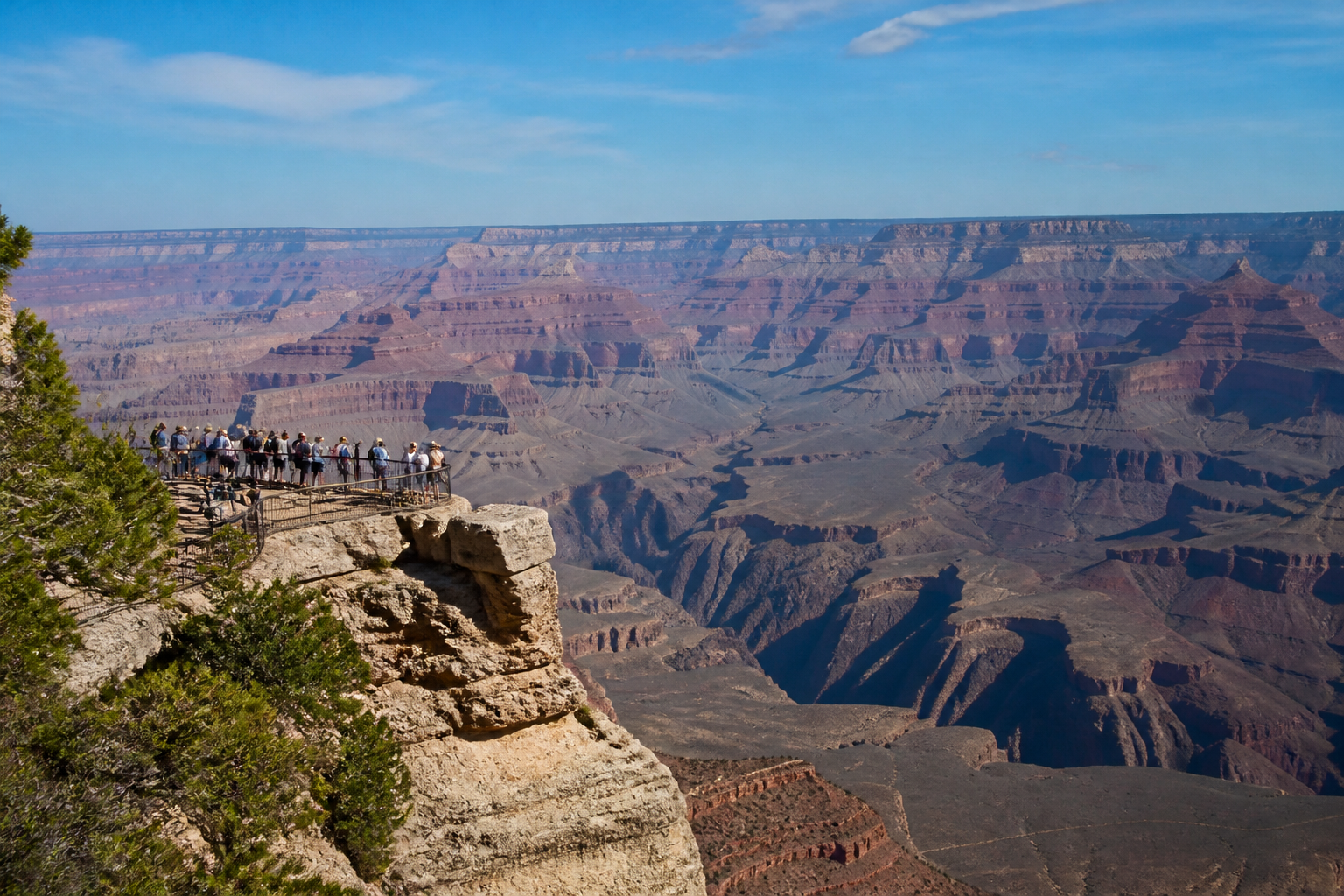
The Grand Canyon is one of the few sights that genuinely made me stop talking. Photographs flatten it; standing at the rim gives you a sense of scale that is hard to explain.
The South Rim is the easiest section for most visitors and stays open year-round. Arrive before sunrise or stay for sunset, but carry water even when the air feels cool. The dry climate can catch you off guard.
If you have extra time, continue toward Page, Monument Valley, or Zion National Park. The roads are long, but the changing colors of the desert make the driving part of the experience.
**Practical tip:** Book accommodation near the park months ahead during busy seasons. If everything inside the park is booked, look at nearby towns—but expect early starts and extra driving.
### 4. California’s Coast
A drive along the California coast gives you several different versions of America in one trip: San Francisco’s hills and fog, Big Sur’s cliffs, quiet beach towns, and Los Angeles’s sprawling energy.
I enjoyed stopping at small viewpoints rather than racing from one major attraction to the next. Bring layers, even in summer. Coastal California can be sunny inland and surprisingly cold beside the water.
In Los Angeles, skip the idea of seeing everything in a day. Choose one area—Los Feliz, Santa Monica, Silver Lake, or West Hollywood—and explore it properly. Traffic can turn a short journey into a frustrating hour.
**Practical tip:** Check road closures before driving Highway 1. Sections can close after landslides, and map apps do not always give enough warning.
## Practical Travel Advice
### Getting There and Visa Requirements
Most international visitors fly into major hubs such as New York, Los Angeles, Atlanta, Chicago, Miami, San Francisco, or Dallas. Compare nearby airports before booking; flying into one city and out of another can save both money and backtracking.
Your entry requirements depend on your passport:
– Travelers from Visa Waiver Program countries usually need an approved **ESTA** before boarding.
– Other travelers must apply for a **B-1/B-2 visitor visa** through a U.S. embassy or consulate.
– Your passport should be valid for the required period set by your country and U.S. rules.
– You may be asked for a return or onward ticket, accommodation details, and evidence that you can support yourself.
– An approved ESTA or visa does not guarantee entry. The final decision is made by border officers.
Apply through the official U.S. government website, not a third-party site charging extra fees. Give yourself plenty of time, especially if you need an interview.
### Where to Stay
America’s best neighborhoods depend heavily on the city and your travel style.
– **New York:** Lower Manhattan for convenience, Brooklyn for restaurants and a more residential feel, Queens for better value.
– **New Orleans:** The French Quarter for atmosphere, the Garden District for beautiful streets, and Marigny for music and nightlife.
– **Los Angeles:** Santa Monica for the beach, Los Feliz or Silver Lake for cafés and local restaurants, and West Hollywood for central access.
– **San Francisco:** Union Square is convenient but businesslike; North Beach, the Mission, and Hayes Valley feel more lived-in.
– **Near national parks:** Staying close to the entrance saves time, but simple motels farther away can reduce the price considerably.
Always check parking fees before booking. A cheap-looking hotel can become expensive once it adds daily parking, resort fees, taxes, and internet charges.
### Getting Around
Public transportation is excellent in New York, Chicago, Boston, and parts of San Francisco and Washington, D.C. In many other cities, you’ll need a car or a mix of rideshares and local buses.
Uber and Lyft are widely used. Download both before you travel and compare prices. In some areas, taxis are still cheaper, especially from airports.
For a road trip:
– Avoid driving long distances after a flight.
– Fill up before entering remote areas.
– Keep snacks and water in the car.
– Check whether your rental includes toll transponder charges.
– Photograph the car before leaving the rental lot.
America is not always walkable. A neighborhood may look close on a map but sit across a highway or a steep hill. Ask your hotel about the safest and most practical route before setting out.
## Real Costs and Local Tips
The currency is the **U.S. dollar**. Prices shown on menus often do not include sales tax, which varies by state and city. That final bill can be noticeably higher than expected.
### Typical Daily Budgets
These estimates exclude international flights and major shopping.
**Budget travel: $90–$150 per person**
– Hostel or basic motel: $35–$80
– Cheap meals and groceries: $25–$40
– Public transport or occasional rideshare: $10–$25
– Free attractions and inexpensive activities
**Mid-range travel: $200–$350 per person**
– Comfortable hotel shared by two people: $100–$200 per person
– Restaurant meals: $50–$90
– Transport, museum tickets, and occasional tours: $40–$80
Big cities, national parks, and festival periods can push these figures much higher.
### Tipping Etiquette
Tipping is part of the pay system in many service jobs, so it matters.
– Restaurants: generally **18–22%** before tax for good service
– Bartenders: about **$1–$2 per drink**, or more for complicated cocktails
– Taxis and rideshares: around **10–20%**
– Hotel housekeeping: roughly **$2–$5 per night**
– Counter-service cafés: optional; a small tip is fine, but you are not expected to tip heavily for every coffee
Check the bill carefully. Some restaurants add a service charge, especially for large groups.
### A Few Ways to Save Money
– **Use grocery stores for breakfast and road-trip snacks.** Eating out three times a day gets expensive quickly.
– **Look for free museum days.** Many city museums offer free or discounted entry on selected evenings.
– **Book national park accommodation early.** Last-minute rooms near famous parks can cost more than the flight.
– **Avoid airport rental desks when possible.** A city branch may have lower fees, though you’ll need to compare transport costs.
– **Stay near public transport.** A slightly pricier room can save money compared with daily rideshares.
– **Ask about hidden fees before paying.** Resort fees, parking, taxes, and destination charges can add a surprising amount.
The United States is not a cheap destination, and it can be frustrating when a simple meal becomes a much larger bill. Still, the country rewards curiosity. Some of my favorite memories came from places I had never heard of: a roadside barbecue stand, a quiet overlook, a neighborhood jazz bar, or a diner where the server remembered my coffee order.
That is the side of America I would encourage you to look for—the everyday version behind the headlines. It is messy, expensive, enormous, and sometimes difficult. It is also generous, funny, dramatic, and full of places that stay in your mind long after you fly home.
KEYWORDS: United States travel, American road trip