
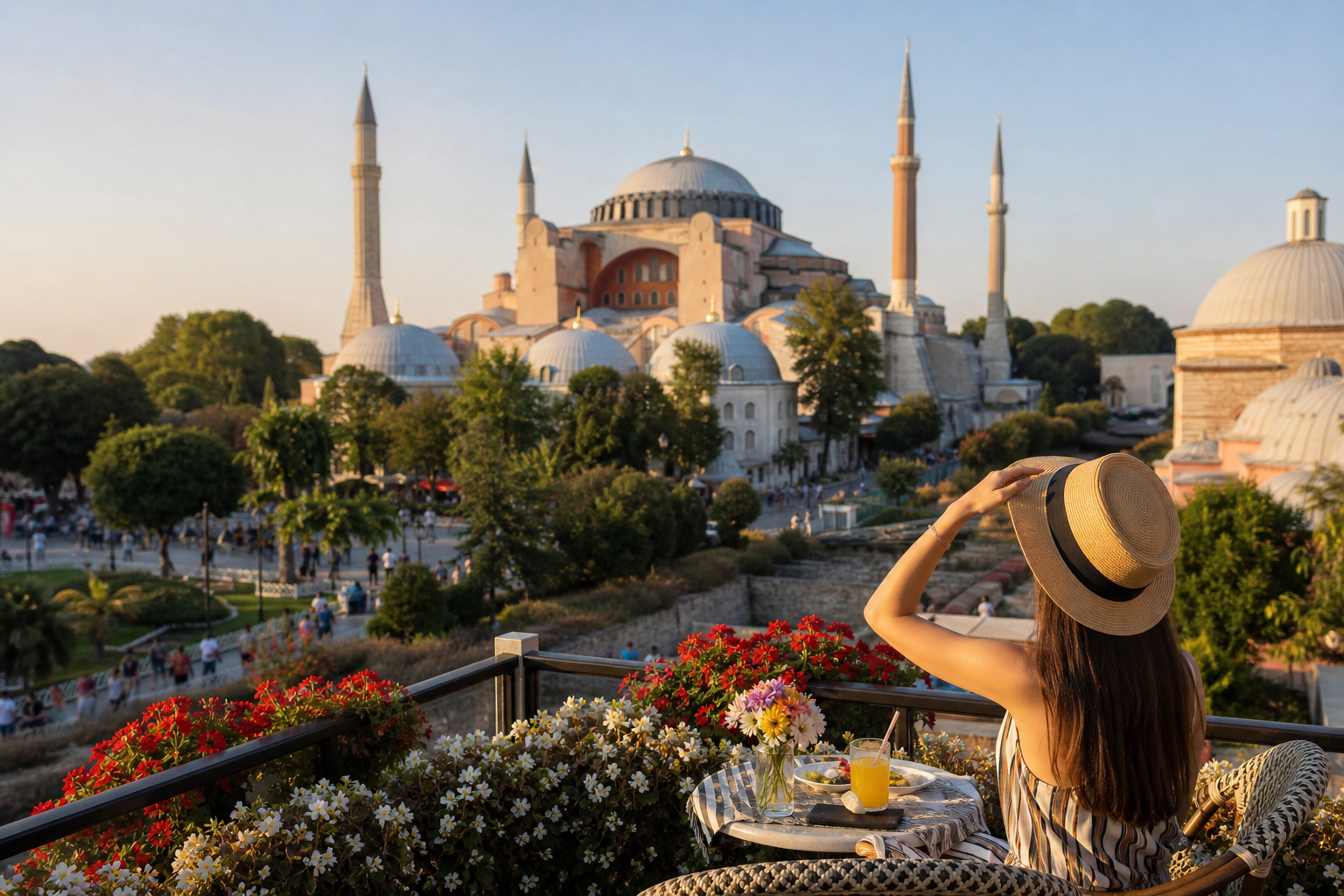
# Türkiye Travel Guide: Beautiful, Busy, and No Longer Quite the Bargain It Once Was
Türkiye still gives you unforgettable food, ancient streets, warm hospitality, and views that stay in your head long after you leave. But the days of a wonderfully cheap holiday are fading, especially in Istanbul, Cappadocia, Antalya, and along the Aegean coast.
On my last visit, I noticed the change in small ways: hotel prices that felt closer to Europe than to the Türkiye I remembered, restaurant bills that climbed quickly in popular neighborhoods, and entrance fees that made “just popping in” to another attraction surprisingly expensive. Tourist numbers have softened in some areas as visitors look for cheaper destinations, but the country itself remains deeply rewarding if you plan carefully.
## The Vibe & When to Go
Türkiye feels lively, layered, and wonderfully contradictory. In Istanbul, ferries slide across the Bosphorus while delivery riders weave through traffic and the call to prayer rolls between old stone buildings. In Cappadocia, the mornings are quiet and pale, with hot-air balloons floating above valleys before the streets fill with tour groups.
The best times to visit are **April to May** and **September to October**. The weather is usually comfortable for walking, the coast is still pleasant, and prices are generally less punishing than during July and August.
Summer can be beautiful, but it is hot and crowded. Istanbul may feel sticky, while inland places such as Cappadocia become very warm during the day and chilly after sunset. The Aegean and Mediterranean resorts are busiest in high summer, when accommodation prices rise sharply.
If you are travelling now in the warmer season, start sightseeing early. You will avoid the worst heat, catch softer light for photographs, and have a much calmer experience at major landmarks.
## Must-See Spots: My Top Picks
### 1. Istanbul’s Old City, Before the Crowds
The Blue Mosque, Hagia Sophia, and Topkapı Palace are famous for good reason, but I enjoyed Istanbul most in the quieter lanes around them. Get there early, then wander toward **Süleymaniye Mosque** for an open view across the Golden Horn. The mosque is peaceful, and the nearby streets feel less hurried than the main tourist corridor.
I also like walking from Sultanahmet down toward Eminönü rather than taking a taxi. You pass bakeries, old shops, spice sellers, and small lokantas serving simple meals to office workers. Stop for a bowl of soup or a plate of kuru fasulye with rice instead of eating directly beside the main attractions.
For a memorable evening, take a ferry to **Kadıköy** on the Asian side. The crossing costs far less than a Bosphorus cruise and gives you the same lovely skyline views. Kadıköy’s food market, bars, and side streets are much more relaxed than Sultanahmet.
### 2. The Bosphorus by Public Ferry
A private Bosphorus tour can be enjoyable, but it is not essential. I usually take a regular city ferry from Eminönü, Karaköy, or Beşiktaş toward Üsküdar or Ortaköy. Bring a sesame-covered simit and a small cup of tea, then sit outside if the weather is kind.
Üsküdar is especially nice around sunset. From the waterfront, you can look back toward the European side as the mosques light up. It feels like a proper Istanbul moment without paying for a luxury cruise.
### 3. Cappadocia Beyond the Balloon Photos
A hot-air balloon ride is one of Türkiye’s great travel experiences, but it has become expensive. Prices vary widely by season and operator, and a shared flight can cost several hundred euros. If it does not fit your budget, do not feel that you are missing everything.
The valleys around **Göreme**, **Uçhisar**, and **Çavuşin** are beautiful on foot. I loved walking through Rose Valley in the early morning, when the rock formations were still cool and the paths were quiet. Wear proper shoes and download an offline map because trail signs are not always clear.
Stay in a cave-style room if you can, but compare carefully. Some “cave hotels” are simply modern rooms with stone walls and a high price tag. A small guesthouse with a rooftop terrace can offer the same atmosphere for much less.
### 4. The Aegean Coast Without the Resort Price Tag
Places such as Bodrum, Çeşme, and Marmaris are lovely, but they can be painfully expensive in summer. I prefer smaller coastal towns or shoulder-season visits, when swimming is still possible and restaurant owners have time to talk.
**Şirince**, near Selçuk, makes a good side trip for its stone lanes, fruit wines, and shaded cafés. Nearby **Ephesus** is best visited as soon as it opens. The marble streets become extremely hot later in the day, and organised groups arrive in waves.
If you are based in Antalya, consider taking a local bus to nearby beaches rather than booking an expensive resort transfer. The coast is full of small public beaches and family-run restaurants where prices are more reasonable away from the main hotel strips.
## Practical Travel Advice
### Getting There & Visa
Istanbul has two major airports: **Istanbul Airport** on the European side and **Sabiha Gökçen Airport** on the Asian side. Check which airport your hotel is near before booking a cheap-looking flight, because the transfer across the city can take a long time.
For many nationalities, Türkiye allows visa-free stays for tourism, usually for a limited number of days. Other travellers need an **e-Visa** before arrival. Requirements depend entirely on your passport, so check the official Turkish e-Visa website or your nearest Turkish consulate before booking non-refundable plans. Your passport should also have enough validity beyond your arrival date and at least one blank page.
Direct flights are often cheaper from major European, Middle Eastern, and Gulf hubs. If you are flexible, compare flights arriving midweek and avoid the busiest summer weekends.
### Where to Stay
– **Sultanahmet:** Best for first-time visitors who want to walk to the major historic sights. Convenient, but more touristy and usually pricier for food.
– **Karaköy and Galata:** Good for cafés, restaurants, nightlife, and a more modern atmosphere. Hills can be tiring with luggage.
– **Kadıköy:** My favorite for local food, markets, and a less formal feel. It is excellent for longer stays, though you will use ferries to reach the Old City.
– **Beşiktaş:** Lively, central, and well connected, with plenty of everyday restaurants.
– **Göreme:** The easiest base for Cappadocia tours and valley walks. Book ahead in peak season.
– **Selçuk:** A practical, quieter base for Ephesus, with lower prices than staying in some coastal resorts.
### Getting Around
Istanbul is very walkable in sections, but not as one giant walking city. Use the tram, metro, buses, and ferries with an **Istanbulkart**, which can be used across much of the public transport network.
For taxis, use **BiTaksi** or Uber where available. In Istanbul, Uber generally connects you with licensed taxis rather than private drivers. Still, check that the meter is running and avoid drivers approaching you outside airports or major attractions.
Between cities, long-distance buses are comfortable and often cheaper than domestic flights. Companies such as Metro Turizm, Kamil Koç, and Pamukkale serve many routes, although travel times can be long. For Cappadocia, compare bus prices with flights to Kayseri or Nevşehir, especially if you are short on time.
## Real Costs and Local Tips
Prices change quickly because of inflation and exchange-rate swings, so treat these as rough planning figures rather than fixed promises.
### Rough Daily Budgets
**Budget traveller: around €35–€60 per person**
– Hostel bed or basic guesthouse: €12–€30
– Simple breakfast or bakery meal: €3–€7
– Local lunch: €5–€10
– Public transport and occasional taxi: €3–€8
– A few low-cost sights or snacks: €5–€15
**Mid-range traveller: around €80–€140 per person**
– Comfortable hotel or private room: €45–€90
– Restaurant meals and coffee: €25–€45
– Transport and entry fees: €10–€25
– Extra snacks, drinks, or activities: €10–€25
Cappadocia, coastal resorts, and major attractions can push these figures much higher. In Istanbul, museum and palace entrance fees can take a noticeable bite out of your daily budget.
The currency is the **Turkish lira (TRY)**. Cards are widely accepted in hotels, modern restaurants, supermarkets, and shops, but carry some cash for ferries, small cafés, markets, and public toilets. Use a bank ATM inside a branch or shopping centre when possible, and decline dynamic currency conversion when the machine offers to charge you in your home currency.
Tipping is not compulsory, but **5–10%** is appreciated in restaurants if service is good. Round up taxi fares or leave a small amount for hotel staff and guides. Check your bill before paying, especially in busy tourist areas, and ask whether a service charge has already been added.
### A Few Ways to Spend Less
– **Eat where local workers eat.** Look for busy lokantas, soup shops, pide restaurants, and bakery counters away from landmark entrances.
– **Use ferries instead of sightseeing cruises.** You get beautiful Bosphorus views for the price of ordinary public transport.
– **Book accommodation with breakfast.** Turkish breakfasts can be generous enough to carry you through much of the afternoon.
– **Compare attraction tickets online and at the official entrance.** Third-party sellers sometimes add large markups, while unofficial “skip-the-line” offers can be confusing.
– **Avoid accepting anything you did not order.** Bread, meze, water, or snacks may appear on the table and later show up on the bill. Ask first whether they are complimentary.
– **Travel just outside peak summer.** This is probably the biggest saving of all. September can still feel like summer on the coast, while hotel prices and crowds are usually more manageable.
Türkiye is no longer the effortless bargain it was several years ago, and pretending otherwise makes trip planning frustrating. Still, with public ferries, local eateries, shoulder-season travel, and a little care around tourist pricing, you can have a rich and memorable visit without spending like a resort holidaymaker. The country still gives back plenty: a ferry ride at dusk, a hot plate of pide, a quiet mosque courtyard, and the feeling that every neighborhood has another story waiting around the corner.
KEYWORDS: Istanbul Turkey