
# Albania Before the Crowds: A Relaxed Guide to Tirana and the Riviera
Accor’s latest travel report suggests that Europe’s tourism map could look very different by 2036, with younger travelers and fast-growing visitor markets looking beyond the usual Paris–Rome–Barcelona route. Albania is one of the places I can easily imagine becoming a major part of that change.
I visited expecting beautiful beaches and low prices. I found those, but also something more memorable: lively city streets, mountain roads that seem to go on forever, generous home cooking, and a country still figuring out how to welcome more visitors without losing its character.
## The Vibe & When to Go
Albania feels energetic, slightly unfinished, and wonderfully easygoing. In Tirana, cafés stay busy late into the evening, old Communist-era buildings sit beside colorful modern ones, and people seem to use the city’s main square as their living room.
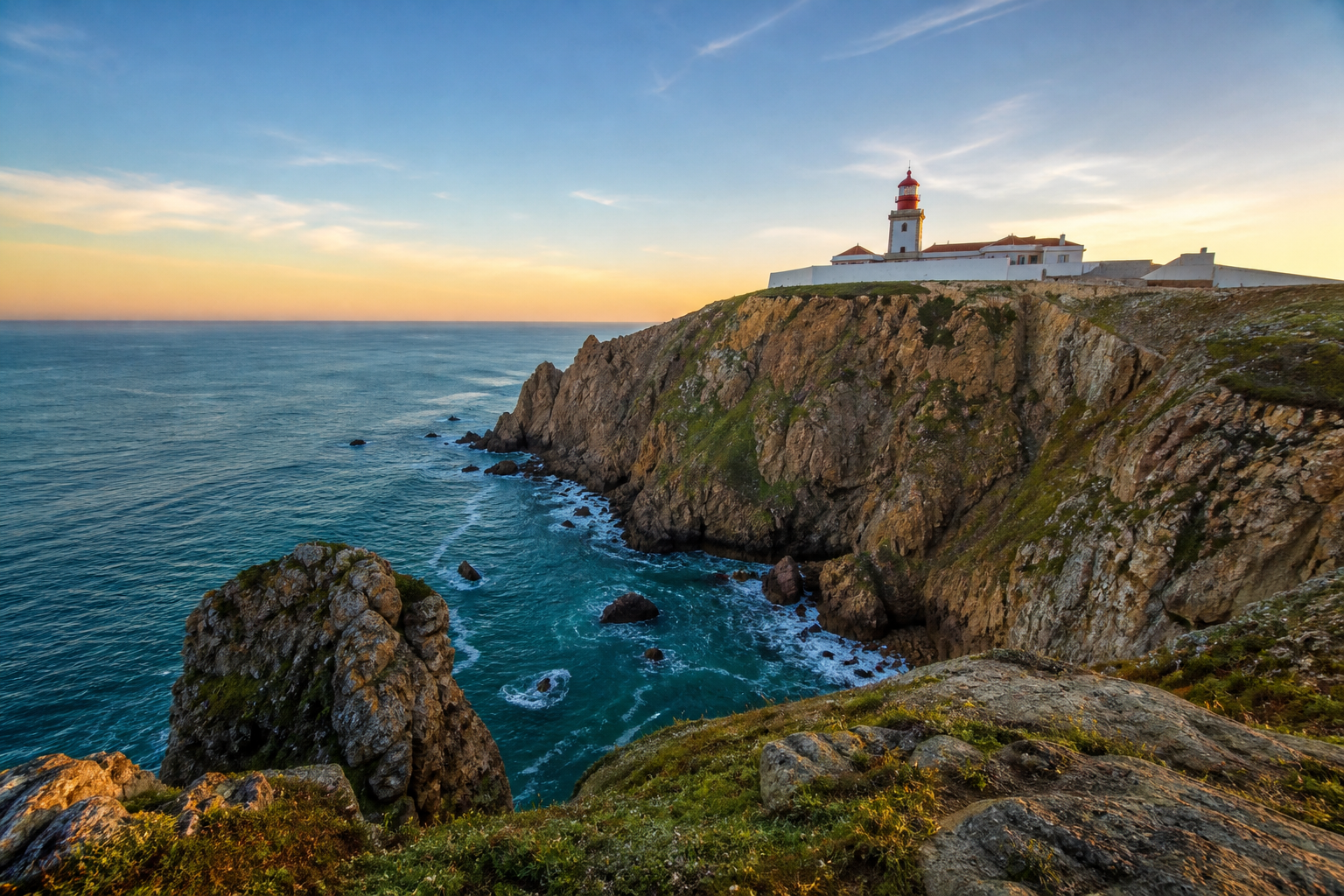
The coast has a different mood. Around Himarë and Dhërmi, the water is bright blue and the evenings are slow. Further south, small villages and quiet coves still give you room to spread out, although July and August are becoming increasingly busy.
**My favorite times to visit are May, June, September, and early October.**
– **May and June:** Warm days, green hills, and more space on the beaches.
– **July and August:** Hottest and busiest, especially along the southern coast.
– **September:** Warm sea, calmer roads, and a much more relaxed feel.
– **October:** Pleasant in Tirana and the south, though swimming weather becomes less dependable.
If you are traveling soon, I would choose late spring or early autumn. You can enjoy the coast without spending half your day stuck behind rental cars and tour buses.
## Must-See Spots: My Top Picks
### 1. Tirana’s Skanderbeg Square and Blloku
Start in **Skanderbeg Square**, where the city’s history is laid out in a compact walking area. The National History Museum, Et’hem Bey Mosque, and the striking modern buildings around the square make it an easy place to get your bearings.
Afterward, walk toward **Blloku**, once reserved for Communist Party officials and now packed with restaurants, cocktail bars, bakeries, and small design shops. I liked visiting in the late afternoon, when locals were meeting for coffee and the streets began to fill.
For a quieter view, take the cable car up **Dajti Mountain**. Go on a clear morning if you can. From the top, Tirana spreads below you in a wide bowl, with mountains behind it and the Adriatic somewhere beyond the haze.
**Small tip:** Don’t judge Tirana by the traffic around the center. Once you are on foot, the city is much easier and more pleasant than it first appears.
### 2. Berat’s White Ottoman Houses
Berat is one of Albania’s most atmospheric towns. The old houses climb the hillside beneath the castle, their white walls and red roofs giving the city its nickname, “the city of a thousand windows.”
I recommend arriving early, before the day-trippers. Walk up through **Mangalem**, cross the bridge toward **Gorica**, and spend time inside Berat Castle rather than simply photographing it from below. Parts of the castle are still lived in, which gives the area a warm, everyday feeling.
Eat lunch slowly at a family-run restaurant and try **tavë kosi**, a baked dish of lamb, yogurt, and eggs. It is filling, simple, and far better suited to a long lunch than a rushed takeaway.
### 3. The Albanian Riviera Around Himarë
The coastline south of Vlore is the part most visitors picture when they hear “Albania.” The road is dramatic, climbing over the **Llogara Pass** before dropping toward the sea.
I used Himarë as a base because it felt more relaxed than some of the larger resort areas. From there, you can reach beaches such as **Jalë**, **Livadhi**, and **Gjipe**. Gjipe involves a walk down a rough path, but that effort keeps it quieter than beaches beside the main road.
The best days here are not packed with activities. Swim in the morning, eat grilled fish or fresh salad at a seaside taverna, and leave some time for a late drive through the hills.
**Practical advice:** Roads can be narrow and driving standards vary. Avoid planning a long coastal drive after dark.
### 4. Gjirokastër and the Blue Eye
Further south, **Gjirokastër** has steep cobbled lanes, stone-roofed houses, and a large hilltop fortress with wide views across the valley. It feels more serious and historic than Berat, with fewer polished cafés and more uneven walking.
The **Blue Eye**, a deep natural spring surrounded by clear turquoise water, is an easy side trip from the main southern route. The water is extremely cold, even in summer, so I was happy simply admiring it rather than trying to swim.
Gjirokastër is a good place to spend the night. The town is atmospheric after the day visitors leave, when the streets quieten and the stone buildings catch the last light.
## Practical Travel Advice
### Getting There and Visa
Most international visitors arrive through **Tirana International Airport**, which has direct flights from many European cities. From the UK, European Union, and nearby countries, flight options are usually easiest in the warmer months. If you are coming from North America, a connection through Italy, Germany, Austria, or Greece is often necessary.
Albania allows visa-free short stays for citizens of many European countries, the United States, Canada, the United Kingdom, Australia, and several others. Rules depend on your passport and can change, so check Albania’s official immigration information before booking. Your passport should generally be valid for the required period beyond your stay.
For the coast, Tirana is only the beginning. From the airport, you can take a bus or taxi into the city, then continue by bus or rental car.
### Where to Stay
– **Tirana city center:** Best for first-time visitors, museums, restaurants, and easy access to buses.
– **Blloku:** Good if you want cafés, nightlife, and a more modern atmosphere.
– **Pazari i Ri:** A lively food-focused area with a local feel and plenty of casual places to eat.
– **Berat old town:** Ideal for atmosphere and short cultural breaks.
– **Himarë:** My pick for a relaxed beach base with restaurants and swimming nearby.
– **Gjirokastër old town:** Best for history, stone houses, and quiet evenings.
On the Riviera, booking ahead is sensible for July and August. Outside those months, you can usually find rooms more easily, especially in smaller guesthouses.
### Getting Around
Tirana’s center is very walkable, though traffic can be stressful when crossing wider roads. City buses are cheap, but routes and stops are not always obvious to visitors. Taxis are useful for airport transfers and short journeys; ask for the fare before getting in or use a local taxi app where available.
For Berat, Gjirokastër, and the coast, buses and minibuses connect the main towns. They are inexpensive, but schedules can be flexible rather than precise. If you want to visit several beaches or mountain villages, renting a car gives you much more freedom.
I would avoid driving in central Tirana unless you are comfortable with crowded streets, scooters, sudden lane changes, and limited parking.
## Real Costs and Local Tips
Albania uses the **Albanian lek (ALL)**. Cards are accepted in many hotels, supermarkets, and newer restaurants, but cash is still important for buses, beach cafés, small guesthouses, and village shops.
### Typical daily budgets
**Budget traveler: €30–45 per person**
– Hostel or basic guesthouse: €12–25
– Local breakfast: €2–4
– Simple lunch: €4–7
– Dinner at a casual restaurant: €7–12
– Local buses and occasional short taxi rides: €3–8
**Mid-range traveler: €70–120 per person**
– Comfortable hotel or private room: €40–75
– Breakfast and coffee: €6–10
– Restaurant meals: €20–35
– Transport, beach chairs, and small activities: €10–25
Prices rise sharply on the southern coast in midsummer, particularly for rooms close to the water.
### A few things that saved me money
– **Eat lunch away from the beach:** Restaurants one or two streets inland are often cheaper and serve better portions.
– **Carry small lek notes:** Bus conductors, market sellers, and small cafés may not have change for large bills.
– **Book the coast early in peak summer:** Last-minute rooms can be surprisingly expensive, especially in Dhërmi and Ksamil.
– **Ask about taxi prices first:** Some drivers quote generously to visitors. Agree on the fare before the journey begins.
– **Try local cafés for coffee:** A strong espresso or macchiato is often inexpensive, and café culture is one of the nicest parts of daily life here.
– **Do not plan every beach from online photographs:** Some famous coves are tiny and crowded. Ask your guesthouse host where locals go that week.
Tipping is not as formal as in the United States. If service was good, rounding up or leaving around **5–10%** is appreciated, but it is not expected everywhere.
Albania may become much busier over the next decade, especially as travelers search for places that feel different from Europe’s established capitals and resort towns. For now, it still rewards curiosity. Leave room in your plans for a long lunch, a wrong turn, or a bus that departs when the driver is ready. Those unscripted moments were often the parts I remembered most.
KEYWORDS: Albania Riviera, Tirana Albania