
# Europe Right Now: My Favorite Cities, Honest Costs, and Tips for Traveling Well
Europe’s travel mood feels a little more cautious these days. People are thinking twice about budgets, flight prices, and crowded summer streets—but they haven’t stopped coming. After spending time moving between a few of my favorite European cities, I understand why. Even when travel plans shrink, Europe still gives you an incredible mix of walkable neighborhoods, brilliant food, old streets, museums, beaches, and easy train journeys.
The trick is choosing your timing carefully and resisting the urge to pack too much into one trip.
## The Vibe & When to Go
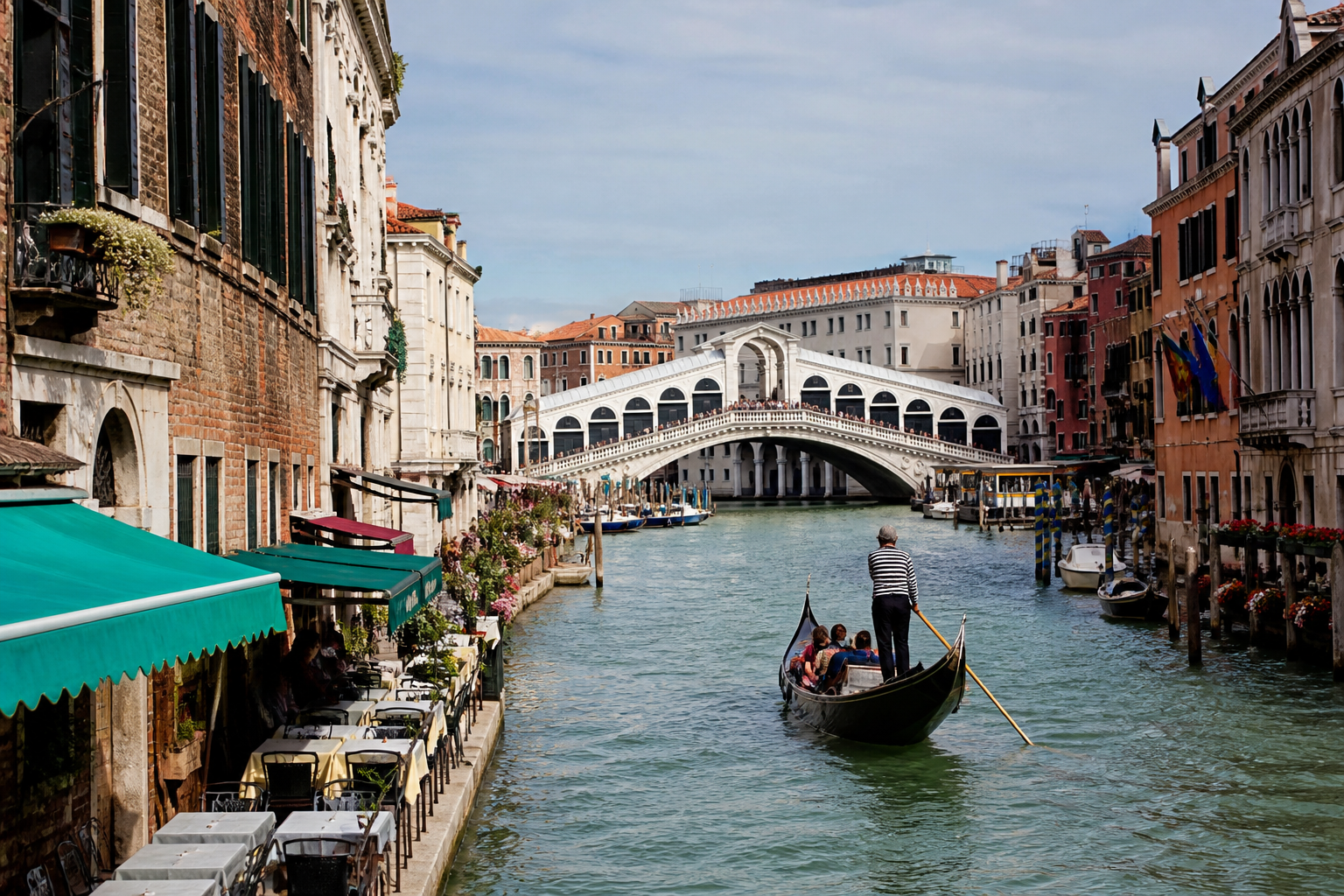
Europe changes personality from country to country, but the shared feeling is wonderfully human: late dinners spilling onto sidewalks, small bakeries opening before sunrise, locals arguing cheerfully over football, and grand historic buildings appearing at the end of an ordinary street.
I like traveling in **April to June** or **September to October**. The weather is usually comfortable, restaurant terraces are open, and you avoid the hottest days and thickest crowds found in July and August. Spring can bring rain, especially in northern Europe, while southern cities such as Lisbon, Rome, and Athens are often warm enough for outdoor dinners.
Summer is still a great choice if you want long beach days, festivals, and lively evenings. Just book trains, hotels, and popular attractions well ahead—and expect higher prices.
## Must-See Spots: My Top Picks
### 1. Lisbon for Hills, Tiles, and Slow Mornings
Lisbon is one of those cities where I happily get lost. The steep streets can be hard on your knees, but every climb seems to end with a river view, a tiled building, or a tiny café serving strong coffee and custard tarts.
I particularly enjoy wandering through **Graça and Alfama early in the morning**, before the tour groups arrive. The streets are quieter, laundry hangs between balconies, and the city feels more like a neighborhood than a sightseeing set.
For a break from the hills, take the tram or walk down toward the waterfront. Don’t rely on the famous Tram 28 for your entire experience—it can be packed. A regular city tram or one of Lisbon’s local buses often gives you a similar view with less waiting.
**My small Lisbon ritual:** buy a pastel de nata from a busy bakery, sprinkle it with cinnamon, and eat it standing outside. It tastes better that way.
### 2. Paris Beyond the Eiffel Tower
Paris is beautiful, but I enjoy it most when I stop chasing landmarks. Of course, see the Eiffel Tower and the Louvre if they’re important to you, but leave room for ordinary Paris.
I like the **Canal Saint-Martin area** for an evening walk, the **Latin Quarter** for bookshops and inexpensive lunch spots, and **Belleville** for lively restaurants and city views without the polished atmosphere of central Paris.
The best way to experience Paris is often on foot. Pick one neighborhood each day instead of trying to cross the whole city. Prebook major museums, especially during school holidays, and consider visiting first thing in the morning or during the last few hours before closing.
If you want a quieter view of the city, walk along the Seine from Île Saint-Louis toward the Jardin des Plantes. Bring a snack, sit by the water, and watch the boats pass.
### 3. Rome for Food, Ruins, and Beautiful Chaos
Rome can be noisy, crowded, and slightly exasperating—but it rewards patience. I still remember turning a corner near the Pantheon and finding a quiet church with cool stone floors and almost nobody inside. Moments like that are everywhere.
The **Monti neighborhood** is a good base if you want small wine bars, casual restaurants, and easy access to the Colosseum. **Trastevere** is charming and lively, though some streets become packed at night. For a calmer stay, look around **Prati**, near the Vatican and away from the busiest restaurant lanes.
Book the Colosseum, Roman Forum, Vatican Museums, and Borghese Gallery in advance. Otherwise, you may lose half a day standing in line.
For food, skip restaurants with aggressive staff outside and menus translated into ten languages. I’ve had better meals in simple places where the menu is short, the tables are close together, and locals are ordering the same pasta as everyone else.
### 4. Prague for Old Streets and Good Value
Prague remains one of my favorite European cities for a shorter trip. The historic center is gorgeous, but the quieter streets just beyond it are where I prefer to spend time.
Walk across Charles Bridge early, then continue toward **Malá Strana** before the crowds build. Later, explore **Vinohrady** or **Holešovice** for cafés, beer halls, galleries, and a more local evening atmosphere.
Prague is not as cheap as it once was in the most touristy areas, but it can still offer better value than Paris, Amsterdam, or Venice. Look for neighborhood restaurants away from Old Town Square, and check the price before accepting a taxi ride from a train station or attraction.
## Practical Travel Advice
### Getting There & Visa
Most major European cities are served by several large airports, and using a nearby secondary airport can sometimes cut the fare. Before booking, check the full journey into town. A cheap flight to an airport far outside the city may cost more once you add buses, trains, and time.
Visa rules depend on your passport:
– The **Schengen Area** covers much of mainland Europe, allowing eligible visitors to travel across member countries without repeated border checks.
– Many travelers, including citizens of the United States, Canada, Australia, New Zealand, and the United Kingdom, can usually visit for up to **90 days within a 180-day period** for tourism.
– Some nationalities need a Schengen visa before arrival.
– Passport validity rules, travel insurance requirements, and the planned **ETIAS travel authorization** may change, so check the official EU or embassy website before flying.
The United Kingdom and Ireland have separate entry systems from the Schengen Area. Keep your passport handy when crossing borders, even if there is no routine check.
### Where to Stay
Choose your neighborhood based on the kind of trip you want:
– **First European city break:** Stay centrally, close to a metro or major train station.
– **Food and nightlife:** Choose areas such as Monti in Rome, Vinohrady in Prague, or Canal Saint-Martin in Paris.
– **Quiet mornings:** Look for residential streets just outside the historic center.
– **Lower prices:** Stay one or two metro stops away from the main sights rather than booking directly beside them.
– **Longer trips:** Apartments with a small kitchen can save money, especially in expensive cities.
I always check the route home at night before booking. A lovely apartment on a hill or across a river can feel much less appealing when you’re carrying luggage after midnight.
### Getting Around
Europe is easiest when you combine different transport options:
– Walk whenever possible. Many historic centers are best explored on foot.
– Use city metro, tram, and bus systems; they are usually cheaper and faster than taxis.
– Book intercity trains early for the best prices. Rail passes are useful for flexible multi-country trips, but they are not automatically cheaper.
– Low-cost flights can help with long distances, though airport transfers and baggage fees add up quickly.
– In cities, use official taxi apps or established rideshare services where available. Avoid unlicensed drivers approaching you inside airports and stations.
For a multi-city trip, I prefer visiting two or three places properly rather than racing through six. A few extra nights can turn a tiring itinerary into a genuinely enjoyable one.
## Real Costs & Local Tips
Prices vary wildly across Europe. Copenhagen, Paris, Amsterdam, and Venice can be expensive, while parts of Portugal, central Europe, and the Balkans may offer better value.
### Daily Budget
**Budget travel: €55–€90 per person**
– Hostel bed or basic room: €25–€50
– Bakery breakfast or supermarket food: €5–€10
– Casual lunch: €8–€15
– Public transport: €5–€10
– One inexpensive dinner or takeaway: €12–€20
**Mid-range travel: €130–€220 per person**
– Comfortable hotel or private room: €75–€140
– Breakfast and coffee: €10–€18
– Sit-down lunch and dinner: €35–€65
– Museum entries and local transport: €15–€30
These figures usually exclude international flights and major attractions. Add more for peak summer, weekend stays, and famous destinations such as Venice, Paris, or central Amsterdam.
### Currency and Tipping
The euro is used in much of Europe, but not everywhere. The Czech Republic uses the koruna, Hungary uses the forint, Poland uses the złoty, and the United Kingdom uses the pound.
Cards are widely accepted, though I still carry a small amount of local cash for markets, public toilets, small cafés, and rural areas. When paying by card, choose to be charged in the local currency rather than accepting a poor conversion rate from the machine.
Tipping is generally more modest than in the United States:
– Round up at cafés and casual restaurants.
– Leave around **5–10%** for good restaurant service if a service charge is not already included.
– Taxis usually do not require a large tip; rounding up is fine.
– In some countries, tipping is appreciated but not expected.
### A Few Tricks That Save Money
– **Eat your main meal at lunch.** Many restaurants offer fixed-price menus that are noticeably cheaper than dinner.
– **Use supermarkets and local bakeries.** A picnic of bread, cheese, fruit, and something sweet can be one of the best meals of the day.
– **Book attractions directly.** Third-party ticket sites often add unnecessary fees or sell confusing packages.
– **Stay just outside the postcard center.** A ten-minute metro ride can lower your hotel bill and give you better restaurants.
– **Carry a refillable bottle.** Tap water is safe in many European destinations, though you should check locally.
– **Look for free museum hours and city passes carefully.** A pass only saves money if you actually visit enough included attractions.
– **Travel midweek when possible.** Trains and hotels are often cheaper, and popular sights feel less frantic.
Europe may be seeing softer travel intentions, but the streets, cafés, museums, and train platforms still feel very much alive. For me, that is the appeal right now: you can still have the classic European experience, but with a little more planning, a slower itinerary, and a willingness to look beyond the most photographed places.
KEYWORDS: Europe travel