
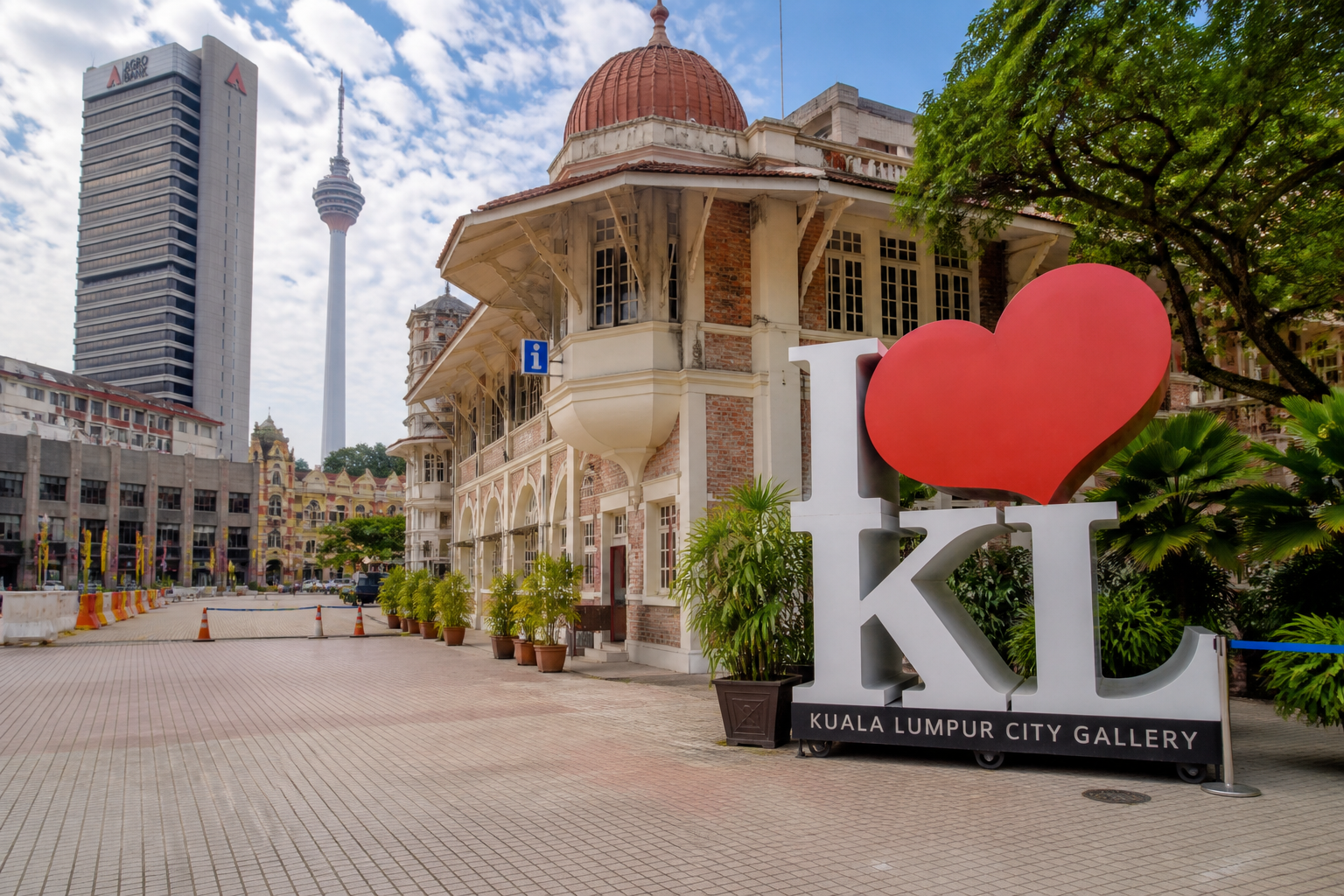
# Malaysia Beyond the Quick Weekend: Favorite Places, Food, and Honest Budget Tips
Malaysia has long been a favorite overseas escape for Indonesians, and after spending time there, I understand why. The flights are short, the food feels familiar but still full of surprises, and you can move from a modern city to an old shophouse district, a cool highland, or a tropical island without too much effort.
For many Indonesian travelers, Kuala Lumpur is the first stop. But Malaysia becomes much more interesting when you add Penang, Melaka, or Langkawi to the plan.
## The Vibe & When to Go
Malaysia feels easygoing, multicultural, and pleasantly unpredictable. In Kuala Lumpur, you might start the morning with nasi lemak, spend the afternoon in an air-conditioned shopping mall, and finish the day at a crowded Indian restaurant or a night market.
The weather is hot and humid throughout the year, usually around 25–33°C. Short, heavy rain showers are common, so I always carry a small umbrella or light rain jacket. The west coast—Kuala Lumpur, Penang, and Melaka—is generally easier to visit from December to February, while June to August can also be comfortable, although rain still appears without much warning.
The east coast islands have different weather patterns and can be affected by the northeast monsoon from roughly November to February. If you are planning a beach trip to places such as Perhentian or Redang, check conditions before booking.
Malaysia is especially appealing right now for a short international break. Direct flights from Indonesian cities are frequent, transport is straightforward, and the exchange rate often makes meals and local rides feel manageable compared with other popular destinations.
## Must-See Spots: My Top Picks
### 1. Kuala Lumpur: Go Beyond the Petronas Towers
The Petronas Twin Towers are impressive, especially when they light up after sunset, but I prefer exploring the neighborhoods around them rather than spending the whole day at the tower complex.
Start early at **Kampung Baru**, one of the city’s older Malay neighborhoods. From some of the small streets, you can see the skyline rising behind traditional wooden houses. Grab nasi lemak or roti canai at a local stall, then take the train toward **Pasar Seni**.
Around Pasar Seni, you can walk through **Central Market**, admire the colorful façade of Petaling Street, and visit the quieter corners of Chinatown. Jalan Sultan is a good place for old buildings, small cafés, and Chinese-Malay food. Try coming in the late afternoon, when the heat is less tiring and the streets begin to fill with food vendors.
For a calmer evening, I like **Titiwangsa Lake Gardens**. The skyline view is excellent, and locals come here to jog, picnic, and relax. It feels far removed from the traffic downtown.
### 2. Penang: Eat Your Way Through George Town
George Town is one of those places where wandering without a strict plan usually works well. The old streets are full of faded shop signs, temples, clan houses, cafés, and small food stalls that have been serving the same dishes for generations.
I would begin around **Armenian Street**, but I would not stop at the first café or souvenir shop. Walk toward the smaller lanes around **Lebuh Ah Quee** and **Lebuh Cannon**, where you can find painted murals and older residential buildings.
Food is the main reason I return to Penang. Look for char kway teow, assam laksa, hokkien mee, and chee cheong fun. Hawker centers can look confusing at first, but just watch where locals are queuing. Order one dish at a time instead of trying to make a giant food list—you will probably want a second round.
For a change of scenery, take a bus or rideshare to **Air Itam** and visit Kek Lok Si Temple. Go early if you want cooler weather and fewer crowds. Penang Hill is also pleasant, though the funicular queue can become very long on weekends.
### 3. Melaka: Slow Walks, Riverside Evenings, and Nyonya Food
Melaka is smaller and slower than Kuala Lumpur, which makes it a good two-day stop. The historic center is easy to explore on foot, though the heat can be intense in the middle of the day.
Visit **Jonker Street** during the weekend night market, but also explore the side streets before the crowds arrive. The old Chinese shophouses, small temples, and family-run cafés are just as interesting as the main market.
I enjoy walking along the **Melaka River** around sunset. The restored buildings and murals look different once the lights come on, and there are plenty of places to sit for a drink.
Do not leave without trying **Nyonya cuisine**. Chicken rice balls, ayam pongteh, cendol, and Nyonya laksa are all good starting points. Some famous restaurants have long queues, but smaller eateries a few streets away often serve equally satisfying meals at lower prices.
### 4. Langkawi: Beaches Without Rushing
Langkawi is best enjoyed at a relaxed pace. You can spend a morning at **Pantai Cenang**, but renting a car or booking a local driver gives you access to quieter beaches and viewpoints.
The **Langkawi SkyCab and Sky Bridge** offer dramatic views on a clear day. Check the weather before going, because clouds can block the views and the cable car may pause during bad conditions.
I also recommend visiting a small night market. The location changes by day, so ask your hotel or driver where it is happening. You will find grilled seafood, rice dishes, fruit, and sweet snacks at local prices.
Langkawi is duty-free, but that does not mean every shop has a bargain. Compare prices, especially for chocolate, alcohol, and souvenirs.
## Practical Travel Advice
### Getting There and Visa
For Indonesian passport holders, Malaysia generally allows visa-free entry for short visits of up to **30 days**, provided the trip meets the usual tourism conditions. Your passport should normally be valid for at least six months from arrival.
You may also need to complete the **Malaysia Digital Arrival Card (MDAC)** online before entering. Submit it through the official Malaysian immigration website within the required time window before arrival. Have proof of onward or return travel and your accommodation details available, even if immigration does not always ask for them.
Direct flights to Kuala Lumpur are available from Jakarta, Surabaya, Medan, Bali, Bandung, and several other Indonesian cities. Compare KLIA and Subang options before booking. KLIA has more international flights, while Subang can be closer to central Kuala Lumpur for selected routes.
### Where to Stay
– **Bukit Bintang:** Best for shopping, restaurants, nightlife, and first-time visitors. Convenient, but noisy and busy.
– **KLCC:** Good if you want city views, malls, and comfortable hotels. Usually more expensive.
– **Chinatown or Pasar Seni:** Better for cafés, heritage buildings, street food, and a more local atmosphere.
– **George Town, Penang:** Stay near Armenian Street or Love Lane for walkability. Choose outside the busiest center if you prefer quiet nights.
– **Jonker Street, Melaka:** Handy for sightseeing and food, though weekend evenings can be loud.
– **Pantai Cenang, Langkawi:** The easiest choice for beaches, restaurants, and budget accommodation.
### Getting Around
Kuala Lumpur’s **MRT, LRT, monorail, and commuter trains** cover many useful areas. They are usually cheaper and more predictable than taking a car during rush hour. Use **Grab** for places that are not close to a station.
George Town’s center is walkable, but the afternoon heat is serious. Local buses are affordable, and Grab is useful for temples, beaches, and hill areas.
In Melaka, walking is fine within the historic district. Avoid relying too heavily on the brightly decorated trishaws near Jonker Street unless you agree on the price and route first.
In Langkawi, a rental car is often the most practical option. Grab availability can be limited outside the main tourist areas.
## Real Costs and Local Tips
Prices change with the exchange rate, but these are reasonable daily estimates per person:
### Budget travel: RM120–RM220 per day
– Hostel or simple guesthouse: RM40–RM90
– Hawker meals: RM8–RM18 each
– Public transport and occasional Grab rides: RM15–RM40
– Free attractions and inexpensive museums: RM10–RM30
### Mid-range travel: RM280–RM550 per day
– Comfortable hotel: RM150–RM320
– Restaurant meals and cafés: RM50–RM120
– Regular Grab rides or intercity transport: RM40–RM100
– Paid attractions: RM30–RM100
The currency is the **Malaysian ringgit (RM or MYR)**. Cash is still useful at hawker centers, markets, and small food stalls, although cards and QR payments are common in cities. Tipping is not compulsory. A service charge may already appear on restaurant bills, so I usually round up only when the service is especially good.
A few habits saved me money:
– **Eat where office workers eat.** Food courts, hawker centers, and busy neighborhood stalls are usually better value than restaurants beside major attractions.
– **Use public transport in Kuala Lumpur.** One or two train rides can cost much less than sitting in traffic in a Grab.
– **Check the menu price before ordering seafood.** Ask whether the price is per dish, portion, or weight.
– **Carry small notes and coins.** They make market purchases and bus fares much easier.
– **Book intercity buses early for weekends and holidays.** Tickets can sell out, especially around school breaks.
– **Do not assume every “famous” food stall is the best one.** If the queue is enormous, walk a few streets and look for a busy place filled with local families.
Malaysia is easy to visit, but it rewards travelers who slow down a little. Kuala Lumpur gives you the energy, Penang brings the food and history, Melaka offers a gentler pace, and Langkawi gives you room to breathe. For Indonesian travelers, it is close enough for a long weekend yet varied enough to keep calling you back.
KEYWORDS: Malaysia Kuala Lumpur