
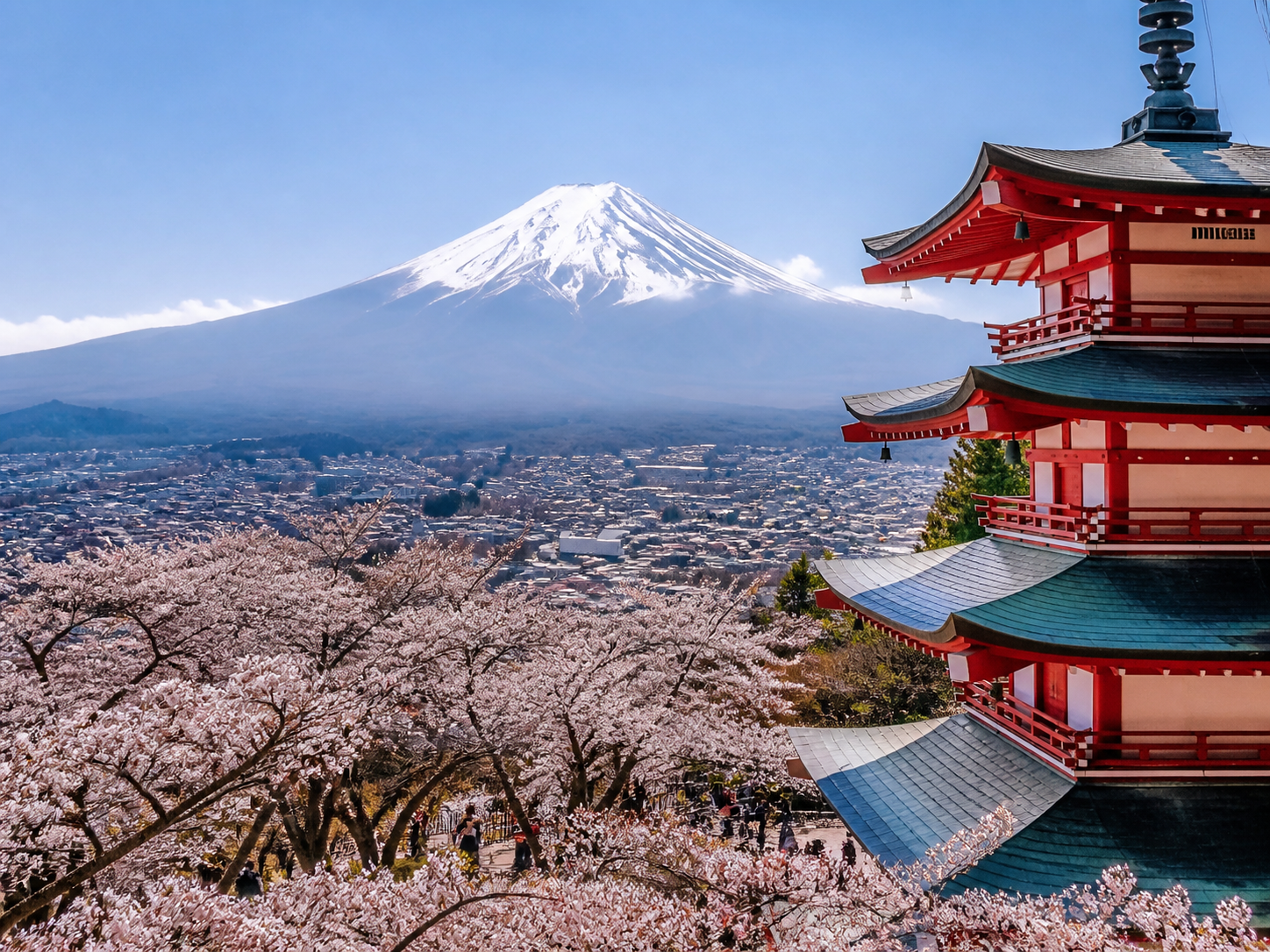
# Japan, the United States, and Spain: Three Brilliant Ways to Travel in 2026
Time Out’s 2026 travel picks put **Japan, the United States, and Spain** firmly on the radar, and after spending time in all three, I can see why. They offer completely different kinds of trips: Japan for quiet precision and deep tradition, the US for huge landscapes and road-trip freedom, and Spain for late dinners, sunny plazas, and wonderfully relaxed days.
Here’s how I’d plan each one without turning the trip into an exhausting checklist.
## The Vibe & When to Go
### Japan: calm, curious, and wonderfully easy to get lost in
Japan can feel almost dreamlike at first. One minute you’re in a silent temple garden; the next, you’re surrounded by neon, vending machines, and busy train platforms. The food is excellent at every price level, and even large cities have peaceful corners.
For 2026, I’d aim for:
– **Late March to May:** Beautiful spring weather, though cherry blossom weeks are busy and expensive.
– **October to November:** My favorite period, with crisp air and autumn color.
– **June to early September:** Hot, humid, and rainy in parts of the country. Hokkaido is a good summer escape.
– **Winter:** Great for skiing, hot springs, and fewer crowds outside the major cities.
### United States: big, varied, and best taken at your own pace
The US is less a single travel experience than a collection of them. New York feels nothing like New Mexico, and the beaches of California are worlds away from the forests of Oregon. I love that you can build a trip around food, music, national parks, history, or simply driving with the windows down.
The best timing depends on your route:
– **April to June:** Excellent for many cities and national parks before peak summer crowds.
– **September to October:** Warm days, fewer families on the road, and beautiful fall scenery in the north and east.
– **July and August:** Great for coastal trips and mountain areas, but very hot in the Southwest and South.
– **Winter:** Lovely in Florida, California, and the desert; snowy and difficult in much of the northern half of the country.
### Spain: sociable, sunny, and made for slow evenings
Spain is the country where I most easily lose track of time. Lunch stretches longer than planned, people gather in the streets late into the evening, and a short walk often turns into a stop for coffee, vermouth, or something fried.
Good months to visit are:
– **April to June:** Warm without the harshest summer heat.
– **September and October:** Still lively, with pleasant temperatures and fewer crowds.
– **July and August:** Excellent for beaches and islands, but inland cities such as Seville, Córdoba, and Madrid can be extremely hot.
– **November to February:** Mild in much of the south, cooler in the north, and quieter almost everywhere.
## Must-See Spots: My Top Picks
## Japan
### 1. Tokyo beyond Shibuya Crossing
Shibuya is fun once, but my favorite Tokyo days happen in neighborhoods such as **Yanaka, Koenji, Kiyosumi-Shirakawa, and Kuramae**. Yanaka has old wooden houses and small temples, while Koenji is better for vintage shops, tiny music bars, and a less polished view of the city.
I usually buy a convenience-store breakfast, find a quiet park, and let the day unfold instead of trying to see ten districts in one afternoon.
### 2. Kyoto early in the morning
Kyoto’s famous temples can be crowded, especially around Kiyomizu-dera and Arashiyama. Go early—really early—and you’ll have a much calmer experience. I particularly like **Kennin-ji**, **Shisen-do**, and the lanes around **Demachiyanagi**.
For Arashiyama, arrive before 8 a.m., then walk beyond the bamboo grove toward the quieter hills. Alternatively, spend the day in northern Kyoto, where the temples feel more peaceful and less photographed.
### 3. A night in Osaka
Osaka is louder, messier, and more relaxed than Kyoto. It’s also one of the best places in Japan for casual eating. Try takoyaki, okonomiyaki, kushikatsu, and late-night noodles around **Namba** and **Tenma**.
I prefer wandering the back streets around **Hozenji Yokocho** rather than spending the entire evening along the busiest section of Dotonbori. The tiny restaurants there often have only a few seats, so be ready to share a counter with strangers.
### 4. A slower stop in Kanazawa or Takayama
If your schedule allows, add a smaller city. **Kanazawa** has a beautiful garden, traditional tea districts, excellent seafood, and fewer crowds than Kyoto. **Takayama** offers mountain scenery, old streets, and a good base for visiting nearby villages.
These stops make the trip feel less like a race between Tokyo and Kyoto.
## United States
### 1. New York City, one neighborhood at a time
New York is tiring in the best possible way. I’d avoid cramming every landmark into one day and instead choose a few areas: the Lower East Side for food, Greenwich Village for wandering, Brooklyn Heights for views, and Harlem for music and restaurants.
Take the subway, wear comfortable shoes, and plan around meals. A slice of pizza, a bagel, and a late dinner can be as memorable as a museum visit.
### 2. A national park with proper time to breathe
The US national parks are spectacular, but they need planning. **Zion, Yosemite, Grand Canyon, Yellowstone, and Acadia** are all popular and can have parking restrictions, timed entry, or limited accommodation.
My advice is to stay at least three nights near one park instead of trying to visit four in a week. Start hikes early, carry more water than you think you need, and never underestimate driving distances.
### 3. New Orleans for food, music, and atmosphere
New Orleans has a personality unlike anywhere else in the country. Spend time beyond Bourbon Street: listen to live music on **Frenchmen Street**, eat a po’boy, visit the Garden District, and take a streetcar to see the city at a slower pace.
The heat can be intense, so I like walking early, resting in the afternoon, and going back out after sunset.
### 4. California’s coast
A coastal drive from **San Francisco to Big Sur and Los Angeles** remains one of my favorite American journeys. The scenery changes constantly, from cool fog to sunny cliffs and redwood forests.
Book accommodation early, check road closures before leaving, and don’t assume you can cover the whole coastline in a single day. The best stretches are the ones where you stop at a small beach, viewpoint, or roadside café with no plan at all.
## Spain
### 1. Madrid’s neighborhoods and long dinners
Madrid is easy to enjoy without a strict itinerary. I like starting near **Retiro Park**, walking through the Literary Quarter, and ending around **La Latina** or Chamberí.
Visit the major museums if you love art, but leave room for simple pleasures: a tortilla sandwich, a vermouth at the bar, or sitting in a sunny plaza while locals meet friends.
### 2. Seville at a gentler pace
Seville’s tiled courtyards, orange trees, and late-night energy are hard to resist. The Alcázar and Plaza de España deserve a visit, but I also recommend wandering **Triana**, visiting the market, and taking a quiet walk along the Guadalquivir River.
In summer, do sightseeing early and keep the middle of the day slow. The heat is not something to casually ignore.
### 3. Barcelona beyond the headline sights
Barcelona’s Sagrada Família and Park Güell are remarkable, but the city becomes more enjoyable once you move away from the busiest routes. Try **Gràcia**, **Poble-sec**, and parts of **Sant Antoni** for local restaurants, bakeries, and evening walks.
Reserve major attractions in advance, and keep your phone and wallet secure in crowded areas, particularly on the metro and around Las Ramblas.
### 4. A smaller coastal or northern escape
For a different side of Spain, visit **San Sebastián**, **Cádiz**, **Girona**, or the Costa Brava. San Sebastián is a dream for pintxos, while Cádiz has a relaxed seaside feel and excellent seafood.
These places are especially appealing in September, when the water is still warm but the peak summer rush has eased.
## Practical Travel Advice
## Getting There & Visa
### Japan
Many travelers from the US, Canada, the UK, Australia, New Zealand, and several European countries can enter Japan visa-free for short tourist stays, commonly up to 90 days. Requirements depend on your passport, so check Japan’s official immigration website before booking.
Complete the online arrival and customs details through **Visit Japan Web** before flying if the system is available for your trip. Tokyo, Osaka, and Nagoya usually offer the widest range of international flights. If fares are high, compare flights into Osaka with Tokyo and look at open-jaw tickets.
### United States
Most visitors from Visa Waiver Program countries need an approved **ESTA** before boarding a flight to the US. Other nationalities may need a visitor visa. ESTA approval is not automatic permission to enter, and your passport and travel history can affect eligibility.
Flights are often cheaper if you compare nearby airports. For New York, check JFK, Newark, and LaGuardia. In Los Angeles, compare LAX with surrounding airports only if the transfer cost makes sense.
### Spain
Spain is part of the **Schengen Area**. Travelers from many countries can visit visa-free for up to 90 days within a 180-day period, while others must apply for a Schengen visa. The planned European travel authorization system, **ETIAS**, may affect visa-exempt visitors once it becomes operational, so check the official EU website close to your departure date.
Madrid and Barcelona have the biggest flight networks, but Málaga, Valencia, Seville, Bilbao, and Alicante can be useful entry points depending on your route.
## Where to Stay
### Japan
– **Tokyo:** Shinjuku for transport and nightlife, Ueno for museums and value, Asakusa for a calmer traditional feel, and Shimokitazawa for cafés and independent shops.
– **Kyoto:** Downtown Kawaramachi for convenience, Gion for atmosphere, and Kyoto Station for easy train connections.
– **Osaka:** Namba for food and nightlife, Umeda for transport, and Tennoji for a slightly less tourist-heavy base.
### United States
– **New York:** Greenwich Village or the Lower East Side for atmosphere, Midtown for convenience, and Brooklyn Heights or Williamsburg for a different city feel.
– **Los Angeles:** Santa Monica for beach access, Los Feliz for a neighborhood vibe, and West Hollywood for restaurants and nightlife.
– **New Orleans:** The French Quarter is convenient and lively, while the Garden District is quieter and more residential.
– **National parks:** Stay near the entrance if hiking is the main reason for your visit. The extra cost can save hours of driving.
### Spain
– **Madrid:** Centro for first-time visitors, Malasaña for nightlife, and Chamberí for a more local feel.
– **Barcelona:** Eixample for architecture and transport, Gràcia for independent cafés, and Poblenou for a quieter beachside base.
– **Seville:** Santa Cruz is atmospheric, while Alameda and Triana offer more everyday restaurants and bars.
– **San Sebastián:** Stay close to the Old Town for pintxos, but book early during summer and festival periods.
## Getting Around
Japan has some of the world’s best public transportation. Trains and metros are fast and reliable, though major stations can be confusing at first. Use an **IC card** such as Suica, Pasmo, or ICOCA where available. Don’t automatically buy a nationwide rail pass; compare individual tickets first, as prices and pass rules have changed.
In the US, public transit is excellent in New York, Chicago, Boston, Washington, DC, and San Francisco, but a car is often necessary elsewhere. Uber and Lyft are widely used. For road trips, check parking fees, tolls, fuel prices, and one-way rental charges before committing.
Spain is easy to travel by train. Renfe connects major cities, and high-speed routes can be surprisingly affordable when booked early. In cities, walk whenever possible and use the metro or buses. Uber and Cabify operate in some areas, but local taxi apps and regular street taxis may be more reliable depending on the city.
## Real Costs & Local Tips
Prices vary by season and city, but these are reasonable daily estimates for one traveler, excluding international flights.
### Japan
– **Budget:** ¥8,000–¥14,000 per day
Hostel bed, convenience-store meals, inexpensive restaurants, public transport, and a few paid sights.
– **Mid-range:** ¥20,000–¥35,000 per day
Private hotel room, sit-down meals, trains between cities, and several attractions.
### United States
– **Budget:** US$80–$140 per day
Hostel or basic room, cheap meals, public transit, and limited paid attractions. This is difficult in expensive cities.
– **Mid-range:** US$180–$320 per day
Comfortable hotel, restaurant meals, local transport or occasional rideshare, and activities. A rental car, parking, and national park lodging can push this much higher.
### Spain
– **Budget:** €45–€80 per day
Hostel, bakery or market meals, public transit, and a few low-cost attractions.
– **Mid-range:** €110–€190 per day
Comfortable hotel, tapas or restaurant meals, intercity trains, and regular sightseeing.
### Currency and tipping
– **Japan:** Japanese yen. Tipping is generally not expected and can confuse staff. A polite thank-you is enough.
– **United States:** US dollars. Tip around 18–22% in sit-down restaurants, and remember that tax is often added after the listed price. Check whether a service charge has already been included.
– **Spain:** Euros. Tipping is modest and optional. Rounding up or leaving a few euros for good service is usually plenty.
### Small tricks that save money and hassle
1. **Eat your main meal at lunchtime.** In Spain, many restaurants offer a menú del día with several courses and a drink for much less than dinner prices. In Japan, lunch sets are also excellent value.
2. **Use supermarkets and convenience stores wisely.** Japanese convenience stores have surprisingly good rice balls, sandwiches, salads, and hot snacks. In Spain, local bakeries and markets are usually cheaper than cafés beside major sights.
3. **Book popular attractions early, but don’t book every hour.** Japan’s busiest trains, Spanish high-speed rail, US national park permits, and major museum time slots can sell out. Leave open space around them so one delay doesn’t ruin your day.
4. **Look beyond the obvious neighborhood.** Staying one or two metro stops away from the main attraction can cut accommodation costs considerably. In the US, compare hotel parking fees before choosing a room that appears cheap.
5. **Carry a refillable bottle and small cash.** Japan still has places that prefer cash, Spain’s small bars may have minimum card payments, and US bottled water near attractions can be absurdly expensive.
For a first trip in 2026, I’d choose **Japan for the most distinctive cultural experience, Spain for an easygoing food-and-city break, and the United States for a bigger trip built around landscapes or a road route**. None of them needs to be rushed. The moments I remember best were usually the unplanned ones—a tiny noodle shop, a quiet side street, or a view I only found because I took the wrong turn.
KEYWORDS: Japan travel, Spain travel