
# India Right Now: Big Crowds, Brilliant Food, and How to Travel Smart
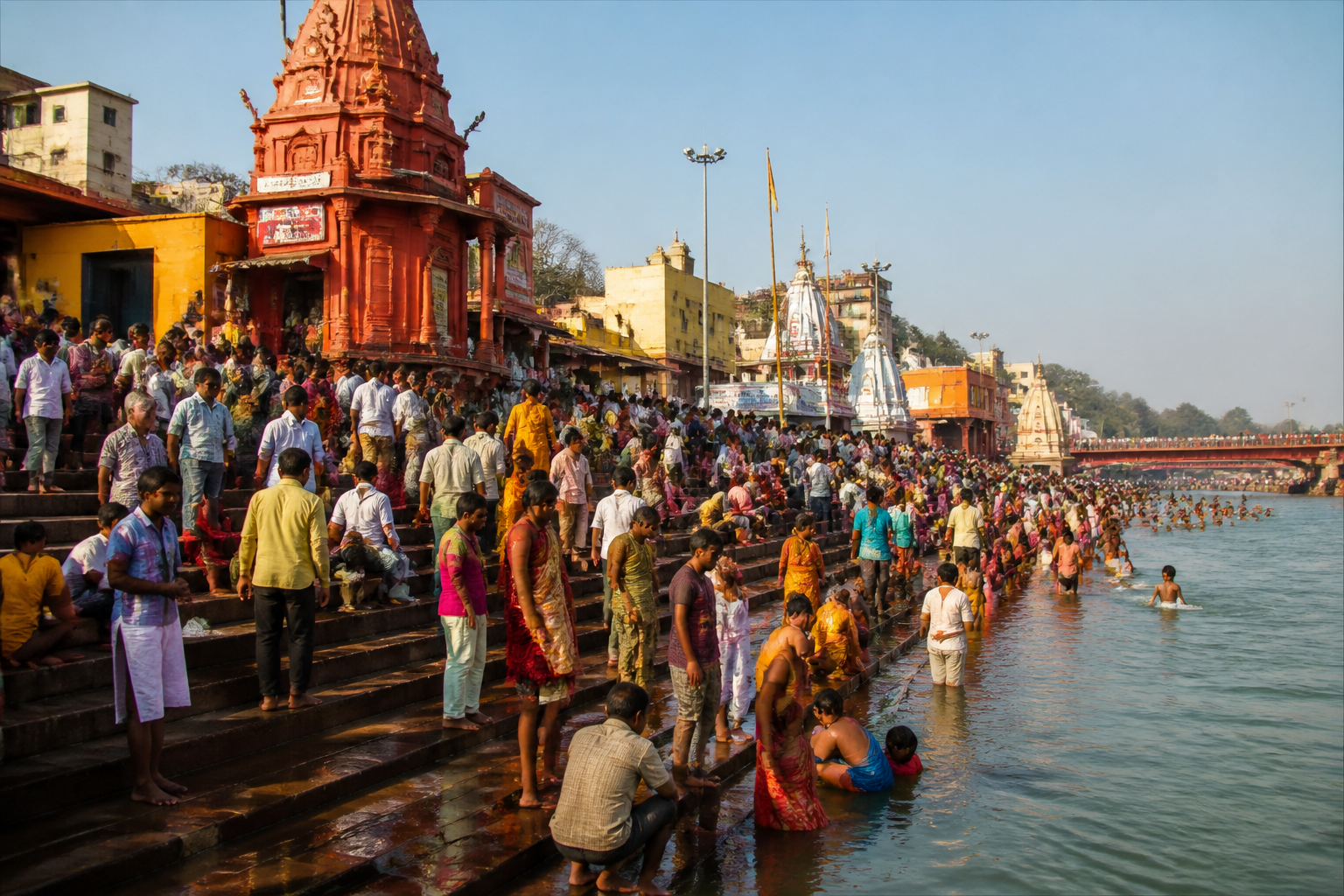
India is having a huge domestic travel moment. More Indians are flying, taking weekend breaks, booking heritage hotels, and visiting the country’s famous landmarks than ever before. That energy is exciting—but for international travelers, it can also mean packed monuments, sold-out trains, rising hotel prices, and a little less quiet than the guidebooks promise.
I’ve found that India is still an extraordinary place to travel, especially if you plan around the crowds rather than fighting them. Go early, stay flexible, and give yourself time to enjoy the ordinary scenes between the headline attractions.
## The Vibe & When to Go
At the moment, much of northern India is moving from the cooler winter season into warmer spring. Delhi, Agra, Jaipur, and Rajasthan can have pleasant mornings but hot afternoons, while southern cities such as Kochi, Goa, and Chennai are generally warmer and more humid. By May and June, the heat becomes serious in many parts of the country.
The most comfortable broad travel season is usually **October through March**. December and January bring the largest crowds around Christmas, New Year, school holidays, and popular festivals. February and early March often give you a pleasant balance of manageable weather and slightly calmer streets.
The domestic tourism boom is most obvious at places such as the Taj Mahal, Jaipur’s forts, Goa’s beaches, and mountain towns in Himachal Pradesh and Uttarakhand. Indian families often travel in large groups, and long weekends can transform a quiet attraction into a queue-filled spectacle.
That doesn’t make India less enjoyable. It simply means you should book trains and hotels early, visit famous sights at opening time, and leave room in your itinerary for slower days.
## Must-See Spots: My Top Picks
### 1. Delhi’s Old City and quieter corners
Delhi can feel overwhelming during the first few hours, but it rewards patience. I like beginning around Jama Masjid before the streets become too crowded, then wandering through the lanes of Old Delhi with a trusted food guide.
Try a small plate of **parathas**, kebabs, or jalebi, but don’t treat every street stall as automatically safe. Choose places busy with local families and where the food is cooked in front of you.
For a calmer side of Delhi, visit **Humayun’s Tomb** early, then spend time around Lodhi Garden. The garden is especially pleasant in the morning, when residents walk, exercise, and picnic under the trees. It feels much more like a living city than a list of monuments.
### 2. The Taj Mahal, before breakfast
The Taj Mahal is famous for good reason, but the experience changes completely depending on when you arrive. I would aim for the first entry slot and get there before sunrise if possible. The light is soft, the marble looks cooler and more delicate, and you have a better chance of taking in the building without hundreds of people around you.
Agra itself deserves more than a quick overnight stop. Visit **Agra Fort**, and consider Mehtab Bagh across the Yamuna for a distant view of the Taj. The city is busy and sometimes rough around the edges, but its food—especially petha sweets and Mughlai dishes—makes staying a little longer worthwhile.
### 3. Jaipur beyond the Amber Fort
Jaipur’s **Amber Fort** is spectacular, but it gets crowded quickly. Go early, and skip the elephant rides. A private guide can help you understand the palace’s water systems, courtyards, and painted rooms instead of simply leading you from photo stop to photo stop.
Back in the city, I prefer wandering around the flower and vegetable markets near the old town in the morning. The **City Palace** and **Hawa Mahal** are central, but the best moments often happen in the lanes behind them: textile shops, tiny tea stalls, and workshops where artisans are still working by hand.
For sunset, the hilltop **Nahargarh Fort** has broad views over Jaipur. Traffic can be slow, so leave earlier than you think.
### 4. Kerala for a slower change of pace
If the crowds in the Golden Triangle begin to wear you down, Kerala is a wonderful reset. Kochi has colonial streets, seafood restaurants, art spaces, and a more relaxed rhythm. I enjoy walking around **Fort Kochi** in the early morning, before the heat builds, then taking a ferry instead of relying only on taxis.
The backwaters around Alappuzha are beautiful, but large houseboats can be expensive and crowded. A smaller boat, canoe trip, or village tour often feels more personal. Kerala is also a good place to slow down for several days rather than changing hotels every night.
## Practical Travel Advice
### Getting There & Visa
Most international travelers arrive through **Delhi, Mumbai, Bengaluru, or Chennai**. Delhi is convenient for the Taj Mahal, Jaipur, and northern India. Mumbai works well for western India and Goa. Bengaluru is useful for southern itineraries.
Many passport holders can apply for an **Indian e-Visa** online before arrival. Requirements and eligible nationalities change, so use the official Indian government visa website rather than a third-party agency. Your passport will generally need at least six months of validity and spare pages. Check the visa type carefully—tourist, business, medical, and conference visas have different rules.
Book flights with enough connection time. Indian airports can involve long walks, security checks, and traffic delays outside the terminals. If you are connecting between separate tickets, I would avoid a tight schedule.
### Where to Stay
– **Delhi:** Connaught Place is central and convenient; South Delhi is calmer and has better cafés; Paharganj is cheaper but noisy and chaotic.
– **Agra:** Stay near Taj East Gate for early access, or choose a quieter hotel with a rooftop view.
– **Jaipur:** The old city is atmospheric but busy. C-Scheme has better restaurants and a more comfortable evening scene.
– **Mumbai:** Colaba is handy for first-time visitors, while Bandra is livelier and more modern.
– **Kochi:** Fort Kochi is best for character and walking; Ernakulam has more practical transport links and business hotels.
During Diwali, Christmas, New Year, Holi, and major school holidays, book several weeks ahead. Popular Indian destinations can fill up quickly, particularly on long weekends.
### Getting Around
India is not consistently walkable, though individual neighborhoods can be. Delhi’s metro is fast, affordable, and often easier than sitting in traffic. Jaipur and Mumbai also have useful public transport, but many visitors still rely on app-based rides.
**Uber and Ola** are widely used in major cities. Prices can change during busy periods, and drivers may call to ask where you are standing. Meet them at a clear pickup point and confirm the vehicle number.
For longer journeys, trains are often the most memorable and practical option. Book through the official railway system or a reputable travel company, and reserve early for popular routes. A private car with a driver can save time in Rajasthan or between Delhi, Agra, and Jaipur, especially if you are traveling with luggage.
## Real Costs & Local Tips
Prices vary sharply by city and season, but these are reasonable daily estimates for one person:
– **Budget travel:** ₹2,500–₹4,500 per day
Simple guesthouse, local meals, public transport, and a few paid attractions.
– **Mid-range travel:** ₹7,000–₹15,000 per day
Comfortable hotel, restaurant meals, app taxis, guides, and regular sightseeing.
Luxury hotels and private drivers can push that number much higher.
India uses the **Indian rupee (INR)**. Cards work at better hotels, shopping centers, and established restaurants, but cash remains useful for street food, small shops, taxis, and entrance fees. UPI payments are everywhere, although setting it up can be difficult for visitors without an Indian bank account.
Tipping is not compulsory, but it is appreciated. Around **5–10% in restaurants** is fair when service is not already included. For porters, drivers, and guides, a modest tip is customary if they have been helpful.
A few things that saved me money and frustration:
– **Buy monument tickets online or at official counters.** Unofficial “guides” near entrances often charge inflated prices.
– **Use a hotel, café, or metro station as your rideshare pickup point.** It is easier than trying to locate a driver in a noisy traffic circle.
– **Carry small notes.** Vendors may claim they have no change, and digital payments do not work everywhere.
– **Avoid packing every day with major sights.** Domestic crowds, traffic, and queues can make a simple sightseeing day surprisingly tiring.
– **Be cautious with shopping recommendations from drivers.** If you want textiles, jewelry, or handicrafts, ask your hotel for an independent shop and compare prices.
India’s tourism boom has made some places busier and more expensive, but it has also brought new hotels, better transport links, and a lively sense that people are traveling to enjoy their own country. The trick is not to chase a perfectly empty India—it does not really exist at the famous sights anymore. Go early, stay curious, and leave time to sit with a cup of chai while the city carries on around you.
KEYWORDS: India travel, Taj Mahal