
# Canaan Valley, West Virginia: Mountain Views, Local Flavor, and a Community Facing Big Changes
## The Vibe & When to Go
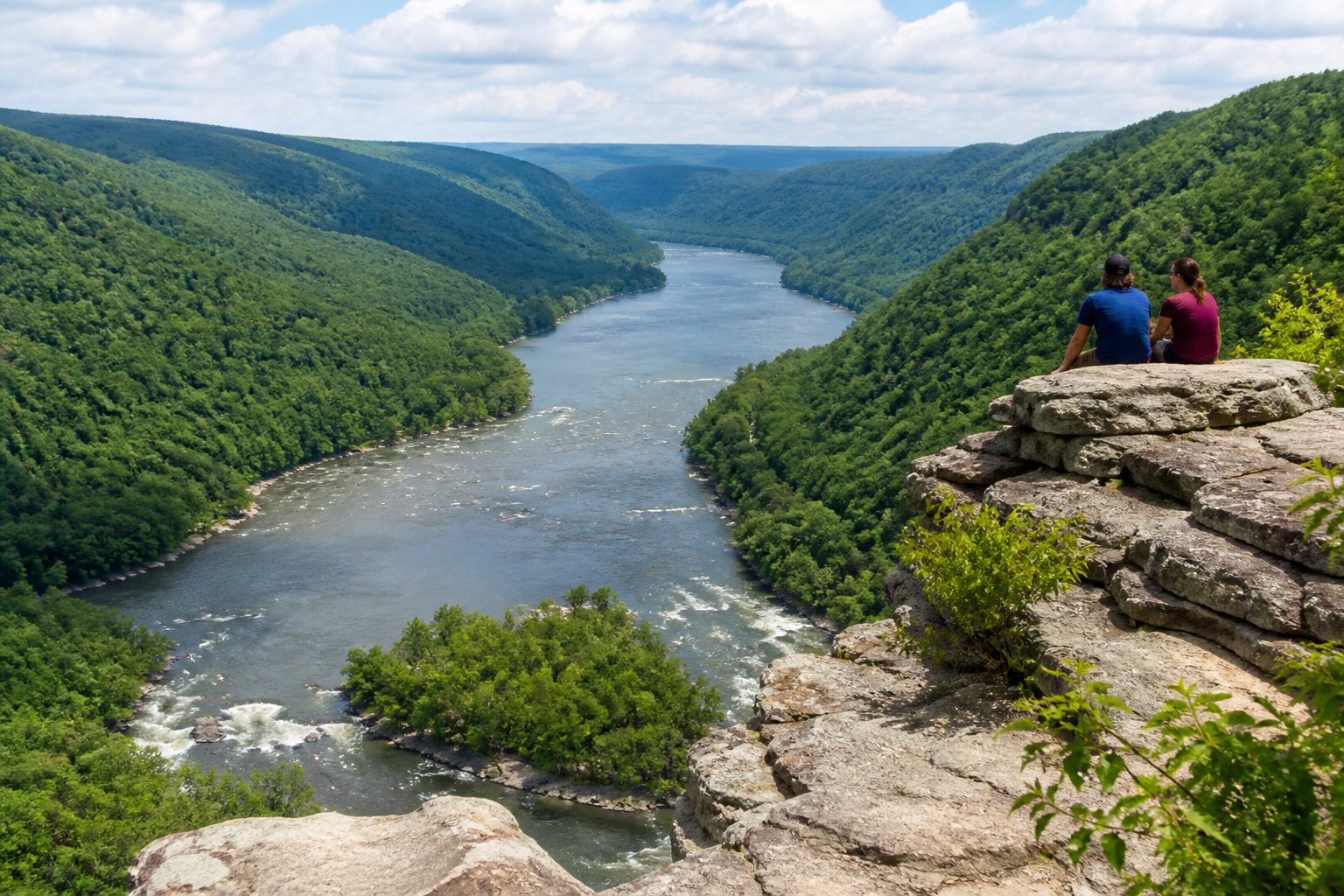
Canaan Valley feels wonderfully unhurried. The roads open into wide mountain meadows, black spruce forests, and long views that seem almost too big for such a quiet place. Davis and Thomas, the nearest small towns, add a little personality: coffee shops, art galleries, old storefronts, music, and a handful of relaxed places to eat.
I visited during the spring shoulder season, when the mornings were cool and damp, the hills were beginning to green up, and the weather changed every few hours. Bring a waterproof jacket and shoes that can handle mud. Summer is the easiest season for hiking and paddling, while fall brings brilliant color and much busier weekends. Winter is beautiful but serious—snow tires or four-wheel drive can make a big difference.
What makes Canaan Valley especially interesting right now is the conversation happening among residents about data center development. Some people see the possibility of jobs, tax income, and new investment in a region that has struggled to keep young people nearby. Others worry about water use, power demand, traffic, noise, and the effect on the open mountain landscape that draws visitors in the first place.
As a traveler, I found it impossible to separate the scenery from that discussion. The valley is not just a pretty backdrop. It is where people live, work, farm, and raise families.
## Must-See Spots: My Top Picks
### 1. Canaan Valley National Wildlife Refuge
This is the place I would make time for even on a short visit. The refuge is broad and quiet, with wet meadows, forest edges, and a good chance of seeing hawks, deer, beavers, and waterfowl.
The landscape feels different from the steep-sided valleys elsewhere in West Virginia. It is open, expansive, and surprisingly fragile. I liked stopping often rather than trying to rush through on one long hike.
**Practical tip:** Go early in the morning for the best light and wildlife activity. After wet weather, some trails can be soft and muddy.
### 2. Blackwater Falls State Park
Blackwater Falls is the classic stop, and it deserves its reputation. The amber-colored water drops through a dark gorge surrounded by hemlock and spruce. There are several overlooks, so you do not have to commit to a long hike to enjoy it.
I preferred visiting on a weekday morning, when I could stand at the overlook without a crowd. If you have extra time, explore some of the surrounding trails instead of stopping only for a photograph.
**Practical tip:** The stairs and trails can be slippery. Wear shoes with real grip, especially in spring and fall.
### 3. Davis and Thomas
These two towns are close together but have different personalities. Davis is practical and outdoorsy, with places to rent gear, grab coffee, or refuel after a hike. Thomas has more of an arts-and-music feel, with galleries, small shops, and evening performances at the historic Purple Fiddle.
I enjoyed spending an afternoon without a strict plan—coffee in Davis, a drive through the valley, then dinner and live music in Thomas. Shop owners are often happy to suggest a trail or tell you which roads are worth exploring.
**Practical tip:** Many businesses have limited hours outside summer and fall. Check before making a special drive, particularly on Mondays and Tuesdays.
### 4. Dolly Sods Wilderness
Dolly Sods is one of the most unusual landscapes in the region, with open tundra-like ridges, twisted trees, rocky trails, and huge views. It can feel more like northern Canada than West Virginia.
The weather changes quickly up there. I have started hikes in sunshine and ended them in cold fog, so I would not head up without extra layers, food, water, and an offline map.
**Practical tip:** Some access roads are rough and seasonal. Check road conditions before leaving town, and do not count on a phone signal.
## Practical Travel Advice
### Getting There & Visa
Canaan Valley is easiest to reach by car. From Washington, D.C., the drive usually takes around three and a half to four hours, depending on traffic. Pittsburgh is roughly three hours away, while Charleston, West Virginia, is farther but still a possible starting point.
The nearest useful airports are generally:
– **Washington Dulles International Airport:** good flight selection and rental-car availability
– **Pittsburgh International Airport:** convenient for travelers coming from the north or Midwest
– **Charleston Yeager Airport:** smaller and closer to central West Virginia, but with fewer flights
Visitors from the United States do not need a visa to enter West Virginia. International travelers need the proper permission to enter the United States—often an ESTA under the Visa Waiver Program or a tourist visa. Check the current requirements for your passport before booking.
I would rent a car rather than rely on airport transfers. The last part of the journey is scenic but rural, and you will want your own vehicle once you start exploring trailheads and back roads.
### Where to Stay
– **Davis:** Best for outdoor access, casual restaurants, coffee, and a practical base
– **Thomas:** Best for art, music, and a more social evening atmosphere
– **Canaan Valley:** Best for cabins, quiet mornings, and easy access to the wildlife refuge and ski area
– **Parsons or nearby rural areas:** Often better for lower prices and a peaceful stay, though you will drive farther for meals
Cabins are popular, especially on fall weekends. I would book early if you want a kitchen, fireplace, or a place that allows dogs.
### Getting Around
You will want a car. There is little to no useful public transportation between the towns, parks, and trailheads. Rideshare service is limited and should not be treated as a dependable way to get home after dinner or a hike.
Fill your tank before heading into the more remote parts of the valley. Download maps in advance, keep a paper map in the glove box, and tell someone where you are going if you plan to hike alone.
## Real Costs & Local Tips
West Virginia is still fairly affordable compared with many mountain destinations, but popular weekends can raise prices.
### Typical Daily Budget
**Budget traveler: $75–$110 per person**
– Motel, hostel-style room, or shared cabin: $45–$70
– Simple meals and groceries: $20–$30
– Fuel and small entrance fees: $10–$20
**Mid-range traveler: $150–$240 per person**
– Private room or comfortable cabin: $90–$150
– Restaurant meals and coffee: $35–$60
– Fuel, park fees, and activities: $25–$40
The currency is the **U.S. dollar**. Credit cards are accepted in most established businesses, but I still carry cash for small cafés, trail donations, and places where the internet connection is unreliable.
For tipping, 15–20% is normal at sit-down restaurants. Tip bartenders around $1–$2 per drink, and give a few dollars per day to housekeeping if you are staying in a hotel or lodge.
### A Few Local Tricks
– **Visit midweek if you can.** Rooms are usually cheaper, restaurants are less crowded, and the trails feel much more peaceful.
– **Buy picnic supplies in Davis or another larger town before heading into the backcountry.** Options become limited once you leave the main roads.
– **Do not assume every trailhead has a restroom or water.** Carry what you need, especially in Dolly Sods and the wildlife refuge.
– **Ask local businesses about current road and trail conditions.** A map may show a route that is technically open but unpleasant or unsafe after storms.
– **Listen before forming an opinion about development.** Residents do not all see data centers the same way. Some welcome economic opportunities; others are concerned about water, power, land, and the character of the valley. Supporting locally owned shops and staying on marked roads is a small but meaningful way to travel with respect.
Canaan Valley is the kind of place that stays with you because it feels lived-in rather than manufactured. Come for the waterfalls and highland views, but leave room for the quieter parts: a conversation over coffee, a slow drive through the meadows, and a little thought about what kind of future should share this landscape.
KEYWORDS: Canaan Valley, West Virginia mountains