
# Egypt Beyond the Pyramids: My Favorite Places, Local Food, and Real Travel Tips
Egypt has been attracting more visitors again, and the country feels ready for them. Recent tourism figures reported by eTurboNews show growth of about **4%**, while hotels, airports, and major transport hubs are preparing for even more travelers.
I noticed the change during my last visit: more polished airport services in the main tourist areas, plenty of new hotel options, but still the same wonderfully chaotic streets, strong coffee, generous smiles, and ancient places that make you stop talking for a while.
## The Vibe & When to Go
Egypt is intense in the best and most tiring ways. Cairo is loud, dusty, crowded, and full of life. Luxor feels slower, with donkey carts, felucca boats, and archaeological sites appearing around ordinary neighborhoods. By the Red Sea, the mood changes completely—sunny, relaxed, and built around the water.
The most comfortable travel season is generally **October through April**, when daytime temperatures are pleasant for sightseeing. December to February can be surprisingly cool at night, especially in Cairo and the desert. Summer, from June through August, brings serious heat. Luxor and Aswan can become exhausting by midday, though coastal resorts are easier to handle if you plan around the heat.
Egypt is particularly appealing right now because new and expanding hotels mean more choice across different budgets. Airport improvements are also being planned as visitor numbers rise, although I still recommend allowing extra time for security, baggage collection, and traffic.
## Must-See Spots: My Top Picks
### 1. The Pyramids of Giza, Before the Crowds
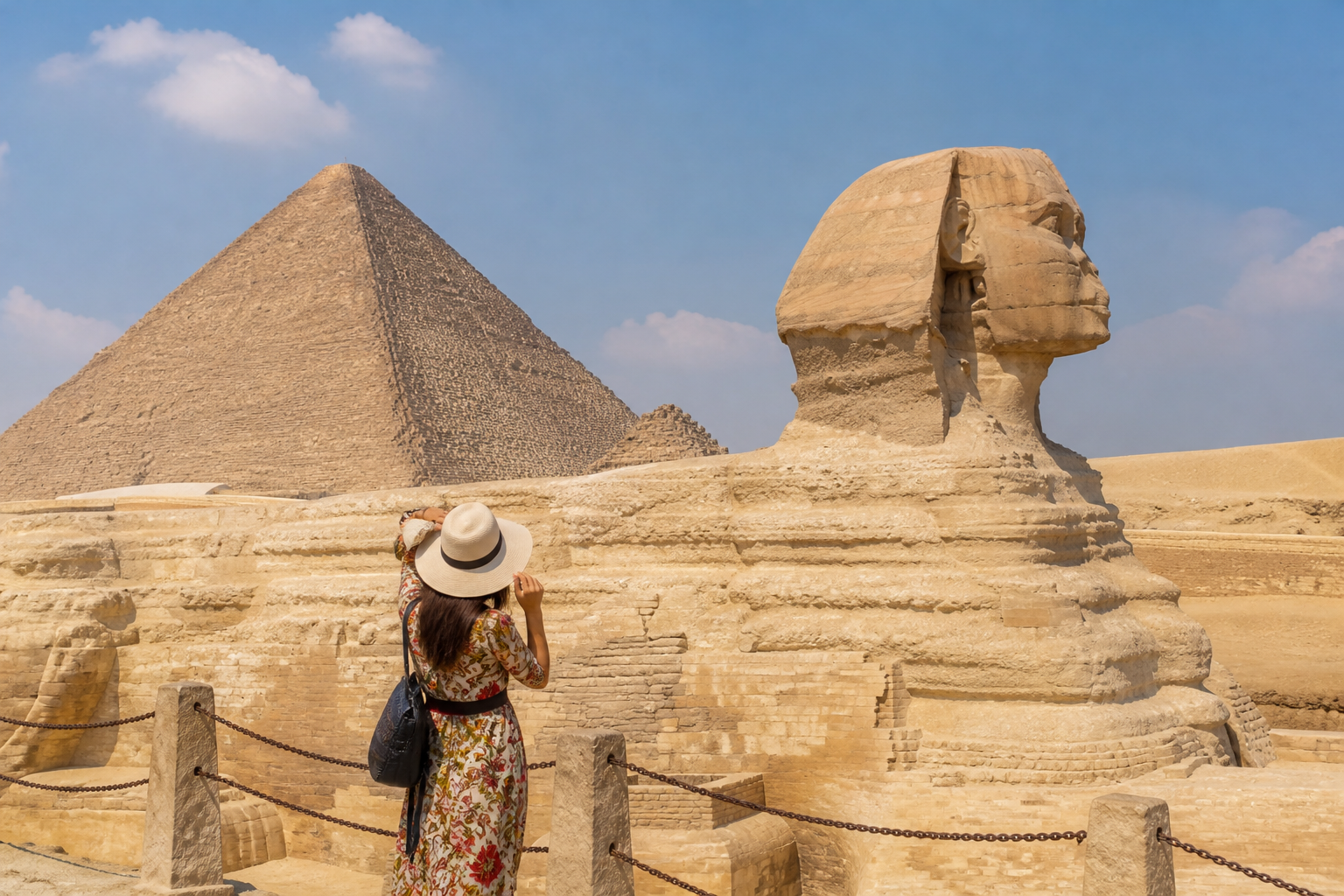
The pyramids are famous for a reason, but the experience depends heavily on timing. I arrived shortly after opening and had a much calmer visit than friends who came late morning. The light was soft, the desert air was cool, and for a few minutes the site felt almost quiet.
Go inside at least one pyramid if you are comfortable with tight, steep passages. It is not a relaxing climb, but it gives you a better sense of the engineering involved. Afterward, walk toward the quieter edges of the plateau for views back toward the pyramids and the city.
A local guide can be helpful, but agree on the price before starting. Be cautious with anyone offering an unofficial “special entrance” or insisting that a certain route is closed.
### 2. Islamic Cairo and Al-Muizz Street
This was one of my favorite areas in Cairo. Al-Muizz Street is lined with old mosques, carved stone buildings, small workshops, and tea stalls. The architecture is beautiful, but daily life is what makes the walk memorable: shopkeepers calling out to one another, children racing through side streets, and the smell of grilled meat drifting from tiny restaurants.
Visit the **Al-Azhar Mosque** and the nearby **Khan el-Khalili** market, but do not rush through the bazaar with a shopping checklist. I preferred wandering the lanes just beyond the busiest stalls. For a calmer view, sit down with mint tea and watch the street rather than bargaining for souvenirs every five minutes.
Dress modestly in religious areas, and remove your shoes where requested.
### 3. Luxor at Sunrise and Sunset
Luxor is where Egypt really started to feel personal for me. The **Valley of the Kings** is best visited early, before the heat builds. The tombs are smaller and more atmospheric than many people expect, with painted walls that still look remarkably vivid.
On the east bank, see Karnak Temple early in the day, then return near sunset if your ticket allows. The columns take on a warm golden color, and the crowds thin out.
I also recommend crossing the Nile by local ferry instead of always using a private car. It is inexpensive, simple, and gives you a lovely view of the riverfront. A short felucca ride around sunset is another pleasant break from temples and tombs.
### 4. The Red Sea: Hurghada or Sharm El-Sheikh
If you want to slow down after Cairo and Luxor, the Red Sea is an easy addition. The water is clear, the snorkeling can be excellent, and many hotels offer day trips to reefs and small islands.
**Hurghada** is practical and usually offers a wider range of prices. **Sharm El-Sheikh** feels more resort-focused, with strong diving options and a more manicured atmosphere. I would choose Hurghada for a flexible, casual trip and Sharm for diving, beaches, and a proper resort stay.
Ask your hotel which boat operators they trust. The cheapest tour is not always the best value; crowded boats and rushed snorkeling stops can spoil an otherwise beautiful day.
## Practical Travel Advice
### Getting There and Visa
Most international visitors fly into **Cairo International Airport**, though Hurghada, Sharm El-Sheikh, Luxor, and sometimes Marsa Alam are useful arrival points depending on your itinerary.
Many nationalities can obtain:
– An **e-visa before travel**
– A **visa on arrival**, commonly around **US$25 for a single entry**
– A limited Sinai entry stamp in some resort areas, subject to restrictions
Rules vary by passport, so check the official Egyptian visa portal or your nearest Egyptian embassy before booking. Your passport should generally have at least six months of validity remaining, and immigration officials may ask for an onward or return ticket and hotel details.
For flights, compare Cairo with direct flights into Hurghada or Sharm El-Sheikh. Sometimes a slightly more expensive flight saves a long domestic transfer and a full day of travel.
### Where to Stay
**Cairo and Giza**
– **Downtown Cairo:** Best for museums, restaurants, and a central location. Busy and noisy, but convenient.
– **Zamalek:** Quieter, greener, and popular with travelers who want cafés, galleries, and a more relaxed evening.
– **Garden City:** Good for hotels and river views, with a calmer feel than central Cairo.
– **Giza:** Convenient for early pyramid visits, though traffic and restaurant choices can be less appealing than in central Cairo.
**Luxor**
Stay on the **East Bank** if you want restaurants, transport, and easy access to Karnak. Choose the **West Bank** for a peaceful guesthouse atmosphere and views of the hills.
**Red Sea**
Hurghada’s newer resort areas are comfortable but spread out. Choose a place near the restaurants and marina if you want to leave the hotel easily. In Sharm El-Sheikh, Naama Bay is lively, while quieter resort zones suit travelers focused on beaches and diving.
### Getting Around
Cairo is not very walkable over long distances. Traffic can turn a short journey into an hour, especially around Giza and central Cairo.
– Use **Uber or Careem** in Cairo and many tourist areas.
– Agree on taxi prices before getting in if you are using a street taxi.
– The Cairo Metro is cheap and useful on some routes, though it can be crowded.
– Domestic flights save time between Cairo and the southern cities.
– Trains between Cairo, Luxor, and Aswan can be memorable, but check schedules and class options carefully.
– In Luxor, taxis, hotel drivers, bicycles, and local ferries are all useful.
– For several temple visits in one day, hiring a driver for a fixed price is usually less stressful than negotiating every ride separately.
## Real Costs and Local Tips
Prices change quickly, but these are reasonable planning figures for one person, excluding international flights.
### Budget travel: around **US$35–60 per day**
This can cover:
– A hostel or simple guesthouse
– Local meals and street food
– Public transport and occasional rideshare trips
– A few paid sights, though major entrance fees may push the total higher
### Mid-range travel: around **US$80–150 per day**
This usually allows for:
– A comfortable hotel or well-reviewed guesthouse
– Restaurant meals
– Private transfers or occasional guides
– Several temple, museum, or monument tickets
Cairo, Luxor, and the Red Sea can have very different prices. Resort hotels often charge more for food and drinks, while local restaurants remain inexpensive away from the main tourist strips.
Egypt uses the **Egyptian pound (EGP)**. Keep small notes for bottled water, toilets, taxis, porters, and café service. Tipping is common, but it should reflect the service rather than pressure from someone who simply asks for money.
A few habits saved me both money and patience:
– **Carry small cash:** Many small shops and drivers cannot make change for large notes.
– **Buy water outside hotel areas:** Hotel minibars and resort shops can charge several times the local price.
– **Confirm every fare first:** This applies to taxis, horse carriages, camel rides, and short private tours.
– **Book major sights early in the day:** You avoid the worst heat, larger crowds, and some of the aggressive selling around entrances.
– **Eat where local families eat:** Busy neighborhood restaurants usually offer fresher food and better prices than restaurants directly beside major monuments.
– **Build in quiet time:** Egypt is tiring. A long lunch, a café break, or an afternoon at the hotel can make the next sightseeing day much more enjoyable.
Egypt is not always an easy destination, but that is part of its character. You may have to negotiate, cross a noisy street, rethink your schedule, and accept that a ten-minute journey can take forty. Then you turn a corner, see the Nile glowing at sunset, hear the call to prayer roll across the rooftops, or stand inside a 3,000-year-old tomb—and the effort suddenly feels worthwhile.
**KEYWORDS: Egypt pyramids**