
# New York City Right Now: A Canadian’s Honest Guide to Visiting the U.S.
Recent reports say many Canadians are still choosing to skip the United States, whether because of politics, border concerns, exchange rates, or simply a changed feeling about traveling south. I understand the hesitation. Before my last trip, I wondered whether New York would feel awkward or less welcoming.
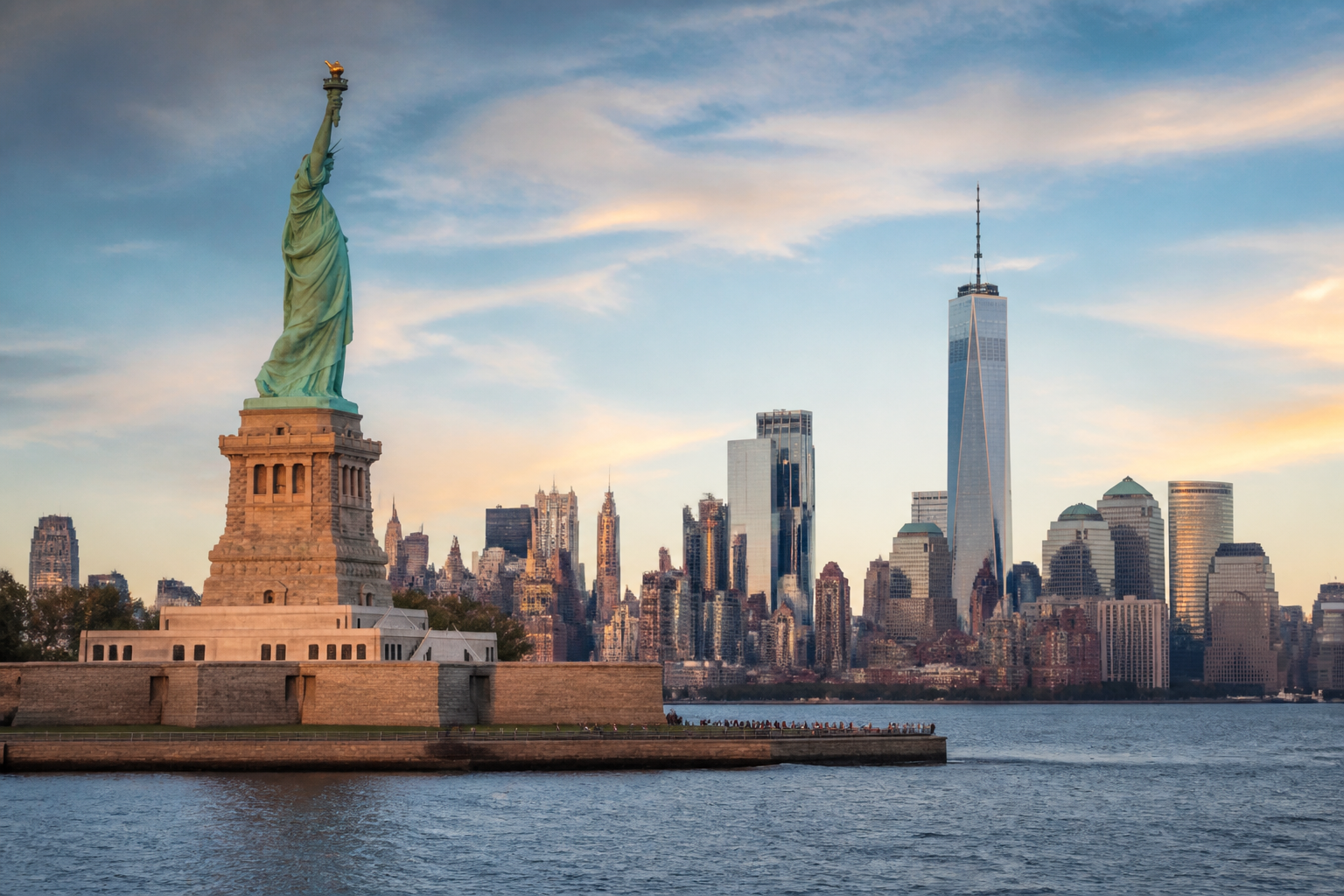
Instead, I found the city much as I remembered it: loud, funny, impatient, generous, and full of people getting on with their day. I did notice prices more than ever, and I was more careful about carrying the right documents and planning my route. But New York still gave me those small travel moments I love—a jazz trio playing outside a subway station, a perfect bagel eaten on a bench, and a sunset that made the whole skyline go quiet for a few minutes.
## The Vibe & When to Go
New York is intense in the best and worst ways. It can exhaust you before lunch, then reward you with an unforgettable meal or a beautiful walk when you least expect it. Every neighborhood has a different rhythm, from the polished streets of the Upper West Side to the noisy, creative corners of Brooklyn.
**Spring and fall are my favorite times to visit.** The weather is usually comfortable for walking, although spring showers can appear without much warning. Summer is hot, humid, and busy, while winter can be bitterly cold but brings cheaper hotel rates and a quieter feel after the holidays.
Right now, I would plan around outdoor walks, museums, neighborhood restaurants, and smaller attractions rather than trying to cram every famous sight into one weekend. New York rewards a slower pace more than people expect.
## Must-See Spots: My Top Picks
### 1. The High Line and Hudson River Park
The High Line is popular, but I still enjoy it—especially early in the morning before the crowds build. This old elevated railway gives you a different view of the city, with gardens, modern buildings, and glimpses into Chelsea apartments.
Rather than stopping at the crowded southern entrance, I like starting near Hudson Yards and walking south. When you reach the end, continue toward Hudson River Park. Grab a coffee, sit by the water, and watch the boats pass. It feels calmer than much of Manhattan.
**Tip:** Visit the nearby Chelsea Market for lunch, but compare prices before ordering. Some stalls are excellent; others charge more for a very ordinary sandwich.
### 2. Central Park Beyond the Usual Paths
Central Park is much more than a quick photo at Bethesda Fountain. I like wandering north toward the quieter paths around the Conservatory Garden and the Harlem Meer. The crowds thin out, and the city noise fades behind the trees.
On a sunny day, pick up a sandwich or something from a deli and have lunch on the grass. If you want to avoid the busiest areas, go on a weekday morning. Keep valuables close, especially around packed entrances and popular viewpoints.
### 3. The Lower East Side and Chinatown
This is where I go when I want to eat well without spending the cost of a restaurant tasting menu. The Lower East Side has old-school delis, bakeries, bars, and small music venues, while Chinatown offers dumplings, noodles, roast pork, and inexpensive bakeries.
I usually make an informal food walk: dumplings in Chinatown, a pastry or egg tart afterward, then a wander through the small streets toward the Lower East Side. You do not need a strict restaurant list. Some of my best meals have come from places with plain dining rooms and handwritten menus.
Go hungry, carry cash as a backup, and check whether a restaurant adds a service charge before tipping again.
### 4. Brooklyn Bridge at the Right Time
The Brooklyn Bridge is beautiful, but midday can feel like moving through a slow, crowded parade. I prefer crossing just after sunrise or later in the evening, when the light softens and the walkway is more manageable.
After crossing into Brooklyn, walk toward DUMBO and the waterfront. The famous Manhattan Bridge photo is nearby, but Brooklyn Bridge Park is the real reward. You can sit by the water with the skyline in front of you and take a breather before heading back into Manhattan.
## Practical Travel Advice
### Getting There and Visa Requirements
Canadian citizens generally do **not** need a visa for a short tourist visit to the United States. You should carry a valid Canadian passport, whether flying or crossing by land. Canadian permanent residents who are not Canadian citizens may need a visa or an ESTA, depending on their passport and circumstances.
A few important reminders:
– Check the latest entry rules before leaving, especially if you have dual citizenship or a criminal record.
– Have your accommodation address and return plans available.
– If driving, confirm your insurance coverage in the United States.
– NEXUS can make repeated border crossings much easier, but apply well ahead of your trip.
– Children need their own travel documents.
Flying into **JFK, LaGuardia, or Newark** can all work. I choose based on the fare and final neighborhood rather than assuming one airport is always best. LaGuardia is often convenient for Manhattan, while Newark can be practical for the west side of the city. Compare the full cost, including airport transfers.
### Where to Stay
**Midtown:** Convenient for first-time visitors and major sights, but busy and often expensive. Good if you want to be close to Broadway, Central Park, and museums.
**Upper West Side:** A more residential choice with lovely streets, cafés, and easy subway access. I like it for families and travelers who want a quieter evening.
**Lower East Side or East Village:** Best for restaurants, bars, and nightlife. Rooms can be smaller, and street noise is part of the deal.
**Brooklyn Heights or DUMBO:** Attractive, walkable, and close to waterfront views. Prices can be high, but the area feels less frantic than Midtown.
**Long Island City, Queens:** Often offers better hotel value while remaining a short subway ride from Manhattan. It is a sensible option if you care more about space and price than staying in the middle of the action.
### Getting Around
You can walk much of Manhattan, but do not underestimate the distances. A map may make two neighborhoods look close while the walk takes nearly an hour.
The subway is usually the fastest and cheapest way around. Use the **OMNY** contactless payment system with a compatible card or phone. The subway can look intimidating at first, but Google Maps or Citymapper makes route planning simple. Check the train direction carefully—uptown and downtown are not always obvious from street level.
Taxis are useful in bad weather or late at night. Uber and Lyft are widely available, though surge pricing can be surprisingly high. I avoid taking cars across Manhattan during rush hour unless I have a very good reason.
## Real Costs and Local Tips
The exchange rate can make New York feel painfully expensive for Canadians, especially once taxes and tips are added.
### Approximate Daily Budgets
**Budget traveler: US$90–150 per day**
– Hostel or basic shared accommodation
– Bagels, pizza, delis, and inexpensive takeout
– Subway travel
– Free parks, neighborhoods, and outdoor sights
– One modest paid attraction
**Mid-range traveler: US$220–400 per day**
– Comfortable hotel room shared by two people
– A mix of casual meals and one nicer dinner
– Subway plus the occasional taxi or rideshare
– Museum admission or another ticketed activity
– Coffee, drinks, and small purchases
Hotels can push these figures much higher, particularly on weekends and during major events. Always check whether the advertised room rate includes destination fees, taxes, and other charges.
The currency is the **U.S. dollar**. Credit cards are accepted almost everywhere, but I still carry a small amount of cash for food carts, small bakeries, and emergencies.
Tipping remains common:
– Restaurants: usually **18–22%** before tax
– Taxis and rideshares: around **15–20%**
– Hotel housekeeping: roughly **US$2–5 per night**
– Bar service: about **US$1–2 per drink**
### A Few Ways to Spend Less
– **Eat lunch instead of dinner at popular restaurants.** Many places offer a much better-value midday menu.
– **Use free museum hours carefully.** Some museums have pay-what-you-wish periods or free evenings, but tickets may still be required.
– **Buy breakfast from a deli or bakery.** A bagel, fruit, and coffee can cost far less than a hotel breakfast.
– **Avoid empty taxis near major attractions.** Walk a few blocks before requesting a rideshare; prices often drop outside the busiest zones.
– **Do not buy a sightseeing pass automatically.** Add up the individual attractions first. They are only useful if you plan to visit several expensive sites in a short period.
– **Check your credit card’s foreign transaction fees.** A no-fee card can save more than chasing a slightly cheaper hotel.
New York is not the easiest American destination to visit on a tight budget, and I understand why some Canadians are staying away for now. Still, if you decide to go, you do not need to pretend the concerns are not there. Travel thoughtfully, keep your documents in order, spend locally, and give yourself enough time to experience the city beyond its famous postcard views.
KEYWORDS: New York City skyline