
# Malta Beyond the Summit: Sea Views, Smart Travel Tips, and the Business of Belonging
Malta has a funny way of mixing the ancient with the very current. You can spend the morning walking past honey-colored stone buildings and Roman ruins, then find yourself in a hotel lobby discussing travel technology, loyalty programs, and international business over strong coffee.
That contrast came through clearly during the **WTTC Malta Summit**, where global tourism leaders gathered to talk about the future of travel. The Trip.com deal connected to the summit was a good example of how business relationships can turn into practical traveler benefits through membership—discounts, booking perks, and access to a much wider travel network. Still, I’d treat any membership offer as something to compare carefully with regular prices and read the terms before signing up.
For me, the bigger story was Malta itself: compact, sunny, historic, and easy to explore between meetings.
## The Vibe & When to Go
Malta feels lively without being overwhelming. Valletta is grand and compact, with steep streets, balconies painted in cheerful colors, and harbor views appearing at the end of unexpected lanes. Outside the capital, life slows down around village squares, fishing harbors, and quiet limestone churches.
The best times to visit are **April to June** and **September to October**. The days are usually warm, the sea is inviting, and you avoid the thickest summer crowds. July and August bring intense heat and busy beaches, but they’re still popular if swimming and late-night seaside dinners are your main plans.
Winter is mild compared with much of Europe. You may get rain and windy days, but you’ll also find cheaper rooms, quieter streets, and enough sunshine for long walks. I’d pack a light jacket in the cooler months and never underestimate the Mediterranean sun—even in spring.
## Must-See Spots: My Top Picks
### 1. Valletta’s Side Streets and Upper Barrakka Gardens
Valletta is small enough to explore on foot, but don’t rush through it. Start early, before the cruise-day crowds arrive, and wander beyond the main shopping streets.
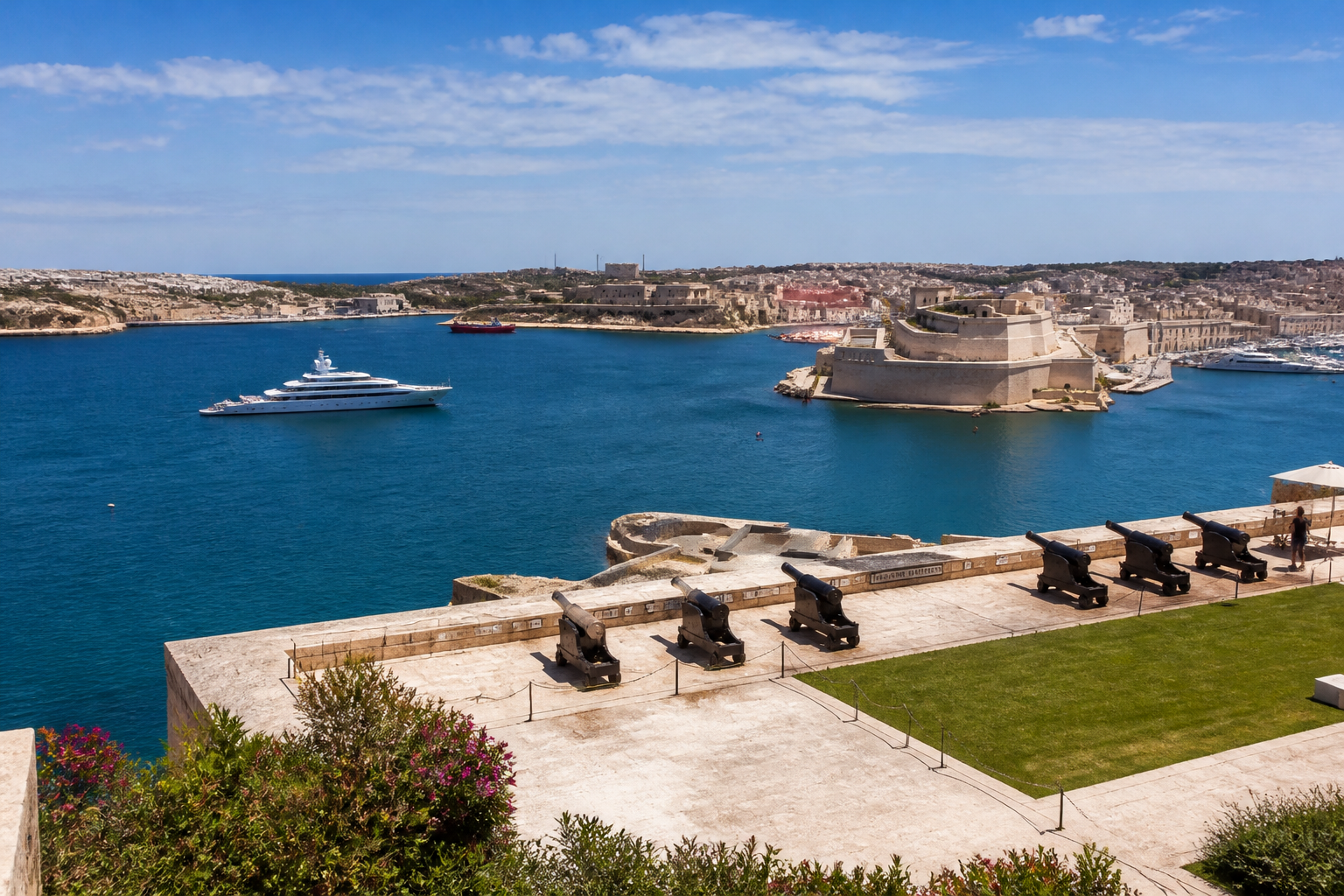
The **Upper Barrakka Gardens** give you one of the best views over the Grand Harbour. I like arriving before breakfast, when the benches are quiet and the light catches the old fortifications across the water.
Afterward, walk through the side streets around Strait Street and the residential lanes near St. Paul’s. Look up at the enclosed wooden balconies and pause at a small café for a pastizz—a flaky pastry filled with ricotta or peas. It’s cheap, filling, and far more satisfying than grabbing a packaged snack between attractions.
### 2. Mdina After the Day Trippers Leave
The old city of **Mdina** is often called the Silent City, and the name makes sense once the tour groups disappear. Go late in the afternoon and stay into the evening. The limestone walls turn golden as the sun drops, and the narrow lanes become wonderfully peaceful.
The cathedral is impressive, but my favorite part is simply walking without a fixed route. From the city walls, you can see much of Malta’s dry, rolling landscape. Wear shoes with good grip—the polished stone streets can be slippery.
If you want dinner nearby, Rabat has more relaxed restaurants and cafés than Mdina itself. Try local dishes such as rabbit stew, ftira, or bigilla, a savory bean spread served with bread.
### 3. The Three Cities
Across the harbor from Valletta, **Vittoriosa, Senglea, and Cospicua** offer a quieter look at Malta. Vittoriosa, also called Birgu, has pretty waterfront paths, old fortifications, and lanes that feel more residential than theatrical.
I enjoyed taking a ferry across rather than using a road taxi. The short boat ride gives you a beautiful view back toward Valletta, especially near sunset.
Spend time around the marina, then wander inland. You’ll see laundry hanging from balconies, locals chatting outside doorways, and small streets where everyday Malta is more visible than in the capital’s busiest areas.
### 4. Gozo for a Slower Day
If you have at least four days, take the ferry to **Gozo**. The crossing from Ċirkewwa is straightforward, and you can bring a car or use buses and taxis once there.
Gozo feels greener and calmer than Malta, with small villages, red-gold cliffs, and a slower pace. Visit the **Citadel in Victoria**, then head toward the coast for dramatic views around Dwejra or the salt pans near Marsalforn.
Public buses work, but renting a car gives you much more freedom. Roads can be narrow, and driving is on the left, so take your time rather than trying to cover the whole island in one day.
## Practical Travel Advice
### Getting There & Visa
Malta’s main airport is **Malta International Airport**, just outside Valletta. There are direct flights from many European cities, and connections through hubs such as London, Rome, Frankfurt, Paris, and Istanbul are common.
Malta is part of the **Schengen Area**. Citizens of the European Union, European Economic Area, and Switzerland can enter with a valid identity card or passport. Many other visitors can enter visa-free for up to 90 days within a 180-day period, while some nationalities need a Schengen visa.
Rules can change, so check Malta’s official immigration guidance or your nearest Maltese embassy before booking. Your passport should generally be valid for at least three months beyond your planned departure from the Schengen Area.
For flights, I’d compare fares from Malta as well as nearby larger airports. A slightly longer connection can save a surprising amount, especially outside summer.
### Where to Stay
– **Valletta:** Best for history, restaurants, harbor views, and walking everywhere. Rooms can be small and prices rise quickly during conferences and major events.
– **Sliema:** Practical for longer stays, shopping, ferries, and a wider range of apartments. It feels busier and more modern than Valletta.
– **St. Julian’s:** Good for nightlife, restaurants, and business hotels, though the area can be noisy and crowded.
– **Mellieħa:** Better for beaches, families, and a quieter holiday atmosphere. It’s farther from Valletta.
– **Birgu or the Three Cities:** Ideal if you want historic surroundings and a calmer evening scene.
During large gatherings such as the WTTC Malta Summit, book early. Conference demand can push up prices across Valletta, Sliema, and St. Julian’s at the same time.
### Getting Around
Malta is compact, but travel times can be slower than the map suggests. Traffic around Valletta, Sliema, and St. Julian’s can be heavy.
– **Walking:** The best option in Valletta and Mdina.
– **Buses:** Affordable and useful, especially if you buy a travel card for several days. They can become crowded in summer.
– **Ferries:** Handy between Valletta, Sliema, and the Three Cities.
– **Taxis and rides:** Bolt, Uber, and local operator eCabs are commonly used. Check the fare before confirming.
– **Rental cars:** Helpful for Gozo and remote beaches, but remember Malta drives on the left.
I wouldn’t rent a car just for a Valletta stay. Parking is limited, and walking or using ferries is usually less stressful.
## Real Costs & Local Tips
Malta uses the **euro (€)**.
### Typical Daily Budgets
**Budget traveler: €55–€85 per person**
– Hostel or basic guesthouse: €25–€45
– Casual breakfast and lunch: €10–€18
– Dinner at a simple restaurant: €15–€25
– Bus or occasional ferry: €3–€8
– Free walking tours, beaches, churches, and public viewpoints
**Mid-range traveler: €120–€210 per person**
– Comfortable hotel or private apartment: €75–€140
– Restaurant meals and coffee: €35–€55
– Taxis, ferries, and occasional tours: €15–€30
– Museum entries or a boat trip: €10–€25
Prices climb in July, August, and during major international conferences. Membership programs and travel deals can help, but compare the final price—including taxes, booking fees, cancellation rules, and any membership charge—with other booking sites.
### Tipping
Tipping is appreciated but not compulsory. At restaurants, rounding up or leaving around **5–10%** is reasonable when service has been good. Check whether a service charge is already included. For taxis, rounding up is enough, while hotel staff may appreciate a small tip for extra help.
### A Few Ways to Save Money
– **Use ferries instead of taxis** when traveling between Valletta, Sliema, and the Three Cities. The views are better, and the cost is usually lower.
– **Eat one meal away from the waterfront.** Restaurants with harbor views often charge more for the setting. Walk a few streets inland for better-value Maltese food.
– **Carry a refillable bottle.** The heat makes water essential, and buying several bottles a day adds up.
– **Visit popular places early or late.** Mdina, the Blue Grotto area, and Valletta are much more enjoyable before tour buses arrive.
– **Check transport passes before paying per ride.** If you plan several bus journeys, a multi-day card may save money.
– **Don’t assume a “member price” is automatically the cheapest.** Whether it comes through Trip.com or another platform, compare the total cost and make sure the benefits match how you actually travel.
Malta left me with two lasting impressions: first, that its history is impossible to separate from the sea; and second, that travel today is increasingly shaped by the connections we make before we even arrive. The WTTC summit brought the business world together, while the streets, ferries, bakeries, and harbor walks reminded me why people keep coming back in the first place.
KEYWORDS: Malta Valletta