
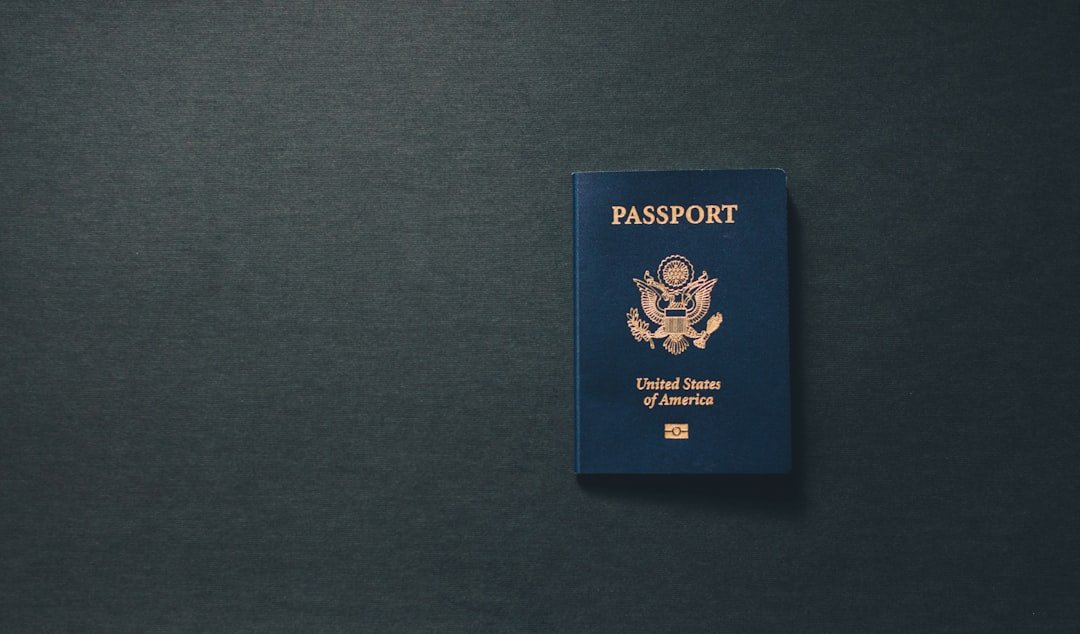
# Visa-Free Travel for U.S. Citizens in 2025–2026: Best Destinations, Timing, Rules & Complete Travel Guide
*Updated for travelers using a valid U.S. ordinary passport. Immigration policies can change quickly—always confirm requirements with the destination’s official government or embassy before booking.*
## 1. Why Visit Now?
For U.S. citizens, international travel remains remarkably accessible. Depending on the destination, Americans can enter without a traditional visa, obtain an electronic travel authorization online, or receive permission on arrival. Popular visa-free regions include much of Europe, Japan, South Korea, Thailand, Mexico, Costa Rica, South Africa, and many Caribbean countries.
The biggest reason to plan carefully now is that several destinations are changing their entry systems:
– **United Kingdom:** U.S. citizens must obtain a UK Electronic Travel Authorisation (ETA) before traveling by air, sea, or rail. The requirement began in 2025.
– **European Union and Schengen Area:** The EU’s Entry/Exit System (EES) is being introduced progressively, requiring biometric registration for many non-EU travelers. The **ETIAS travel authorization** is expected to begin in the final quarter of 2026, although travelers should verify the launch date before departure.
– **Israel:** U.S. citizens generally need an **ETA-IL** before travel, even though a traditional visa is not required for short tourist visits.
– **Australia and New Zealand:** Visitors normally need an online authorization such as an ETA, eVisitor, or NZeTA before boarding.
– **Brazil:** Visa-free access for U.S. citizens ended in 2025; travelers generally need an electronic visa before arrival.
### Best Seasons for Visa-Free Trips
– **Europe:** April–June and September–October offer pleasant weather, fewer crowds, and better hotel prices than July and August.
– **Japan and South Korea:** March–May and October–November are ideal for mild weather, gardens, autumn foliage, and cultural sightseeing.
– **Thailand and Southeast Asia:** November–February is generally the most comfortable season, though prices are higher.
– **Mexico and the Caribbean:** December–April is the driest and most popular period; May–November can be cheaper but may bring heat, rain, or hurricanes.
– **Australia and New Zealand:** December–February is summer and peak season; March–May and September–November are often excellent for value and comfortable temperatures.
– **South Africa:** May–September is favorable for safaris, while November–March is popular for Cape Town and coastal travel.
## 2. Top Places to Visit Without a Traditional Visa
Visa rules vary by passport type, length of stay, purpose of travel, and arrival method. The destinations below are among the most practical choices for U.S. tourists.
### 1. Portugal and the Schengen Area
U.S. citizens can generally visit Portugal and other Schengen countries for up to **90 days within any 180-day period** for tourism or business without a traditional visa.
**What to do:**
– Explore Lisbon’s Alfama district, Belém Tower, and the city’s famous viewpoints.
– Take a day trip to Sintra’s palaces and gardens.
– Visit Porto for riverfront walks, port-wine tastings, and the Douro Valley.
– Combine Portugal with Spain, France, Italy, or Greece—but count all Schengen days together.
**Practical recommendation:** Travel by train where possible, but reserve popular routes and attractions in advance during summer.
### 2. London and the United Kingdom
The United Kingdom is outside the Schengen Area. U.S. citizens can usually visit for short tourism stays without a traditional visa, but they must obtain a **UK ETA before travel**.
**What to do:**
– Tour Westminster Abbey, the Tower of London, and the British Museum.
– Explore neighborhoods such as Notting Hill, Shoreditch, and Covent Garden.
– Take a rail day trip to Bath, Oxford, Cambridge, or the Cotswolds.
– Use London’s contactless payment system for the Underground and buses.
**Practical recommendation:** Apply for the ETA through the official UK government website or app. Avoid unofficial websites that add unnecessary service charges.
### 3. Tokyo and Japan
U.S. passport holders can generally enter Japan visa-free for short tourist visits, commonly up to **90 days**.
**What to do:**
– Visit Asakusa, the Meiji Shrine, Shibuya Crossing, and the Tsukiji outer market.
– Reserve seats on the Shinkansen for trips to Kyoto, Osaka, or Hiroshima.
– See Mount Fuji from Hakone or the Fuji Five Lakes region.
– Experience Japan’s seasonal highlights, including cherry blossoms in spring and autumn foliage.
**Practical recommendation:** Reserve accommodations and major rail journeys early during cherry-blossom season and around New Year.
### 4. Bangkok and Thailand
Thailand generally permits U.S. citizens to enter without a traditional visa for short tourist stays, subject to the current visa-exemption period and entry conditions.
**What to do:**
– Visit the Grand Palace, Wat Pho, and Wat Arun.
– Take a long-tail boat through Bangkok’s canals.
– Continue to Chiang Mai for temples and mountain scenery.
– Relax on islands such as Phuket, Koh Samui, or Koh Phi Phi, depending on seasonal weather.
**Practical recommendation:** Check the permitted length of stay immediately before departure. Thailand has adjusted entry policies in recent years, and travelers may need to complete an online arrival or immigration form.
### Other Popular Visa-Free or Visa-Authorization Destinations
Rules commonly allow short tourist visits for U.S. citizens in destinations such as:
– **Canada:** Usually visa-free, but air travelers generally need an eTA.
– **Mexico:** No traditional visa for many short tourist visits; an entry form or tourist card may apply.
– **Costa Rica and Panama:** Generally visa-free for short stays, subject to onward-ticket and passport-validity rules.
– **South Korea:** Short tourist visits are commonly visa-free; K-ETA policies and temporary exemptions should be checked before departure.
– **Taiwan:** Short visa-free visits are generally permitted, with online arrival or entry requirements possible.
– **South Africa:** Short tourist visits are generally visa-free for U.S. citizens.
– **Caribbean destinations:** Many islands, including the Bahamas, Barbados, Jamaica, and the Dominican Republic, offer visa-free or simplified entry for short visits.
## 3. Step-by-Step Travel Logistics
### Visa Processing and Electronic Authorizations
“Visa-free” does not always mean “no paperwork.” Before booking, determine whether your trip requires a visa, eVisa, ETA, eTA, NZeTA, or arrival form.
#### Visa-free entry
For destinations such as Japan, Portugal, France, Spain, Mexico, and South Africa, U.S. citizens may not need a traditional visa for short tourism visits. Immigration officers can still request:
– A passport valid for the required period
– Proof of onward or return travel
– Hotel or accommodation details
– Evidence of sufficient funds
– Travel insurance, where applicable
– A clear tourism itinerary
#### Electronic travel authorizations
Common examples include:
– **UK ETA:** Required for eligible U.S. travelers before entering the United Kingdom.
– **EU ETIAS:** Expected to become mandatory for visa-exempt travelers once officially launched, currently anticipated in late 2026.
– **Australia ETA or eVisitor:** Usually required before boarding.
– **New Zealand NZeTA:** Required for visa-waiver travelers.
– **Canada eTA:** Generally required when flying to Canada, though not usually when entering by land or sea from the United States.
– **Israel ETA-IL:** Required for many visa-exempt travelers.
– **South Korea K-ETA:** Requirements and temporary exemptions can change.
– **Kenya eTA:** Most visitors need authorization before travel, despite the country’s move away from traditional tourist visas.
Apply only through the destination’s official immigration or government website. Use the same passport that you will present at the airport.
#### eVisas and traditional visas
Some destinations that were previously visa-free for Americans now require advance authorization. **Brazil is a major example:** U.S. travelers should expect to obtain an electronic visa before departure unless an official exemption applies.
For a standard visa or eVisa, prepare:
– Passport with sufficient validity and blank pages
– Digital passport photo
– Flight and accommodation information
– Proof of funds or employment, if requested
– Travel insurance, if required
– Completed application and payment confirmation
**Recommended timeline:**
– Electronic authorization: Apply at least **3–7 days before travel**, even if approvals are often faster.
– eVisa: Apply **2–4 weeks in advance**.
– Embassy or sticker visa: Begin **4–8 weeks before departure**, or earlier during peak seasons.
– Schengen ETIAS: Once launched, apply before booking nonrefundable travel and allow extra time for possible manual review.
### Flight Booking
Book international flights approximately:
– **2–4 months ahead** for ordinary-season travel
– **4–7 months ahead** for summer Europe, cherry-blossom season, Christmas, and major festivals
– **6–10 months ahead** for limited-route islands, safaris, and peak holiday periods
Useful strategies include:
– Compare Google Flights, Kayak, and airline websites.
– Check nearby airports, such as Newark instead of JFK or Oakland instead of San Francisco.
– Consider one-stop flights through major hubs in Canada, Europe, the Middle East, or Asia.
– Search flexible dates, especially Tuesday through Thursday departures.
– Set fare alerts before purchasing.
– Compare the final price after baggage, seat, and change fees.
– Book directly with the airline when the price difference is small, making schedule changes easier to manage.
Well-connected airlines include British Airways, Virgin Atlantic, Lufthansa, Air France, KLM, Iberia, TAP Air Portugal, Turkish Airlines, Emirates, Qatar Airways, Singapore Airlines, Japan Airlines, ANA, Korean Air, Air Canada, and United Airlines.
### Hotel and Accommodation
Choose your neighborhood based on transport access rather than just the lowest nightly price.
– **London:** Westminster for first-time visitors; South Bank or Shoreditch for restaurants and nightlife.
– **Lisbon:** Baixa, Chiado, Avenida da Liberdade, or Alfama.
– **Tokyo:** Shinjuku for transport and nightlife; Asakusa for atmosphere; Tokyo Station or Ginza for convenience.
– **Bangkok:** Sukhumvit for restaurants and transit; Riverside for luxury hotels; Old Town for temples.
– **Paris, Rome, and other European capitals:** Stay near a metro or rail station, but avoid properties directly above nightlife streets.
Use Booking.com, Agoda, Expedia, or the hotel’s official website to compare prices. Before paying, review:
– Cancellation conditions
– City or tourist taxes
– Check-in hours
– Air-conditioning availability
– Elevator access
– Luggage storage
– Recent guest reviews
– Distance to public transportation
For longer stays, an apartment can reduce costs, but confirm local registration and safety standards.
### Local Transport
– **London:** Underground, buses, and contactless bank cards are efficient.
– **Portugal and mainland Europe:** Metro systems, regional trains, and high-speed rail are usually the best options.
– **Japan:** Trains are exceptionally reliable; use an IC card for local transit and compare individual tickets with rail passes.
– **Thailand:** Use the BTS Skytrain, MRT, official taxis, and reputable ride-hailing services such as Grab.
– **Mexico and Latin America:** Uber or local ride-hailing apps can be preferable to street taxis in major cities.
– **Australia and New Zealand:** Public transit works well in cities, but a rental car is useful for national parks and regional itineraries.
– **South Africa:** Rental cars and organized transfers are often more practical outside major urban centers.
Download offline maps, save your hotel address in the local language, and avoid unlicensed airport transportation.
## 4. Estimated Budget & Essential Tips
### Average Daily Costs
Approximate per-person budgets, excluding international flights:
| Destination type | Budget traveler | Mid-range traveler | Comfortable/luxury traveler |
|—|—:|—:|—:|
| Western Europe | $90–$150 | $180–$300 | $400+ |
| Japan | $70–$130 | $150–$280 | $400+ |
| Thailand and Southeast Asia | $30–$70 | $80–$170 | $250+ |
| Mexico and Central America | $45–$90 | $110–$220 | $350+ |
| Australia and New Zealand | $90–$160 | $200–$350 | $500+ |
| South Africa | $50–$100 | $130–$250 | $400+ |
These estimates include accommodation, meals, local transportation, and ordinary sightseeing. Prices rise considerably during holidays, festivals, and peak summer periods.
### Connectivity: SIM Cards and eSIMs
An eSIM is often the easiest choice because it can be installed before departure. Compare plans from providers such as Airalo, Holafly, Nomad, or local telecom companies.
Before buying:
– Confirm that your phone is unlocked and eSIM-compatible.
– Check whether the plan includes calls and SMS or data only.
– Download the provider’s app while connected to Wi-Fi.
– Keep your U.S. SIM active only if you need bank verification texts.
– Use Wi-Fi calling or messaging apps to reduce roaming charges.
For longer stays, a local physical SIM may offer better value and a local phone number.
### Currency and Payments
– Pay by credit card when possible, choosing to be charged in the **local currency**, not U.S. dollars.
– Use a debit card with low or no foreign ATM fees.
– Withdraw cash from bank-operated ATMs instead of independent machines in tourist areas.
– Carry a small emergency reserve of local currency.
– Notify your bank of travel plans if required.
– Keep a backup card separately from your wallet.
### Essential Entry Tips
– Travel with a passport that meets the destination’s validity rule. Some countries require six months of remaining validity, while others follow different standards.
– Check blank-page requirements.
– Confirm whether your trip counts toward a regional limit, such as the Schengen Area’s 90-days-in-180 rule.
– Do not assume a visa-free tourist entry permits remote work, study, journalism, or paid activities.
– Save digital and printed copies of your passport, insurance policy, reservations, and travel authorizations.
– Purchase travel insurance covering medical treatment, trip interruption, and evacuation where appropriate.
– Recheck entry rules 72 hours before departure, especially for the UK ETA, EU ETIAS rollout, Brazil’s eVisa, and health or arrival forms.
The safest approach is to treat every “visa-free” destination as a two-step process: confirm the permitted stay, then verify whether an electronic authorization or arrival registration is required. That small amount of preparation can prevent denied boarding, airport delays, and costly last-minute changes.