
# Gjirokastër, Albania: My Favorite Underrated European Escape
## The Vibe & When to Go
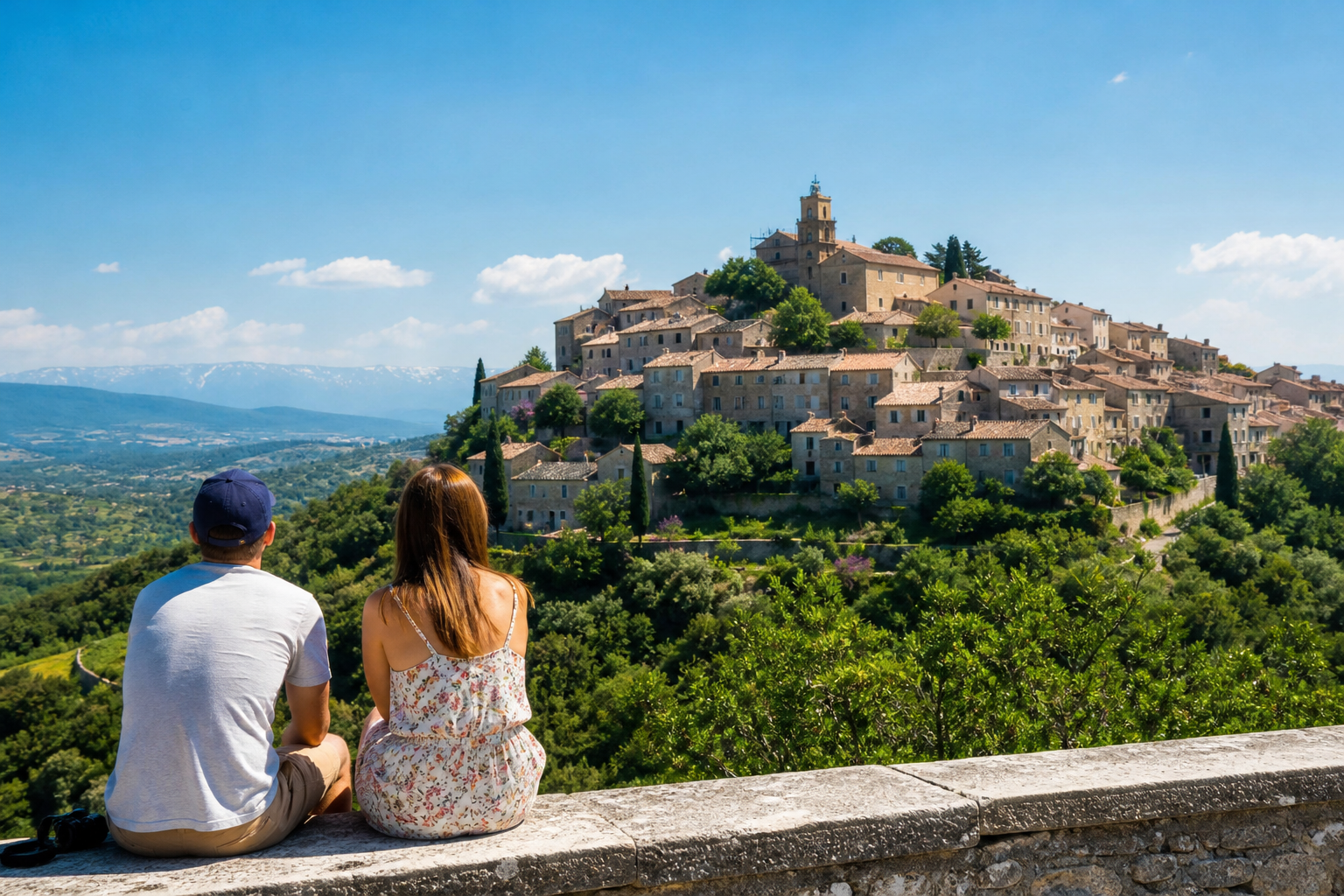
Gjirokastër feels like a place that has managed to ignore the rush of modern tourism. Its old stone houses climb the hillside above southern Albania, with slate roofs that shimmer after rain and narrow lanes polished smooth by generations of footsteps. You’ll hear café cups clinking, scooters grumbling uphill, and the occasional goat making its way through town.
I visited in late spring, when the hills were bright green and the days were warm without being exhausting. May, June, September, and early October are the sweetest months. July and August bring stronger heat and more visitors, although Gjirokastër still feels far calmer than Albania’s coastal towns.
The town is a lovely choice if you want history, mountain scenery, slow lunches, and conversations with people who are genuinely curious about where you’re from. Bring comfortable shoes—the old town is beautiful, but almost every street seems to point uphill.
## Must-See Spots: My Top Picks
### 1. Gjirokastër Castle
The castle is the obvious first stop, but it deserves the attention. From the walls, you get a wide view across the Drino Valley and the surrounding mountains. I went in the late afternoon, when the stone warmed in the sunlight and the valley turned hazy in the distance.
Inside, you’ll find old military displays, underground passages, and a huge aircraft that looks slightly out of place among the medieval walls. The castle grounds are large, so give yourself at least an hour rather than rushing through for a few photographs.
**My tip:** Go early in the morning or later in the day. The open stone courtyards can become very hot around midday.
### 2. The Bazaar and Its Side Streets
The old bazaar is where Gjirokastër feels most alive. The main lane has souvenir shops, cafés, small restaurants, and stalls selling woven goods, ceramics, and local crafts. Some shops can feel a little polished for visitors, but the side streets are much more interesting.
I liked wandering without a plan, peeking into old courtyards and stopping whenever I spotted a doorway covered in vines or a balcony with a view. The steep lanes are tiring, but they lead to quiet corners where you can sit with a coffee and watch daily life pass by.
Look for handmade wool slippers, carved wooden objects, and embroidered textiles. Bargaining is usually gentle rather than aggressive—ask politely and don’t treat a small price difference like a victory.
### 3. The Skenduli House
Gjirokastër is known for its traditional stone houses, and Skenduli House gives you a chance to see how wealthy families once lived. The rooms are arranged around a central courtyard, with heavy wooden doors, carved ceilings, storage spaces, and surprisingly thoughtful details for keeping the house cool in summer.
Visits are often guided by a local family member, which makes the experience much more personal than simply reading signs in a museum. Ask questions. The stories about family life, weddings, and household traditions were my favorite part.
### 4. The Blue Eye
About an hour and a half from Gjirokastër by car, the Blue Eye is a vivid natural spring surrounded by forest. The water is an almost impossible shade of blue, and the spring drops to a depth that divers have never fully reached.
The water is cold enough to take your breath away, but people still try to swim. I preferred walking around the paths, finding a shady table, and having lunch near the stream. Go early if you can, especially in summer, as parking and nearby cafés get busy.
A taxi or rented car is the easiest way to visit. Public transport can be arranged, but it may take longer and require some flexibility.
## Practical Travel Advice
### Getting There & Visa
The closest major airport is **Tirana International Airport**. From there, Gjirokastër is roughly a three- to four-hour journey by bus or car, depending on traffic and stops.
Buses from Tirana are inexpensive, though schedules can be basic and may change. I’d ask your accommodation to confirm the departure point and time the day before. Renting a car is useful if you also want to see the Blue Eye, Berat, or the Albanian Riviera.
Visa rules depend on your passport. Citizens of the EU, the UK, the US, Canada, Australia, and many other countries can usually enter Albania visa-free for short tourist stays, but you should check Albania’s official immigration guidance before booking. Your passport should be valid for the required period after your arrival, and airlines can be stricter than expected about travel documents.
### Where to Stay
Gjirokastër is small, so you can reach most sights on foot. Still, the area you choose affects your experience.
– **Old Bazaar:** Best for atmosphere, cafés, restaurants, and being close to the castle. Expect hills and uneven stone streets.
– **Upper Old Town:** Quieter and more scenic, with traditional guesthouses and wonderful views. It can be tiring if you have heavy luggage.
– **New Town:** Better for supermarkets, easier parking, flatter roads, and lower prices. It feels less historic but is practical for longer stays.
– **Near the bus station:** Convenient for a short visit or an early departure, though not the prettiest area.
My preference would be a family-run guesthouse near the bazaar, ideally with a terrace. Breakfast often includes eggs, bread, tomatoes, homemade jam, cheese, and strong coffee.
### Getting Around
The old town is walkable, but the slopes are no joke. Wear shoes with a decent grip, especially after rain.
There is no need for a rideshare app in the historic center. For longer trips, ask your guesthouse to call a taxi. Local taxi prices are usually discussed before the journey, so agree on the fare first. For the Blue Eye and nearby villages, a private driver or rental car is the most comfortable option.
Buses are useful for getting between larger Albanian towns, but they may not run frequently enough for a tightly planned itinerary. Leave room for delays and bring cash.
## Real Costs & Local Tips
Albania uses the **lek (ALL)**, although some hotels, tour operators, and restaurants may quote prices in euros. Carry small lek notes for cafés, bakeries, buses, and taxis.
### Typical Daily Budget
**Budget traveler: around €30–45 per person**
– Guesthouse or hostel: €15–25
– Simple meals: €10–15
– Coffee, buses, and small entrance fees: €5–10
**Mid-range traveler: around €65–100 per person**
– Comfortable guesthouse or small hotel: €35–60
– Restaurant meals: €20–30
– Taxi, attractions, and drinks: €10–20
Prices rise in July and August, especially for rooms with terraces or castle views.
Tipping is appreciated but not compulsory. In restaurants, I usually rounded up or left around 5–10% for good service. At cafés, leaving a few coins is perfectly fine. Check the bill before paying, particularly in busy tourist areas.
### A Few Things That Saved Me Money
– **Eat where local families eat.** Look for small menus, busy tables, and dishes such as qifqi, byrek, grilled vegetables, and slow-cooked meat. Huge menus in several languages often come with higher prices.
– **Carry cash.** Card payment is becoming more common, but small guesthouses, buses, bakeries, and taxis may only accept lek.
– **Book the first night ahead, then ask locally.** Guesthouse owners often know reliable drivers and can arrange trips for less than online tour listings.
– **Visit popular sights early.** You’ll avoid the strongest heat and have a much quieter walk through the bazaar and castle.
– **Don’t change all your money at the airport.** Exchange a small amount for transport, then compare rates in town.
– **Ask for the price before ordering extras.** Bread, bottled water, and side dishes are sometimes added separately.
Gjirokastër isn’t the easiest European destination for a perfectly timed itinerary, and that is part of its charm. A bus may leave later than advertised, a lunch may stretch into two hours, and a simple walk to the castle may become a sweaty climb. But those small imperfections leave room for the kind of moments you remember: a grandmother offering you figs, a quiet mountain view from a guesthouse balcony, or a plate of warm food arriving when you weren’t quite sure what you had ordered.
KEYWORDS: Gjirokaster Albania