
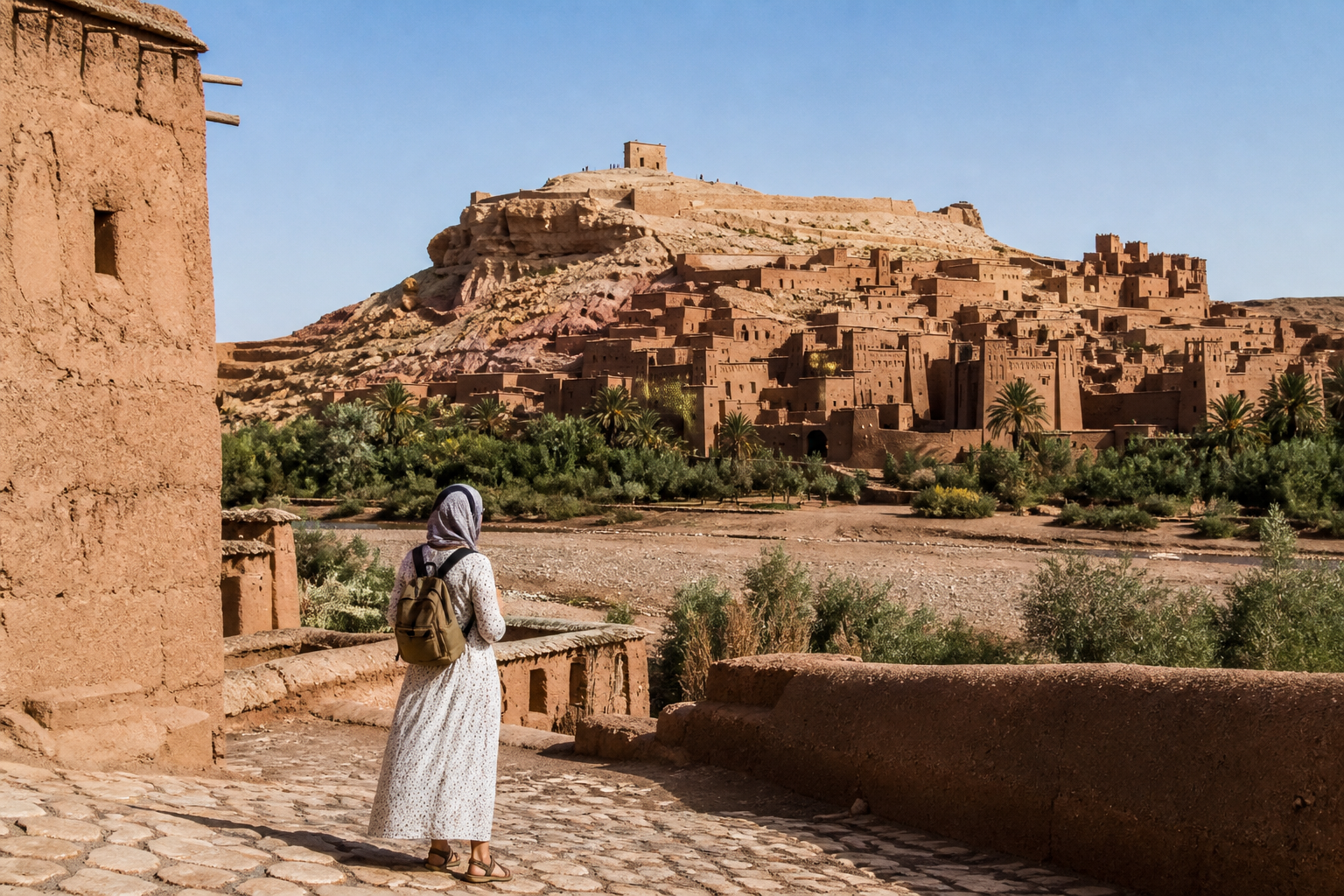
# Uzbekistan by Train: My Favorite Silk Road Stops, Local Food, and Honest Travel Tips
Uzbekistan is the kind of place that stays with you in small details: the blue tiles of a mosque glowing in the afternoon sun, a plate of plov shared with strangers, the rattle of teacups in a quiet courtyard.
For years, it felt like a destination reserved for especially determined travelers. That is changing. Better flights, easier visas, fast trains, and growing interest from long-haul visitors are making Uzbekistan much simpler to visit than many people expect.
I spent my time moving between Tashkent, Samarkand, Bukhara, and Khiva. Each city had a different personality, and the journey between them became part of the experience.
## The Vibe & When to Go
Uzbekistan feels warm, welcoming, and slightly rough around the edges in the best possible way. The famous monuments are beautifully restored, but outside the main squares you’ll find ordinary neighborhoods, fruit markets, Soviet apartment blocks, and families gathering around outdoor tables.
The best times to visit are **April to May** and **September to October**. Days are usually warm without being unbearable, and the evenings are comfortable for walking. Spring brings blossom and bright green landscapes, while autumn means melons, grapes, and cooler nights.
Summer can be intensely hot, especially in Bukhara and Khiva, where there is little shade around the historic sites. If you travel then, start sightseeing early and take a long lunch break during the hottest hours. Winter is cold, but it can be a peaceful and inexpensive time to visit, with fewer visitors at the major monuments.
What makes Uzbekistan especially appealing right now is how easy it is to combine comfort with a sense of discovery. You can ride a modern train between major cities, then spend the evening eating homemade food in a centuries-old neighborhood.
## Must-See Spots: My Top Picks
### 1. Samarkand: Registan Square at sunset
Registan is the image most people associate with Uzbekistan, and seeing it in person still surprised me. The three enormous madrassas face one another across the square, covered in deep blue, turquoise, and gold tilework.
Go once during the day to study the details, then return near sunset when the light softens the buildings. The square is often busy, but you can escape the crowds by wandering through the side streets behind it. I found small bakeries, quiet courtyards, and locals selling round loaves of bread stamped with beautiful patterns.
Nearby, don’t miss:
– **Gur-e-Amir**, the richly decorated mausoleum of Timur
– **Bibi-Khanym Mosque**, especially impressive from the outside
– **Siyob Bazaar**, where you can buy dried fruit, nuts, spices, and fresh bread
– **Shah-i-Zinda**, a lane of bright blue mausoleums that is best visited early in the morning
Wear shoes you can walk in. Samarkand’s highlights are spread out, and the tiled courtyards can be tiring in the heat.
### 2. Bukhara: Slow evenings and hidden courtyards
Bukhara was my favorite city for simply wandering. The old center is compact, so you can walk between mosques, trading domes, tea houses, and shaded courtyards without needing a taxi.
Start around **Lyabi-Hauz**, the plaza built around a pool of water. It is lively in the evening, with families out for dinner and musicians performing nearby. From there, walk toward the old trading domes and the **Kalon Minaret**.
The Ark Fortress is useful for understanding Bukhara’s long history, but I enjoyed the smaller moments more: sitting with green tea, watching a bread seller pull loaves from a clay oven, and finding tiny workshops where craftsmen were carving wood or painting ceramics.
For a quieter view, climb to a rooftop restaurant near the Kalon complex just before sunset. The food is not always the best in town, but the view over the domes and rooftops is lovely.
### 3. Khiva: An open-air museum that still feels lived in
Khiva’s walled old town, known as **Itchan Kala**, looks almost unreal at first. Sandy-colored walls, turquoise domes, carved wooden columns, and narrow lanes give the city a completely different character from Samarkand and Bukhara.
The main sights can be covered in a day, but I recommend staying two nights. The streets become much calmer once day-trippers leave.
Climb the **Islam Khoja Minaret** if you are comfortable with steep stairs and tight spaces. The view over the old town is excellent, especially in the early morning. I also liked wandering beyond the main monuments, where residents still live behind the old walls and children play in the lanes.
Khiva is farther from the other major cities, so plan the journey carefully. You can fly to nearby Urgench and take a short taxi ride, or arrive by train.
### 4. Tashkent: The modern side of Uzbekistan
Tashkent is often treated as a quick arrival point, but I would give it at least two days. It is greener, wider, and more modern than the historic cities, with broad Soviet avenues, excellent metro stations, busy markets, and a growing café scene.
The **Tashkent Metro** is one of the easiest ways to get around, and several stations have striking designs. The city’s markets are also a good introduction to local food. At **Chorsu Bazaar**, look for piles of spices, fresh bread, grilled meat, and large trays of plov.
I enjoyed the contrast between the old and new parts of the city. You can visit a historic mosque in the morning, eat lagman noodles for lunch, and spend the evening in a modern restaurant or rooftop bar.
## Practical Travel Advice
### Getting There and Visa Requirements
Most visitors arrive through **Tashkent International Airport**. Flights are commonly available through Istanbul, Dubai, Doha, Almaty, Moscow, and other regional hubs. Depending on where you are flying from, Turkish Airlines, Uzbekistan Airways, Qatar Airways, Emirates, and flydubai can be useful options.
Many nationalities, including citizens of the United States, United Kingdom, Canada, Australia, and much of Europe, can enter Uzbekistan visa-free for stays of up to 30 days. Some passport holders need an **e-visa**, which is normally applied for online before travel.
Rules can change, so check the official Uzbek government visa page or your nearest Uzbek embassy before booking. Your passport should have at least six months of validity remaining, and you should have a free page for entry stamps.
If you plan to visit neighboring countries on the same trip, check their rules separately. Crossing a border in Central Asia is not always as simple as taking a local train.
### Where to Stay
**Tashkent:** Stay around Amir Temur Square, the city center, or near a metro station. These areas are convenient for restaurants, museums, and getting to the airport. The old town is more atmospheric but less practical for first-time visitors.
**Samarkand:** The area near Registan is best if you want to walk to the major sights. The train station area has more modern hotels and is useful for early departures.
**Bukhara:** Choose a guesthouse inside or close to the old town. Traditional courtyard guesthouses often include a generous breakfast and make it easy to meet other travelers.
**Khiva:** Stay inside Itchan Kala if you want the full atmosphere. Rooms can be basic, but stepping out into the quiet lanes early in the morning is special.
Guesthouses are often more personal than large hotels, and owners can help arrange taxis, train transfers, and day trips.
### Getting Around
The high-speed **Afrosiyob trains** connect Tashkent with Samarkand and Bukhara. Book as early as possible, particularly for spring and autumn travel, because the best seats sell out.
For Khiva, trains run to Urgench, followed by a short taxi ride. Flights between Tashkent and Urgench are another option.
Within cities:
– Tashkent has a useful metro and affordable taxis.
– Samarkand is manageable by walking plus short taxi rides.
– Bukhara’s old center is very walkable.
– Khiva is best explored on foot.
– **Yandex Go** is the most useful rideshare app in the larger cities.
Always confirm the price before getting into an unofficial taxi. With Yandex Go, the fare is shown in the app, which removes most of the usual haggling.
## Real Costs and Local Tips
Uzbekistan can be very affordable, although boutique hotels and organized tours can raise the budget quickly.
### Approximate daily budgets
**Budget traveler: $25–40 per person**
– Guesthouse or simple hotel: $10–20
– Local meals: $5–10
– Short taxi rides and public transport: $3–7
– Occasional entrance fees: $5–10
**Mid-range traveler: $60–110 per person**
– Comfortable hotel or attractive guesthouse: $30–60
– Restaurant meals and cafés: $15–30
– Trains, taxis, and sightseeing: $15–25
Major monument tickets vary, and some complexes charge extra for photography or special areas. Carry small notes for markets, small cafés, and taxis.
The local currency is the **Uzbekistani soʻm (UZS)**. Cards are accepted at better hotels, modern restaurants, and some tour agencies, but cash is still essential for guesthouses, markets, and smaller businesses. US dollars are sometimes useful for hotel payments or tours, but everyday purchases are made in soʻm.
Tipping is not compulsory, though rounding up or leaving around 5–10% in a nice restaurant is appreciated. A small tip for a helpful guide or driver is also sensible.
### A few money-saving and sanity-saving tricks
– **Buy train tickets early.** The faster trains are comfortable and reasonably priced, but last-minute options may be inconvenient or sold out.
– **Eat where local families eat.** Busy canteens and neighborhood restaurants often serve better-value plov, lagman, and shashlik than restaurants beside the biggest monuments.
– **Carry tissues and hand sanitizer.** Public toilets are improving, but you will still find places where both are useful.
– **Keep small cash notes handy.** Breaking a large bill at a tiny tea shop can be difficult.
– **Avoid changing money with strangers.** Official exchange offices and banks are the safer choice, even if someone offers a tempting street rate.
– **Visit monuments early or late.** You’ll avoid the strongest heat, tour groups, and the glare that makes photographing blue tilework difficult.
– **Learn a few words in Russian or Uzbek.** “Rahmat” means thank you in Uzbek, and even a small effort usually brings a smile.
Uzbekistan is not a destination I would rush through. The monuments are the obvious reason to come, but the best memories came between them: warm bread torn by hand, long train journeys through dry countryside, and evenings when a simple meal turned into an unexpected conversation.
KEYWORDS: Uzbekistan Samarkand