
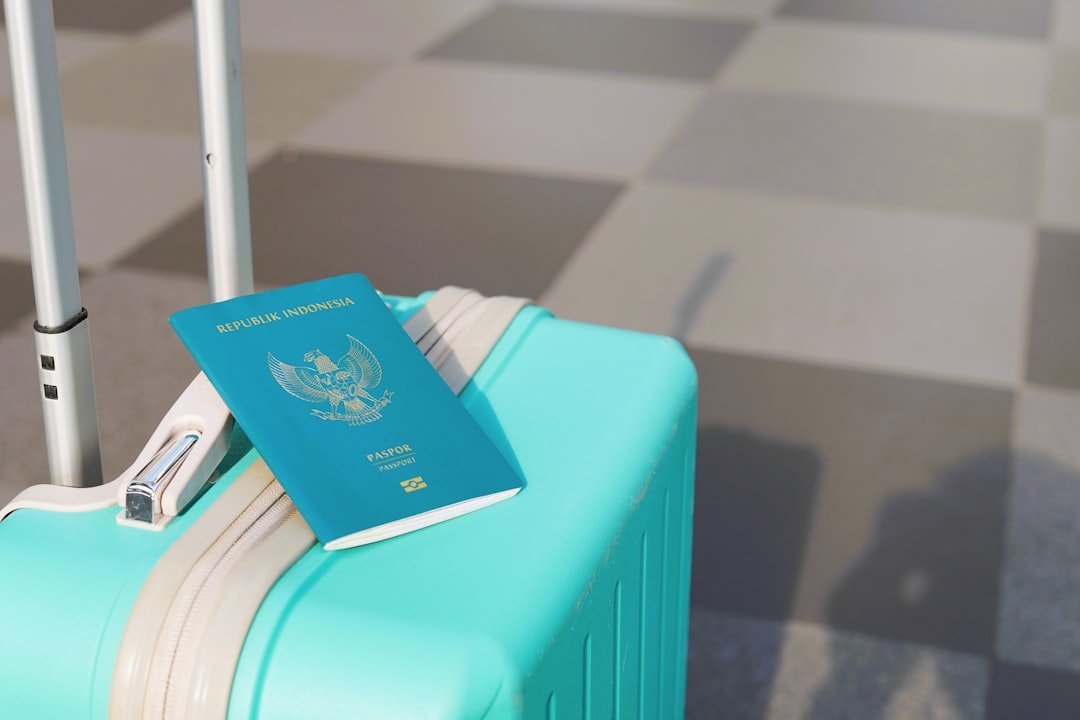
# Thailand Travel Guide: Best Time to Visit, New Visa Rules, Flights, Budget & Essential Tips
## Why Visit Thailand Now?
Thailand remains one of Southeast Asia’s most rewarding destinations, combining tropical beaches, historic temples, vibrant cities, outstanding food, and excellent value. However, travelers should pay close attention to changing entry rules.
Thailand previously expanded visa-free entry to **up to 60 days for citizens of more than 90 countries, including the United States**. Following reports of visitors overstaying, working illegally, and behaving badly, Thai authorities have discussed—or begun implementing—a reduction to **30 days for visa-exempt travelers**. Policies and enforcement can change quickly, so confirm your exact allowance with the **Royal Thai Embassy, Thai consulate, or Thailand’s official immigration website** before booking.
### Best Time to Visit
– **November to February:** The coolest and generally driest period; ideal for Bangkok, Chiang Mai, Phuket, Krabi, and island-hopping. It is also the busiest and most expensive season.
– **March to May:** Hot season, with high temperatures across the country. Beaches and islands remain attractive, but sightseeing can be tiring.
– **April:** Experience **Songkran**, Thailand’s famous New Year water festival, usually held around April 13–15. Book accommodation and transportation several months ahead.
– **June to October:** Green season, with lower prices and fewer visitors. Rain often arrives in short, intense bursts rather than lasting all day, although conditions vary by region.
– **October to January in northern Thailand:** Cooler weather makes Chiang Mai, Chiang Rai, and mountain areas particularly pleasant.
For the best balance of comfortable weather and manageable prices, consider **late October, November, February, or early March**.
## Top Places to Visit in Thailand
### 1. Bangkok: Temples, Markets and Modern City Life
Thailand’s capital is an energetic introduction to the country, known for ornate temples, street food, rooftop bars, shopping malls, and lively neighborhoods.
**What to do:**
– Visit the **Grand Palace** and **Wat Phra Kaew** early in the morning to avoid heat and crowds.
– See the reclining Buddha at **Wat Pho**, then take a short ferry ride to **Wat Arun**.
– Explore Chinatown’s Yaowarat Road for evening street food.
– Take a long-tail boat through the Thonburi canals.
– Use the **BTS Skytrain** and **MRT** for major sightseeing and shopping areas.
Stay near **Riverside, Sukhumvit, Silom, Sathorn, or the Old Town**, depending on your priorities.
### 2. Chiang Mai: Temples, Mountains and Northern Thai Culture
Chiang Mai is ideal for travelers seeking a slower pace, historic temples, creative cafés, cooking classes, and mountain scenery.
**What to do:**
– Walk around the Old City and visit **Wat Chedi Luang** and **Wat Phra Singh**.
– Watch sunset at **Wat Phra That Doi Suthep**, high above the city.
– Take a Thai cooking class at a reputable, ethical school.
– Explore local markets, including the Sunday Walking Street.
– Plan a day trip to Doi Inthanon or nearby villages with a responsible tour operator.
Avoid burning-season travel if possible. Northern Thailand can experience unhealthy smoke and haze, especially from **February through April**.
### 3. Phuket and Phang Nga Bay: Beaches and Island Excursions
Phuket offers the widest range of hotels, nightlife, restaurants, beaches, and day tours. It is also a convenient base for exploring southern Thailand.
**What to do:**
– Choose quieter beaches such as **Kata, Karon, Nai Harn, or Bang Tao** rather than staying exclusively around Patong.
– Take a boat trip to **Phang Nga Bay** and its dramatic limestone formations.
– Visit Phuket Old Town for Sino-Portuguese architecture and cafés.
– Compare island tours carefully; smaller groups usually provide a better experience.
– Respect marine rules and avoid operators offering wildlife interactions that involve harassment or feeding.
The Andaman coast generally has its best weather from **November to April**. Rough seas and heavy rain are more common during the southwest monsoon.
### 4. Krabi, Railay and the Gulf Islands
Krabi is famous for limestone cliffs, turquoise water, and access to beautiful islands. Railay Beach is reachable only by boat and is one of Thailand’s most memorable coastal landscapes.
**What to do:**
– Spend a day at **Railay Beach** and climb or kayak around the limestone cliffs.
– Take a boat trip to the **Hong Islands** or the Phi Phi Islands.
– Visit the **Emerald Pool** and nearby hot springs if conditions permit.
– Consider Koh Samui, Koh Phangan, or Koh Tao for diving, snorkeling, and island life.
– Check regional weather before choosing between the Andaman coast and the Gulf of Thailand.
The Gulf islands can have a different rainfall pattern from Phuket and Krabi, so compare forecasts rather than assuming the entire country has identical conditions.
## Step-by-Step Travel Logistics
### 1. Visa Processing
#### Visa-Exempt Entry
Citizens of eligible countries—including the United States under the current visa-exemption framework—may enter Thailand without obtaining a visa in advance for the permitted period. Because Thailand has been reviewing the **60-day visa-free policy**, travelers should not assume that the full 60 days will remain available.
Before departure:
– Check the current visa-exemption list and permitted stay.
– Confirm whether your passport nationality qualifies.
– Ensure your passport is valid for at least **six months** from arrival.
– Have proof of onward or return travel available.
– Carry evidence of sufficient funds and accommodation, as immigration officers may request it.
– Do not undertake employment or unauthorized business activities while traveling as a tourist.
– Respect the permitted departure date; overstays can result in fines, detention, deportation, or future entry problems.
Most visa-exempt visitors may be eligible to request an extension at a Thai immigration office, traditionally up to 30 additional days, but approval is discretionary and rules can change.
#### Tourist e-Visa
If your nationality is not visa-exempt, or if you intend to stay longer than the visa-free allowance, apply through Thailand’s official **Thai e-Visa** portal where available.
Typical requirements include:
– Passport biodata page
– Recent passport photograph
– Proof of residence
– Flight itinerary or travel plans
– Accommodation details
– Proof of funds
– Completed online application
– Visa fee payment
Apply approximately **two to four weeks before departure**, or earlier during peak travel periods. Processing times vary by nationality and the embassy or consulate handling the application.
#### Visa-on-Arrival
Visa-on-Arrival eligibility is limited to specific nationalities and should not be confused with visa exemption. Check the current list before relying on this option. Travelers using Visa-on-Arrival typically need:
– A passport meeting validity requirements
– A recent photograph
– Confirmed onward travel
– Accommodation information
– Proof of funds
– The applicable fee, often payable in Thai baht
#### Thailand Digital Arrival Card
Thailand requires foreign visitors to complete the **Thailand Digital Arrival Card, or TDAC**, before arrival. Submit it only through the official Thai government platform within the permitted pre-arrival window. Use caution with third-party websites that charge unnecessary processing fees.
### 2. Flight Booking
Bangkok is served primarily by **Suvarnabhumi Airport (BKK)** and **Don Mueang International Airport (DMK)**. Phuket, Chiang Mai, Krabi, and Koh Samui also receive international flights.
Recommended airlines may include:
– Thai Airways
– Singapore Airlines
– Qatar Airways
– Emirates
– Etihad
– Turkish Airlines
– Cathay Pacific
– Korean Air
– Japan Airlines
– AirAsia, Scoot, and Thai Vietjet for selected regional routes
**Booking strategy:**
– For international travel, compare fares around **two to five months ahead**.
– For Christmas, New Year, Songkran, and peak beach season, book **four to eight months in advance**.
– Check both Bangkok airports; low-cost carriers often use Don Mueang.
– Compare one-way combinations, but allow generous time between separate tickets.
– Use Google Flights, Skyscanner, or airline websites to track prices.
– Consider arriving in Bangkok and departing from Phuket or Chiang Mai to avoid backtracking.
– Include checked-baggage charges when comparing budget airlines.
### 3. Hotel and Accommodation
Thailand has accommodation for nearly every budget, from hostels and guesthouses to luxury resorts and private villas.
**Best areas to stay:**
– **Bangkok:** Sukhumvit for transport and nightlife; Riverside for atmosphere; Silom or Sathorn for business and dining; Old Town for temples.
– **Chiang Mai:** Old City for temples and walkability; Nimman for cafés and modern restaurants; Riverside for a quieter stay.
– **Phuket:** Kata or Karon for balanced beach holidays; Bang Tao for upscale resorts; Phuket Old Town for culture and food; Patong for nightlife.
– **Krabi:** Ao Nang for convenience and tours; Railay for scenery; Krabi Town for lower prices and local life.
– **Koh Samui:** Chaweng for activity, Bophut for restaurants and a relaxed atmosphere, and Lamai for a quieter beach experience.
Use **Agoda, Booking.com, Hostelworld, or the property’s direct website**. Check recent reviews for construction noise, flooding, transportation access, hidden resort fees, and beach conditions. During peak season, reserve refundable rooms early and recheck prices later.
### 4. Local Transport
– **Bangkok BTS and MRT:** The fastest way to avoid traffic between major neighborhoods.
– **Airport Rail Link:** Convenient connection between Suvarnabhumi Airport and central Bangkok.
– **Grab:** Widely useful for cars, motorbike taxis, and food delivery. Confirm the vehicle and fare in the app.
– **Metered taxis:** Use the meter and avoid drivers who refuse it. Airport taxi counters are safer than accepting unsolicited offers.
– **Motorbike taxis:** Fast but higher-risk; wear a helmet and avoid renting a motorbike unless properly licensed and experienced.
– **Intercity trains:** Comfortable for selected routes, including Bangkok–Chiang Mai. Reserve sleeping berths in advance.
– **Buses and minivans:** Affordable for regional travel, although quality and safety vary.
– **Domestic flights:** Useful for long distances between Bangkok, Chiang Mai, Phuket, Krabi, and the Gulf islands.
– **Ferries:** Book through established operators and allow extra time during monsoon weather.
Uber does not operate in Thailand in the same way it does in many other countries; **Grab** is the more practical app-based alternative.
## Estimated Budget and Essential Tips
### Average Daily Budget
| Travel style | Estimated daily cost per person |
|—|—:|
| Budget traveler | US$25–45 |
| Comfortable mid-range traveler | US$60–120 |
| Luxury traveler | US$180 and above |
These estimates generally cover accommodation, meals, local transportation, and basic activities but exclude international flights and major island excursions.
Typical costs include:
– Hostel bed: **US$8–20**
– Simple guesthouse or budget hotel: **US$20–50**
– Comfortable hotel: **US$50–130**
– Street-food meal: **US$1.50–4**
– Casual restaurant meal: **US$4–12**
– Coffee: **US$2–4**
– Local city transport: **US$1–10 per day**
– Island or snorkeling tour: **US$25–80**
– Thai massage: **US$8–25**, depending on location and duration
### Connectivity
Purchase a tourist SIM or eSIM from a major provider such as **AIS, True, or dtac**. Airport counters are convenient but can cost more than city shops or online eSIM providers.
Before purchasing:
– Confirm your phone is unlocked.
– Check data validity and hotspot rules.
– Keep your passport available for SIM registration.
– Download offline maps and translation tools.
– Save hotel addresses in Thai for taxi drivers.
### Currency and Payments
Thailand uses the **Thai baht (THB)**. Cards are accepted at hotels, shopping malls, international restaurants, and many tour companies, but cash remains essential for street food, markets, small shops, taxis, and rural areas.
Practical money advice:
– Withdraw cash from reputable bank ATMs.
– Expect a foreign-card ATM fee and possible fees from your home bank.
– Decline dynamic currency conversion and choose to be charged in Thai baht.
– Exchange a small amount at the airport, then compare rates at licensed city exchange counters.
– Carry small notes for local purchases.
– Notify your bank before traveling if required.
### Essential Travel Tips
– Dress modestly when visiting temples; shoulders and knees should be covered.
– Remove shoes where requested.
– Never touch someone’s head or point your feet toward Buddha images or people.
– Be respectful during the national anthem and at royal or religious sites.
– Drink bottled or filtered water if you are not accustomed to local supplies.
– Use sunscreen, insect repellent, and hydration salts in hot weather.
– Avoid riding uninsured motorbikes; many travel insurance policies exclude accidents involving improper licensing.
– Confirm ferry and flight schedules during storms.
– Be particularly careful with visa deadlines and the latest visa-free rules. The reported reduction from 60 to 30 days may be implemented or adjusted at short notice, so verify your personal entry conditions immediately before departure.
Thailand is still an exceptional destination, but responsible travel is more important than ever. Follow local laws, avoid disruptive behavior, respect communities and religious sites, and leave with a clean immigration record.
KEYWORDS: Thailand beach