
# Niagara Falls Beyond the Postcard: What I Loved, What Needs Fixing, and How to Visit Well
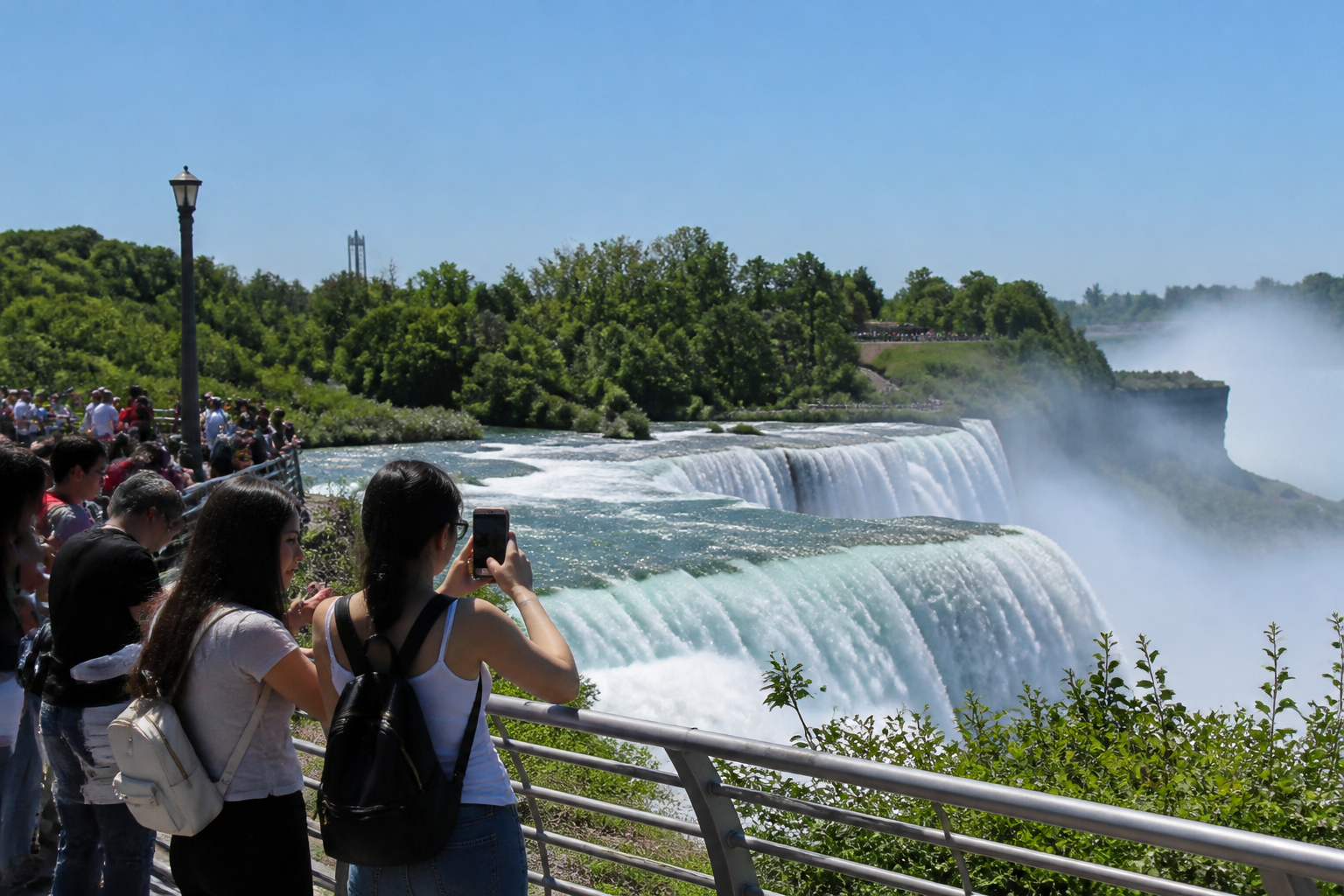
Niagara Falls still has that grand, almost theatrical first moment. You hear the roar before the water comes into view, then the mist reaches your face and the whole crowd falls briefly quiet. Even after seeing the falls several times, I still get a little jolt when they appear.
But the wider tourist area can feel uneven. Big attractions, busy roads, expensive parking, tired-looking stretches of Clifton Hill, and long queues sometimes distract from the natural beauty. That tension is at the heart of recent criticism from Ontario Premier Doug Ford, who said the “status quo is unacceptable” for Niagara Falls as a tourist destination.
I understand what he means. The falls themselves are spectacular. The visitor experience around them could be cleaner, easier to navigate, and less focused on squeezing money from every stop.
## The Vibe and When to Go
Niagara Falls is loud, bright, busy, and wonderfully dramatic. It is not a quiet nature escape unless you know where to look. Around the main falls, you will find families, tour groups, honeymooners, school trips, arcades, chain restaurants, and plenty of souvenir shops. A few minutes away, the mood changes completely: tree-lined roads, vineyards, old stone buildings, and calm riverside paths.
**Late spring through early fall** is the easiest time to visit. Days are generally comfortable, the gardens are green, and boat cruises are running. Summer brings the biggest crowds, especially on weekends, so I prefer arriving on a weekday and getting outside early.
Fall is beautiful, with cooler air and colourful trees. Winter has its own magic when ice gathers around the falls, but walking can be slippery and some attractions operate on reduced schedules. Bring a proper waterproof layer in every season. The mist can soak you faster than expected.
## Must-See Spots: My Top Picks
### 1. The Falls at First Light
Start at the main viewpoints before breakfast. The crowds are lighter, the air feels fresh, and you can hear the water without constantly competing with tour commentary.
From the Canadian side, I like walking between the **Horseshoe Falls**, **American Falls**, and **Bridal Veil Falls** along the Niagara Parkway. The path is easy, though you will want comfortable shoes if you plan to keep going.
The best free experience is simply walking the promenade and stopping often. You do not need to pay for every attraction to appreciate the falls.
### 2. A Boat Cruise for the Full Misty Experience
The boat ride is touristy, but I still enjoy it. When the vessel edges toward the Horseshoe Falls, conversation disappears under the thunder of the water. Wear the supplied poncho properly and protect your phone in a zippered bag.
Try to book an earlier departure rather than arriving in the middle of the afternoon. Lines grow quickly, and the dock area can become hectic. If you dislike crowds, the viewpoint above the falls may be enough, but the boat gives you a much stronger sense of their size.
### 3. The Niagara Parkway and Dufferin Islands
When Clifton Hill starts feeling too noisy, walk or cycle along the Niagara Parkway. The road follows the river and offers some of the best views in the region.
**Dufferin Islands** is a quieter green space just south of the main falls. It is a good place for a slow walk, a packed lunch, and a break from flashing signs and busy sidewalks. The area around the Floral Clock is also easy to reach and makes a pleasant stop if you are driving toward Niagara-on-the-Lake.
### 4. Niagara-on-the-Lake for a Different Side of the Region
About half an hour from the falls by car, Niagara-on-the-Lake feels like another trip entirely. There are heritage buildings, small shops, cafés, theatre performances, and wineries spread throughout the surrounding countryside.
I would not try to squeeze it into a rushed afternoon if wine tasting is your main reason for going. A full day gives you time to enjoy the town without constantly checking the clock. If you are staying only one night at the falls, choose either the town or the vineyards rather than attempting everything.
## Practical Travel Advice
### Getting There and Visa Requirements
From Toronto, Niagara Falls is roughly a 90-minute drive in light traffic, though summer weekends can take much longer. GO Transit offers train and bus connections, with seasonal service often making the trip easier for visitors who do not want to drive.
If you are flying, **Toronto Pearson International Airport** has the widest range of international connections. Billy Bishop Toronto City Airport can be convenient for some domestic routes, but you will still need ground transportation to Niagara Falls.
For entry into Canada:
– U.S. citizens generally need a valid passport or accepted travel document.
– Visitors from visa-exempt countries usually need an **eTA when flying to Canada**.
– Travellers from countries that require a Canadian visitor visa must apply before arrival.
– Requirements can vary by nationality and travel method, so check the official Government of Canada website before booking.
If you plan to cross into the United States, bring the correct passport or travel documents for both countries. The Rainbow Bridge can become busy during holidays.
### Where to Stay
**Clifton Hill:** Best if you want to be close to attractions, restaurants, arcades, and the busiest nightlife. It is convenient but noisy and often pricier than expected.
**Fallsview:** A good choice for hotel views, couples, and visitors who want to wake up near the water. Check whether your room genuinely has a falls view before paying extra; some “view” rooms offer only a partial glimpse.
**Lundy’s Lane:** Usually better for families and travellers watching their budget. There are many motels, casual restaurants, and larger hotel properties, though you will likely need a bus or car to reach the falls.
**Downtown Niagara Falls:** Quieter than Clifton Hill and useful for local restaurants and access to transit. It does not have the same postcard atmosphere, but I find it more relaxed.
**Niagara-on-the-Lake:** Best for a slower, more polished stay with wineries, historic streets, and good dining. It is less practical if your main goal is spending every hour at the falls.
### Getting Around
The main falls area is walkable, but distances are deceptive. You can walk between several viewpoints, yet hills, crowds, and heat make the journey feel longer than it looks.
– Use the **WEGO bus** for the falls, major hotels, and attractions along the Niagara Parkway.
– GO Transit is useful for arriving from Toronto, especially on seasonal services.
– Taxis are easy to find near hotels and major attractions.
– Uber and Lyft operate in the area, but wait times can increase during festivals and busy weekends.
– A car is helpful for wineries and Niagara-on-the-Lake, but parking near the falls can be expensive and frustrating.
I would leave the car at the hotel whenever possible and explore the main area on foot and by WEGO.
## Real Costs and Local Tips
Prices change with the season, but these are sensible rough figures in **Canadian dollars**.
### Budget travel: about **$110–$170 CAD per person per day**
This assumes:
– A shared motel room or basic hotel deal
– Casual meals and takeaway food
– Mostly free viewpoints and walking
– Public transit instead of taxis
– One paid attraction at most
### Mid-range travel: about **$220–$350 CAD per person per day**
This usually covers:
– A comfortable hotel room shared by two people
– Restaurant meals
– One major attraction, such as a boat cruise
– Transit plus an occasional rideshare
– A few drinks or snacks
Hotel prices can jump sharply on summer weekends, long weekends, and during major events. Always check the final total for parking, resort fees, destination charges, and taxes before confirming a room.
A few things I do to keep costs under control:
– **Buy snacks and water away from Clifton Hill.** Convenience stores near the attractions charge noticeably more.
– **Arrive early and park once.** Moving the car between attractions wastes time and can mean paying more than one parking fee.
– **Compare attraction bundles carefully.** Some passes save money, but only if you genuinely plan to visit several included sites.
– **Eat one meal outside the main tourist strip.** Lundy’s Lane and local neighbourhoods usually offer better value than restaurants directly beside Clifton Hill.
– **Carry small Canadian bills and a card.** Canada uses the Canadian dollar, and many places accept major cards. Tipping around 15–20% before tax is common for decent table service; cafés and counter-service spots do not always require a tip.
– **Check the weather before booking the boat.** Rain and mist are part of the experience, but a cold, windy day can make the cruise uncomfortable.
Niagara Falls does not need more glitter to attract visitors. It needs a smoother, more welcoming experience around one of the world’s great natural sights: cleaner public spaces, clearer transportation, sensible parking, and fewer moments where visitors feel treated like walking wallets.
For now, I would still recommend going. See the falls early, wander beyond the busiest strip, leave time for the river and countryside, and judge the destination on more than Clifton Hill. The water remains extraordinary. The rest of Niagara Falls is still figuring out how to match it.
KEYWORDS: Niagara Falls, Canada waterfall