
# Visiting California: My Favorite Stops, Scenic Drives & Honest Budget Tips
California is the kind of place that keeps changing before you’ve finished saying, “This is my favorite part.” One morning you can be drinking coffee beside a foggy Pacific beach; by afternoon, you’re winding through redwood forests, vineyard country, or a desert glowing gold beneath the sunset.
It’s no surprise California remains America’s top travel destination. Tourism spending has climbed to nearly **$159 billion**, and after traveling through the state, it’s easy to understand why. California offers big-city energy, wild landscapes, famous food, beautiful weather, and enough coastline to keep you happily distracted for weeks.
## The Vibe & When to Go
California feels relaxed, ambitious, outdoorsy, creative, and just a little bit showy. People may be rushing to work in Los Angeles or San Francisco, but there’s usually a beach, hiking trail, farmers market, or taco stand waiting nearby.
The best time to visit depends on which California you want:
– **Spring** brings green hills, wildflowers, comfortable city temperatures, and fewer crowds.
– **Summer** is perfect for the coast, though San Francisco can be surprisingly chilly and the inland valleys can be fiercely hot.
– **Fall** is one of my favorite seasons, especially for wine country, warm beach days, and quieter roads.
– **Winter** is mild along the coast and excellent for desert trips, while the Sierra Nevada offers snow and skiing.
If you’re visiting now, pack layers. California weather can be wonderfully unpredictable: sunny in Santa Barbara, misty in Big Sur, and cold enough for a jacket in San Francisco—all on the same day.
## Must-See Spots: My Top Picks
### 1. San Francisco and the Golden Gate
San Francisco is compact, dramatic, and best explored slowly. Walk from the Ferry Building along the Embarcadero, browse the farmers market, then continue toward the waterfront with the Bay Bridge glittering behind you.
Of course, see the Golden Gate Bridge, but don’t stop at the usual viewpoint. I love walking part of the bridge early in the morning, when the fog rolls through the towers and the city feels wonderfully cinematic. For another perspective, head to **Baker Beach** or the Marin Headlands across the bay.
Give yourself time for the neighborhoods, too. The Mission is ideal for murals, excellent food, and sunny patios, while North Beach has old bookstores, Italian cafés, and a lingering literary charm. Wear proper walking shoes—those hills are much steeper than they look in photographs.
### 2. Big Sur and Highway 1
The drive down the central coast is one of California’s great travel experiences. Highway 1 curls around cliffs above deep-blue water, with rocky coves, cypress trees, and viewpoints that make you pull over every twenty minutes.
Stop at **Bixby Creek Bridge**, but also leave room for quieter moments. Pull into a small turnout, make a picnic from local bread and fruit, and simply watch the waves. **McWay Falls** at Julia Pfeiffer Burns State Park is another favorite, with a waterfall dropping onto a beach that looks almost too perfect to be real.
Check road conditions before leaving. Sections of Highway 1 occasionally close after storms or landslides, and phone service can disappear. Download maps ahead of time and fill the tank whenever you can.
### 3. Los Angeles Beyond Hollywood
Los Angeles is sprawling, but that’s part of its appeal. Instead of trying to conquer the whole city in one day, choose a few neighborhoods and enjoy their different personalities.
Start in **Santa Monica**, where you can walk the pier, rent a bicycle, and follow the beach path toward Venice. Venice is livelier and quirkier, with street performers, murals, and an eclectic boardwalk atmosphere. For a greener, quieter afternoon, explore **Griffith Park** and hike up to the Griffith Observatory for one of the best city views in Southern California.
My favorite LA days usually involve very little rushing: breakfast tacos, a museum or bookstore, an evening sunset, and dinner somewhere small and busy with locals. Traffic is real, so plan around it rather than pretending you can cross the city in twenty minutes.
### 4. Joshua Tree National Park
Joshua Tree feels like another planet—twisted trees, giant boulders, wide-open skies, and desert silence that settles over everything at sunset.
Visit **Keys View** for sweeping views across the Coachella Valley, then spend time around Hidden Valley and Barker Dam. The best experience is often after dark, when the park’s famously clear skies reveal an astonishing number of stars.
Avoid the hottest part of the day in summer, bring far more water than you think you’ll need, and never rely on finding food inside the park. Spring and fall are especially comfortable for hiking.
## Practical Travel Advice
### Getting There & Visa
California is served by major international airports including:
– Los Angeles International Airport (LAX)
– San Francisco International Airport (SFO)
– San Diego International Airport (SAN)
– Oakland International Airport (OAK)
– San Jose International Airport (SJC)
For the best fares, compare nearby airports and consider arriving in one city and departing from another—especially if you’re planning a coastal road trip.
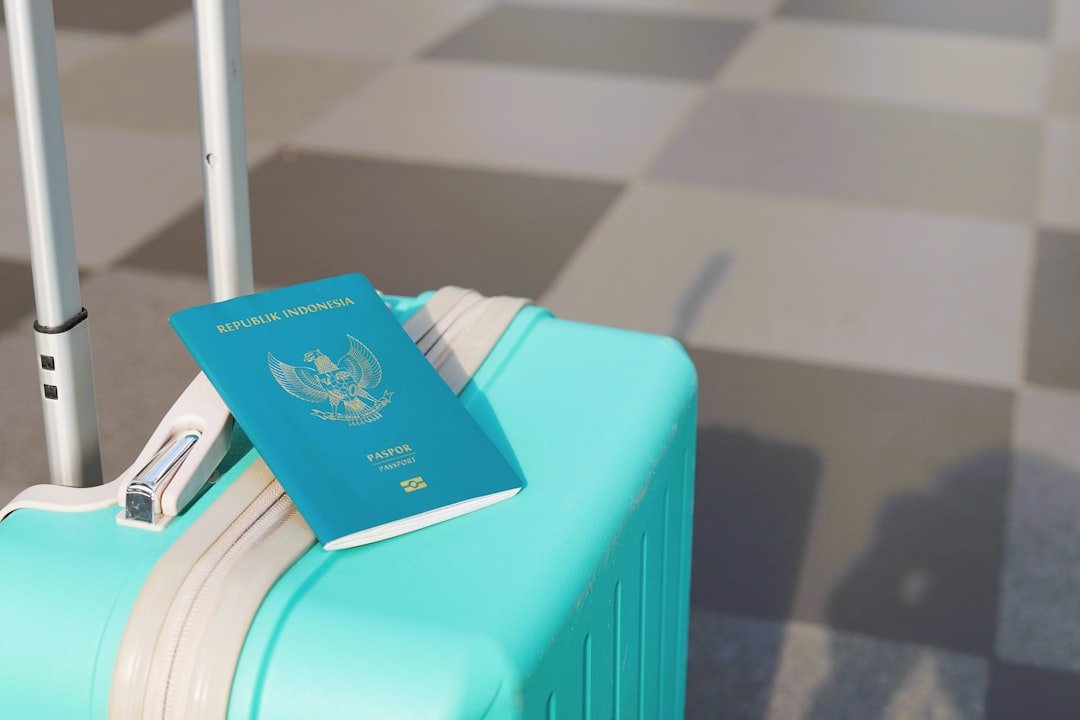
Visa rules depend on your nationality. Many travelers can enter the United States through the **Visa Waiver Program**, but they need an approved **ESTA** before boarding. Others require a visitor visa. Your passport should meet U.S. validity requirements, and immigration officers may ask about your accommodation and onward or return travel. Check the official U.S. government website before booking, since entry rules can change.
### Where to Stay
California accommodation prices vary dramatically, but these areas are reliable choices:
– **San Francisco:** Stay around Union Square for convenience, Nob Hill for classic hotels, or the Marina and Pacific Heights for a quieter, more residential feel.
– **Los Angeles:** Santa Monica is great for the beach, West Hollywood is central for restaurants and nightlife, and Los Feliz works well for a more local atmosphere.
– **San Diego:** Choose the Gaslamp Quarter for nightlife, Little Italy for restaurants, or Coronado for a peaceful beach stay.
– **Big Sur and the Central Coast:** Book early. Small inns and cabins fill quickly, and staying in nearby Monterey or Cambria can be much more affordable.
– **Joshua Tree:** Look at vacation rentals in Joshua Tree or Twentynine Palms, especially if you want a kitchen and outdoor space.
If your schedule is flexible, Sunday through Thursday nights are often noticeably cheaper than weekends.
### Getting Around
California is not one single easy-to-navigate city—it’s a very large state.
In San Francisco, you can manage well with walking, buses, BART, Muni, and occasional rideshares. Los Angeles has improving rail connections, but a car is still useful if you want to visit several spread-out neighborhoods. San Diego is easier to explore without a car in central areas, though one helps for beaches and day trips.
For road trips, rent a car and download offline maps before entering national parks or remote coastal stretches. Gas prices are high, and automatic toll systems are common around major cities, so ask your rental company how toll charges are handled.
## Real Costs & Local Tips
California is not a bargain destination, but you can keep costs sensible with a little planning. These estimates are per person and exclude international flights:
– **Budget travel:** roughly **$90–$150 per day**, staying in hostels or sharing rooms, eating casually, and using public transportation where possible.
– **Mid-range travel:** roughly **$200–$350 per day**, including a comfortable hotel, restaurant meals, rideshares, and occasional attractions.
– **Road-trip travel:** add the cost of a rental car, fuel, parking, and park fees. For two people sharing a car and room, the daily cost becomes much more manageable.
The currency is the **U.S. dollar**. Credit and debit cards are accepted almost everywhere, though a little cash is useful for farmers markets, small food stands, and parking meters. Tipping is customary: around **18–22%** at sit-down restaurants, with smaller tips for cafés, bartenders, drivers, and hotel staff depending on the service.
A few tricks that genuinely help:
– **Buy groceries for road trips.** A picnic beside the ocean is often better—and far cheaper—than another restaurant meal.
– **Use hotel parking carefully.** Downtown and beach-area parking can add $30–$70 per night, so check the full price before booking.
– **Visit national parks early or late.** You’ll avoid the worst crowds, find parking more easily, and enjoy cooler temperatures.
– **Don’t judge a restaurant by its location.** Some of the best tacos, noodles, and family-run cafés are tucked into strip malls far from the tourist streets.
– **Book popular stays early.** Big Sur, Yosemite, Joshua Tree weekends, and coastal holidays can sell out months ahead.
California rewards curiosity. Come for the famous bridge, the palm-lined roads, or the Hollywood sign—but leave a little space in your plans for the roadside fruit stand, the quiet beach, the mountain viewpoint, or the tiny restaurant you found by accident. Those unplanned moments are usually what stay with you longest.
KEYWORDS: California coast, Joshua Tree desert