
# Antigua and Barbuda in the Spotlight: What to Know Before SOTIC 2027
Antigua and Barbuda has always had a quiet confidence: beautiful beaches, friendly villages, old sailing history, and enough space to find your own patch of sand. Now the islands are preparing to welcome **SOTIC 2027**, the Caribbean Tourism Organization’s major State of the Tourism Industry Conference.
That is a big moment for the country. Tourism leaders, travel professionals, and industry voices from across the region will gather here to talk about the future of Caribbean travel. For visitors, it also puts Antigua and Barbuda firmly on the travel map at a time when the islands are working to offer more than the classic beach holiday.
## The Vibe & When to Go
Antigua feels relaxed without being sleepy. Around St. John’s, you’ll find colorful shopfronts, busy market stalls, local buses, and the everyday rhythm of island life. Outside the capital, the pace slows down quickly. Roads wind past dry hills, goats wander near the roadside, and small beaches appear where you might be the only person swimming.
The weather is warm throughout the year, usually around the mid- to high-20s Celsius. **December through April** generally brings the driest, breeziest weather and is the most popular time to visit. May and June can be pleasantly quieter, while the wetter months run roughly from July through November. Hurricane season is also a factor during that period, so I would book flexible accommodation and check weather updates before traveling.
For SOTIC 2027, watch for the official conference dates and venue announcements. If you plan to attend, booking early will matter, especially if the event falls during the busy winter season. Even if you are not attending the conference, the gathering should bring extra energy, cultural events, and attention to local businesses.
## Must-See Spots: My Top Picks
### 1. English Harbour and Nelson’s Dockyard
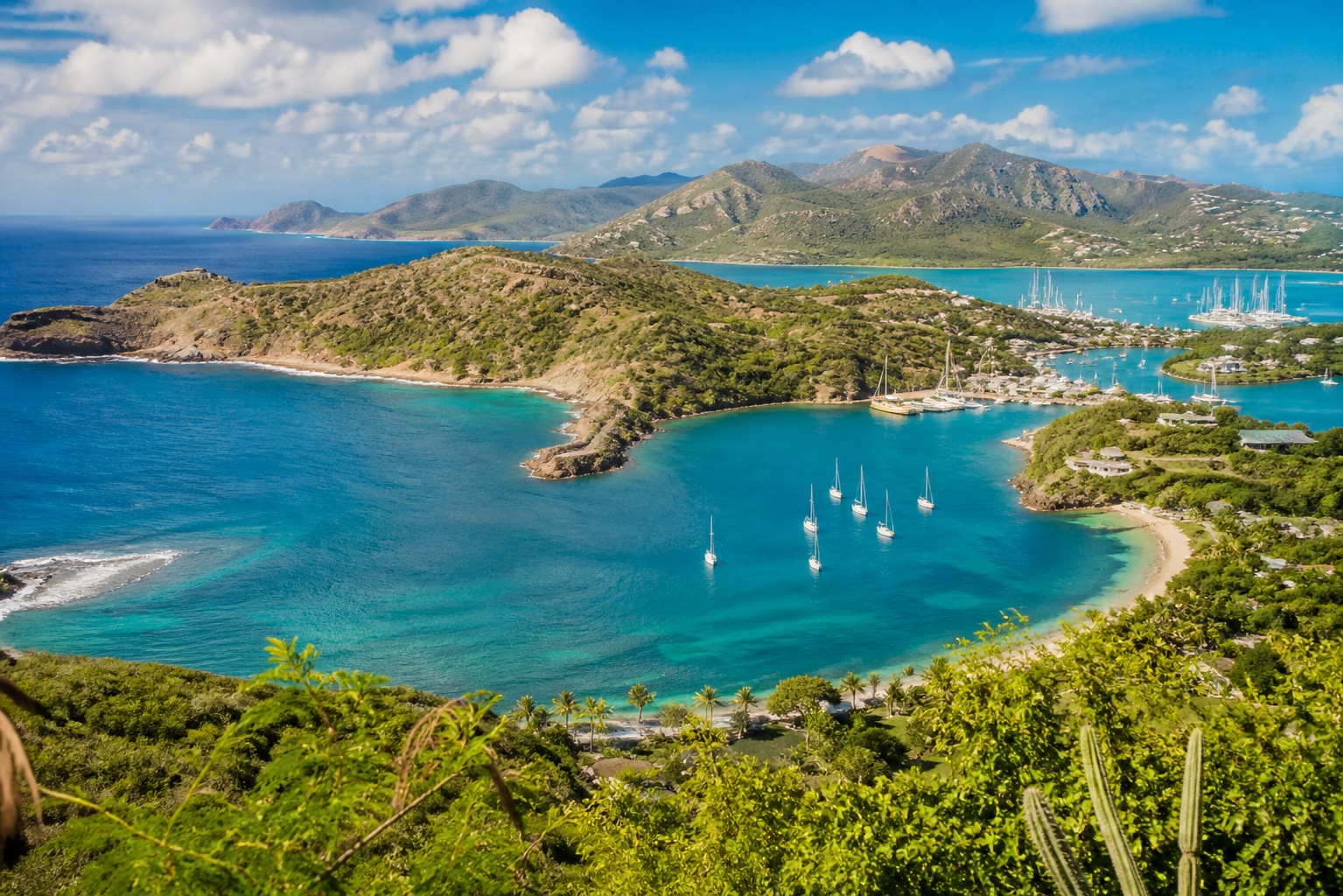
Nelson’s Dockyard is the island’s best-known historic site, but it does not feel like a museum you rush through in half an hour. I liked wandering slowly between the restored stone buildings, sailboats, cafés, and small galleries. The harbor is especially lovely in the late afternoon when the boats return and the light softens.
Walk uphill to **Shirley Heights** for the classic view over English Harbour. The Sunday barbecue is famous, but I also enjoy going on a quieter day for the scenery. Bring water and shoes with a little grip—the walk can be steep and hot.
**My tip:** Stay in English Harbour for a few nights if you enjoy sailing, restaurants, and evening drinks. It has a more social feel than much of the rest of the island.
### 2. Half Moon Bay
Half Moon Bay is one of the places that made me understand why Antigua is known for having so many beaches. The long curve of pale sand feels wild compared with the more developed resort areas, and the water shifts between turquoise and deep blue depending on the light.
The Atlantic side can be rougher, so check the surf before swimming. On a calm day, bring your own towel, snacks, and shade because facilities are limited. This is a beach for a slow afternoon, not a packed schedule.
### 3. St. John’s Market and the Local Streets
St. John’s is easy to overlook if you spend your whole trip at a resort, but I recommend giving the capital a few hours. The public market is lively, especially on weekday mornings and Saturdays, with fruit, vegetables, spices, hot food, and local conversation.
Afterward, walk around the side streets near the center and stop for a drink or a simple lunch. The city is not polished in every corner, and that is part of its appeal. You see the practical, lived-in side of Antigua rather than only the postcard version.
**A small courtesy:** Ask before photographing vendors or people at work. A friendly greeting goes a long way.
### 4. Barbuda for a Different Pace
Barbuda is quieter and more remote than Antigua, with wide beaches, low development, and a strong connection to fishing and community life. The famous pink-sand areas near Codrington Lagoon are best visited with a local guide, who can explain the island’s birdlife and history.
You can travel by ferry or small plane, depending on the schedule and weather. I would not try to squeeze Barbuda into a rushed day if you are also attending SOTIC. Give yourself extra time for delays and keep your plans flexible. The island rewards patience.
## Practical Travel Advice
### Getting There & Visa
Most international visitors arrive at **V.C. Bird International Airport**, near St. John’s. There are direct and seasonal flights from parts of North America, the United Kingdom, and other Caribbean islands. Routes can change outside the busiest season, so compare flight schedules carefully rather than assuming a daily service.
Travelers usually need:
– A passport valid for the required period of stay
– An onward or return ticket
– Proof of accommodation
– Evidence that they can support themselves during the visit
– A visa, if their nationality requires one
Visa rules depend on your passport. Check the official Antigua and Barbuda immigration or consular website before booking, since airline staff may ask for documents at check-in. If you are attending SOTIC 2027, keep your conference registration or invitation details available as well.
### Where to Stay
**St. John’s:** Best for local life, markets, restaurants, and easier access to the airport. Accommodation ranges from guesthouses to larger hotels.
**English Harbour:** A good choice for sailing, nightlife, historic sites, and a more polished restaurant scene. It is popular with boat crews and long-stay visitors.
**Jolly Harbour and the west coast:** Better for calm swimming, self-catering apartments, and sunset beaches. This area can feel more residential and resort-oriented.
**Dickenson Bay:** Convenient if you want a classic beach holiday with hotels, water activities, and easy access to St. John’s.
**Barbuda:** Choose this only if you want quiet and are comfortable with fewer services. It is not the place for a tightly scheduled itinerary.
### Getting Around
Antigua is not especially walkable outside central St. John’s, so most visitors use taxis, buses, or rental cars.
– **Rental car:** The most flexible option for beach-hopping. Drive on the left, take your time, and expect some uneven roads and limited signage.
– **Taxis:** Common at the airport, hotels, and main visitor areas. Agree on the fare before leaving if the price is not clearly posted.
– **Public buses:** Affordable and useful between St. John’s and some larger communities, but routes and schedules are informal. They are not ideal for reaching remote beaches.
– **Rideshare apps:** Do not assume the kind of app-based rideshare service available in major cities. Taxis and hotel-arranged drivers are more dependable.
– **Barbuda transport:** Arrange ferry, flight, and local transfers ahead of time, especially around busy travel periods.
If you rent a car, download offline maps and avoid planning too many beaches in one day. Antigua looks small on a map, but slow roads, hills, and photo stops add up.
## Real Costs & Local Tips
Antigua uses the **Eastern Caribbean dollar**, though US dollars are widely accepted in tourist areas. Credit cards work at most hotels and established restaurants, but I always carry cash for buses, small food stands, beach vendors, and tips.
### Approximate daily budgets per person
**Budget: US$80–130**
– Guesthouse or simple room shared with another traveler
– Local buses and occasional taxi rides
– Bakeries, food stalls, and inexpensive cafés
– One free beach day and low-cost sightseeing
**Mid-range: US$180–350**
– Comfortable hotel or apartment
– Rental car or several taxi trips
– A restaurant meal, drinks, and paid attractions
– A boat trip or organized excursion
Prices rise during the high season and around major events such as SOTIC. Accommodation may be the largest part of your budget, especially if you travel alone.
### Tipping and everyday savings
– In restaurants, check whether a service charge is already included. If it is not, around 10–15% is a reasonable gesture for good service.
– Tip taxi drivers, hotel staff, and guides when they have been helpful. Small cash tips are appreciated.
– Buy fruit, pastries, and simple lunches from local shops instead of eating every meal at a resort.
– Ask your accommodation about beach chairs, snorkel gear, and airport transfers before renting them separately.
– Carry reef-safe sunscreen and a reusable water bottle; buying basics in resort areas can be surprisingly expensive.
– Do not pay for every beach excursion. Some of Antigua’s best moments cost nothing beyond transport: an early swim, a walk along the coast, or sunset from a quiet viewpoint.
– If a taxi quote sounds high, ask whether it is per person or for the whole vehicle before getting in.
SOTIC 2027 will bring a professional spotlight to Antigua and Barbuda, but the islands’ real appeal remains personal: a conversation with a fruit seller, a quiet beach after the day-trippers leave, a plate of fresh seafood, or a long view across English Harbour. Plan around the conference if you are attending, but leave room for the unplanned parts. Those are usually the memories that stay with you.
KEYWORDS: Antigua beach, English Harbour