
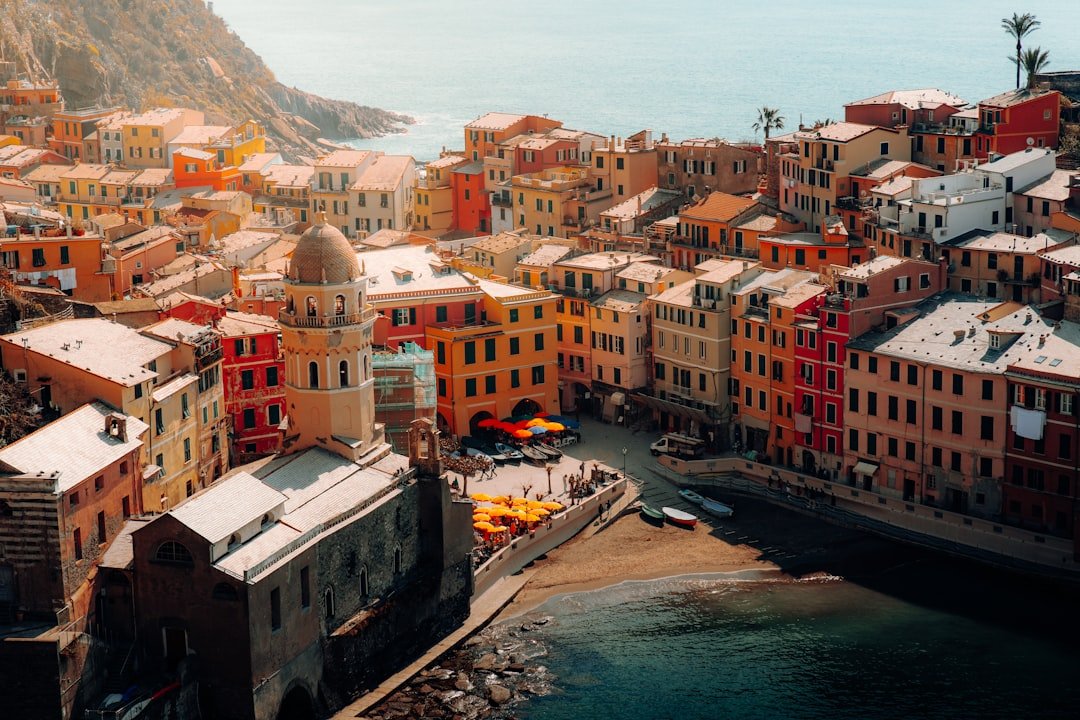
# Five Beautiful Places Where Tourists Outnumber Locals—and the Better Trips I’d Take Instead
There’s a strange moment that happens in famous destinations: you turn a corner expecting everyday life and find yourself surrounded by selfie sticks, cruise groups, and three different lines for gelato.
That doesn’t mean these places aren’t worth seeing. Venice at sunrise is still magical. Santorini can still make your jaw drop. But when visitor numbers dwarf the local population, a little planning—and sometimes a nearby alternative—can make your trip feel far more personal.
Here are five destinations where tourists can overwhelm residents, plus the quieter places I’d choose when I want the same beauty without feeling like I’m walking through a theme park.
—
## 1. Venice, Italy — Go Early, Then Escape to the Lagoon Islands
Venice is one of those places that seems almost too beautiful to be real. Marble palaces rise directly from the water, laundry flutters above narrow alleys, and even getting lost feels like part of the experience.
The trouble is that the central districts can become intensely crowded, especially when cruise passengers arrive and during the summer months. Visit in **late winter, spring, or October and November** for cooler weather and fewer shoulder-to-shoulder moments. Summer is warm, humid, and busy, though early mornings are still wonderfully peaceful.
### My favorite Venice moments
– **St. Mark’s Square before breakfast:** Arrive around 7 a.m., when the square is mostly empty and the light turns the Basilica’s mosaics golden. Have coffee standing at a neighborhood bar rather than paying for a table in the piazza.
– **The Cannaregio backstreets:** Wander north from the main sights and you’ll find small wine bars, quiet canals, and locals chatting outside bakeries. The Jewish Ghetto is especially atmospheric in the evening.
– **The vaporetto to Burano:** Burano’s bright houses are famous, but the boat ride itself is part of the fun. Go early, walk beyond the main lane, and stop for risotto or seafood rather than eating beside the dock.
– **Dorsoduro at sunset:** This is where I go when Venice starts feeling hectic. Browse the art around the Accademia, stroll beside the Zattere, and watch the light soften over the Giudecca Canal.
### Where I’d travel instead: Trieste or Chioggia
**Trieste** gives you grand Austro-Italian architecture, excellent coffee, a breezy waterfront, and a fascinating mix of Central European and Adriatic culture. It feels lived-in rather than staged.
For a smaller substitute, try **Chioggia**, a fishing town south of Venice with canals, seafood restaurants, and a much more relaxed pace. It’s sometimes called “Little Venice,” but thankfully without quite so many crowds.
### Practical notes
– **Getting there and visas:** Venice has direct flights from many European hubs. From the airport, you can take a bus, taxi, or water bus. Italy is in the Schengen Area, so visa rules depend on your passport; many visitors can enter visa-free for up to 90 days, but check the official Italian or EU immigration site before booking.
– **Where to stay:** Stay in **Cannaregio** for a quieter local feel, **Dorsoduro** for galleries and evening walks, or **Castello** for more space and lower prices. San Marco is convenient but usually the most expensive and crowded.
– **Getting around:** Walk whenever possible and use the **ACTV vaporetto** for longer distances. Download an offline map—Venice’s alleys are wonderfully confusing. If you arrive with luggage, check bridge crossings before choosing a route.
—
## 2. Dubrovnik, Croatia — See the Walls, Then Head Up the Coast
Dubrovnik is undeniably dramatic. Its old stone walls glow orange at sunset, the Adriatic is impossibly blue, and every staircase seems to reveal another postcard view.
It also has a small permanent population compared with the number of visitors who arrive each year, particularly from cruise ships. **May, early June, September, and October** are my favorite times to go: the sea is often warm enough for swimming, and the old town is much easier to enjoy.
### What I’d put at the top of your list
– **The city walls early in the morning:** Go as soon as they open, before the heat and day-trippers arrive. Wear proper shoes—the stone can be slippery, and there are more stairs than you expect.
– **Mount Srđ:** Take the cable car if the weather is clear, or walk if you’re feeling energetic. The view over the tiled roofs and islands is spectacular, especially near sunset.
– **Lokrum Island:** It’s just a short boat ride away but feels like a completely different world. Pack water, swimwear, and a snack, then find a quiet rocky cove away from the main landing.
– **The Gruž neighborhood:** This working harbor area has a morning market and more reasonably priced restaurants than the old town. It’s a good place to see Dubrovnik as a real city rather than just a historic backdrop.
### Where I’d travel instead: Šibenik or Cavtat
**Šibenik** has a beautiful old center, a remarkable stone cathedral, and access to nearby national parks. It’s atmospheric without feeling overrun.
If you want a seaside escape close to Dubrovnik, choose **Cavtat**. It has a calm harbor, swimming spots, waterfront walks, and easy boat connections into Dubrovnik for a day visit.
### Practical notes
– **Getting there and visas:** Dubrovnik Airport has seasonal international service, so flight options can change dramatically outside summer. Croatia uses the euro and is part of the Schengen Area. Visa-free access for short stays applies to many nationalities, but always verify based on your passport.
– **Where to stay:** The **old town** is atmospheric but noisy and stair-heavy. Choose **Lapad** for beaches and family-friendly hotels, **Gruž** for transport and local food, or **Cavtat** for a quieter base.
– **Getting around:** The old town is entirely walkable, but it is not luggage-friendly. Local buses connect the main neighborhoods, and ferries serve nearby islands. For day trips, compare bus and boat prices before booking through a hotel desk.
—
## 3. Santorini, Greece — Trade the Famous Sunset for a Slower Island
Santorini’s cliffs, whitewashed villages, and volcanic caldera are famous for good reason. The view from Oia can stop you in your tracks.
But Santorini has a small resident population and receives a staggering number of visitors, especially when cruise ships are in port. **April, May, late September, and October** bring pleasant temperatures and a more comfortable rhythm. July and August are hot, windy, and very busy.
### My best Santorini experiences
– **Walk from Fira to Oia—but start early:** The trail is beautiful, with views that improve around every bend. Bring water, wear sun protection, and don’t underestimate the heat.
– **Visit Pyrgos and Megalochori:** These inland villages are quieter than the caldera towns and have lovely lanes, old churches, and family-run tavernas. I prefer exploring them in the late afternoon, when the day-trippers have left.
– **Swim at Red Beach or Perissa:** Red Beach is dramatic but can be crowded and occasionally affected by access restrictions. Perissa and Perivolos are easier for a relaxed beach day, with long stretches of dark volcanic sand.
– **Take a boat trip only if you enjoy being on the water:** A caldera cruise is a nice way to see the cliffs, but compare group sizes carefully. The cheapest option can mean spending the day packed tightly on deck.
### Where I’d travel instead: Naxos or Milos
**Naxos** is my favorite alternative for a first-time Greek island trip. It has long sandy beaches, mountain villages, excellent local food, and a more grounded feeling. You can still watch a beautiful sunset from the Portara without fighting quite so hard for a spot.
**Milos** is ideal if you want unusual coastlines, sea caves, and swimming. Rent a small car or join a boat trip, and you’ll find landscapes that are every bit as memorable as Santorini’s caldera.
### Practical notes
– **Getting there and visas:** Santorini has an airport with seasonal international flights and frequent connections from Athens. Ferries from Piraeus and other islands are another option. Greece follows Schengen entry rules, so check requirements for your nationality before traveling.
– **Where to stay:** Stay in **Fira** for transport and nightlife, **Imerovigli** for caldera views without quite as much bustle, or **Kamari/Perissa** for better-value beach accommodation. Oia is gorgeous but often the priciest choice.
– **Getting around:** Buses connect the main villages, though they can be crowded in summer. A rental car offers freedom, but parking is difficult in popular villages. Scooters are only sensible if you’re experienced—the roads can be steep and unpredictable.
—
## 4. Amsterdam, Netherlands — Enjoy the Canals, Then Sleep Somewhere Calmer
Amsterdam is compact, beautiful, and endlessly photogenic. Its canal houses lean at charming angles, bicycles glide past at alarming speed, and there’s always another cozy brown café around the corner.
The central districts can feel overwhelmed by visitors, particularly on summer weekends and during tulip season. Go in **April or May for gardens and mild weather**, or choose September and October for a calmer city break. Winter is chilly but atmospheric, with fewer crowds and warm candlelit cafés.
### The Amsterdam spots I keep returning to
– **The Jordaan early in the day:** It’s much nicer before the brunch crowds arrive. Browse the small shops, peek into courtyards, and stop at a bakery for an almond-filled pastry.
– **The Rijksmuseum and Museumplein:** Book major museums ahead of time. Afterward, walk south through the quieter residential streets toward De Pijp rather than staying in the busiest museum corridor.
– **A canal ride at dusk:** Choose a small boat with an open deck or a less crowded departure time. The evening light on the canal houses is worth seeing from the water, but you don’t need an expensive dinner cruise.
– **Noord:** Take the free ferry behind Centraal Station and explore Amsterdam Noord’s creative spaces, waterfront paths, and relaxed cafés. The ride itself takes only minutes.
### Where I’d travel instead: Utrecht or Haarlem
**Utrecht** has canals, cycling culture, lively cafés, and a beautiful medieval center—but feels like a city where people actually live rather than a nonstop visitor attraction. Its lower-level wharf cafés are especially fun.
**Haarlem** is an easy train ride away and offers handsome streets, excellent museums, a magnificent church, and a slower pace. It also makes a convenient base for day trips to the coast.
### Practical notes
– **Getting there and visas:** Amsterdam Schiphol is a major European hub, and trains connect directly with the city center. The Netherlands is in the Schengen Area; visa requirements depend on your passport.
– **Where to stay:** Choose **De Pijp** for restaurants and nightlife, **Jordaan** for charm, **Oost** for a more local atmosphere, or stay in **Haarlem** if you prefer quieter evenings and lower prices.
– **Getting around:** Use trains, trams, and ferries with an **OVpay** contactless card or a transit pass. Walk carefully near bike lanes—bicycles have the right of way, and they move quickly. I usually avoid renting a bike in the center unless I’m already confident cycling in heavy traffic.
—
## 5. Reykjavik, Iceland — Use the Capital as a Launchpad, Not the Whole Trip
Reykjavik is small, colorful, and surrounded by wild landscapes. You can drink excellent coffee in the morning, soak in a geothermal pool in the afternoon, and be staring at a black-sand beach or waterfall by evening.
Iceland receives far more visitors than its resident population, so even the capital can feel busy during the summer high season. **May, September, and early October** are excellent compromises: you get reasonable daylight, fewer people, and often better prices. Winter offers northern lights possibilities, but weather and road conditions require flexibility.
### What I love doing in and around Reykjavik
– **Walk the waterfront:** Start near Harpa Concert Hall and continue toward the Sun Voyager sculpture. It’s a simple stroll, but the views toward the mountains and ocean are beautiful on a clear day.
– **Soak like a local:** The public pools are cheaper and more authentic than the famous lagoons. Try Sundhöllin in the city or a neighborhood pool outside the center.
– **Explore beyond the Golden Circle:** The Golden Circle is convenient, but it can be crowded. If you have more time, consider the Snæfellsnes Peninsula or the South Coast, where you can spend more time outside the tour-bus circuit.
– **Visit Hallgrímskirkja at a quiet hour:** The church is striking from the outside, and the tower gives you a wonderful view of the city’s colorful rooftops.
### Where I’d travel instead: Akureyri or the Westfjords
**Akureyri** is a small, friendly northern town with gardens, cafés, fjord views, and access to waterfalls and hiking. It works beautifully for travelers who want a base with fewer crowds.
For a more remote adventure, choose the **Westfjords**. Roads are slower and weather can be unpredictable, but the cliffs, empty beaches, and tiny fishing villages feel wonderfully far from the usual tourist route.
### Practical notes
– **Getting there and visas:** Keflavík International Airport is outside Reykjavik, with airport buses and rental cars connecting the two. Iceland is part of the Schengen Area, so check entry rules according to your passport.
– **Where to stay:** The **city center** is convenient for restaurants and nightlife, **Vesturbær** is quieter and residential, and **Laugardalur** is useful for families and access to pools. Outside Reykjavik, guesthouses often offer better value.
– **Getting around:** Reykjavik is walkable, and buses cover the city. For rural Iceland, a rental car gives you the most flexibility, but check road conditions through **road.is** and weather warnings before setting out. Guided day tours are safer than driving if you’re visiting in winter.
—
## Realistic Daily Costs
Prices vary sharply by season, but these are reasonable estimates for one traveler, excluding international flights:
| Destination | Budget style | Mid-range style |
|—|—:|—:|
| Venice | €70–€110 | €160–€280 |
| Dubrovnik | €65–€100 | €150–€250 |
| Santorini | €70–€120 | €170–€320 |
| Amsterdam | €80–€130 | €180–€300 |
| Reykjavik | €90–€140 | €200–€350 |
Budget travel usually means hostels or simple guesthouses, public transport, bakeries, markets, and one inexpensive restaurant meal. Mid-range travel generally includes a private room, a few paid attractions, and occasional taxis or tours.
The **euro** is used in all five destinations. Tipping is appreciated but not as deeply expected as in the United States. Rounding up or leaving around **5–10%** for genuinely good service is usually enough. Check the bill first, as some restaurants include a service charge.
### A few tricks that save money and frustration
– **Check cruise-ship schedules** before visiting Venice, Dubrovnik, or Santorini. If a huge ship is in port, shift your sightseeing to early morning or choose a nearby town that day.
– **Book major attractions online, but don’t book every meal in advance.** Some restaurants aimed at tourists rely more on location than quality. Walk a few blocks away from the busiest square or harbor.
– **Eat your biggest meal at lunch.** Set menus and local cafés are often noticeably cheaper during the day, especially in Italy, Croatia, and Greece.
– **Use supermarkets and bakeries strategically.** A picnic of good bread, cheese, fruit, and pastries can be one of the best meals of the trip—and far cheaper than eating beside a landmark.
– **Stay one transport stop outside the postcard center.** You’ll often save on accommodation while gaining quieter mornings and better neighborhood restaurants.
– **Carry a reusable water bottle.** Iceland is the obvious winner for free, delicious tap water, but it’s useful everywhere and cuts down on overpriced bottles.
The main lesson isn’t to avoid famous places altogether. It’s to give them the time and space they deserve—or to choose a nearby alternative where your money supports everyday local businesses instead of only the busiest tourist corridors.
**KEYWORDS: European travel**