
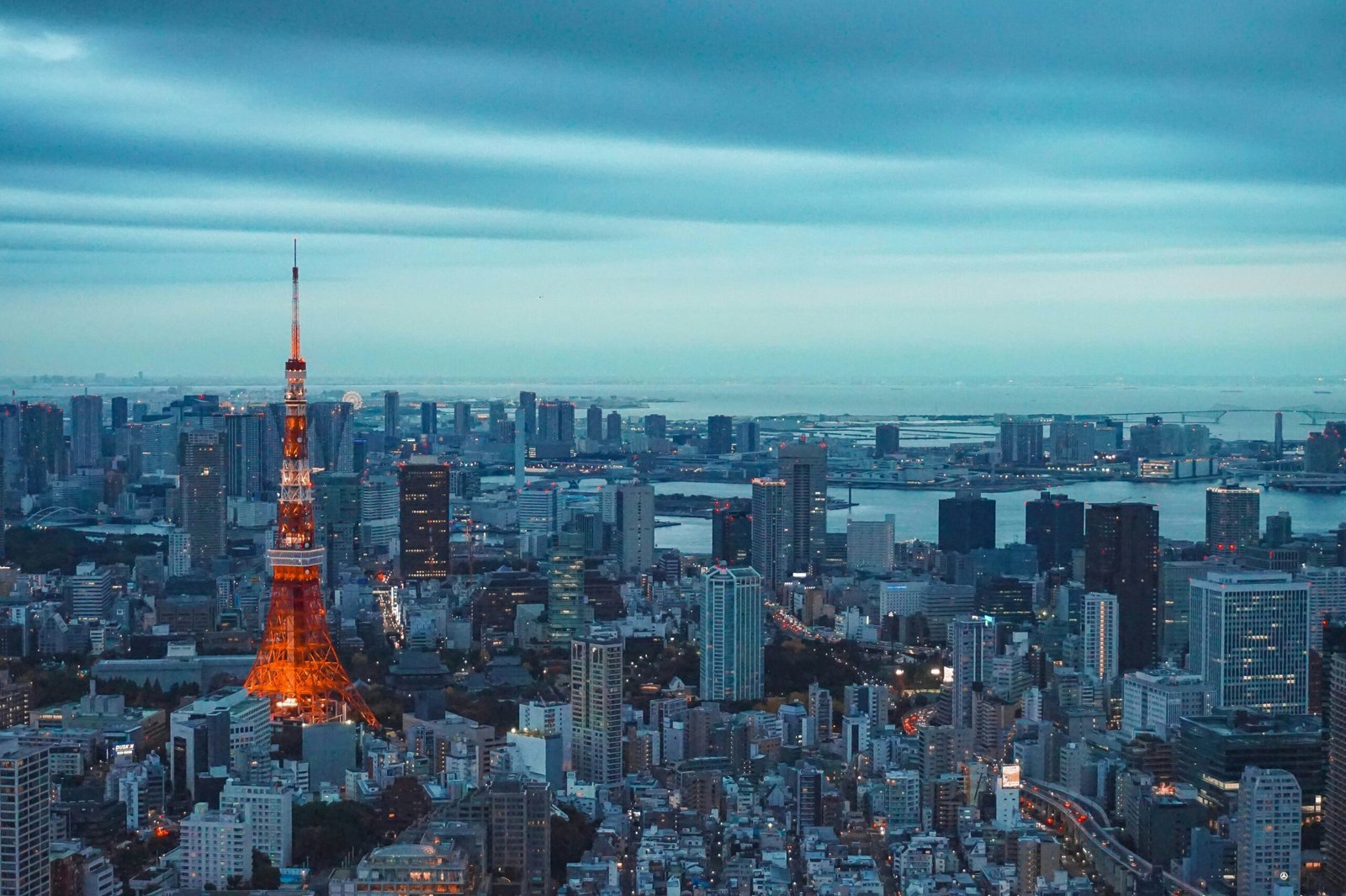
Tokyo is a city of contrasts that somehow never feels chaotic — centuries-old temples sit a few train stops from neon-lit crossings, and the world’s busiest train system runs with a quiet, almost eerie precision. It’s a city that rewards planning, but also one where getting a little lost is often the best part of the trip.
When to Visit Tokyo
- Late March–April: Cherry blossom season — stunning, but also the busiest and most expensive stretch of the year. Book accommodations months ahead if this is your target window.
- May–June: Comfortable temperatures and thinner crowds, right before the rainy season hits in mid-June.
- September–November: Widely considered the best all-around season — mild weather, autumn foliage in November, and fewer crowds than spring.
- July–August: Hot and humid, though also when many of Tokyo’s biggest summer festivals and fireworks displays happen.
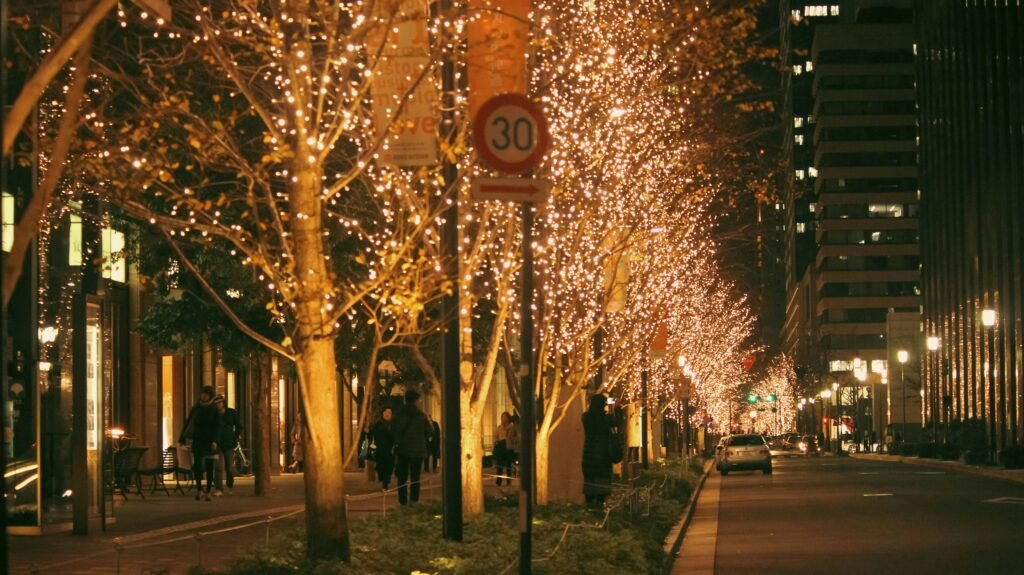
- December–February: Cold but dry and clear, with holiday illuminations and some of the year’s lowest hotel prices.
Where to Stay
- Shinjuku — a major transport hub with endless dining and nightlife; a practical, central base for first-timers.
- Shibuya — young, energetic, and famous for its scramble crossing; good for travelers who want to be in the middle of the action.
- Asakusa — Tokyo’s most traditional neighborhood, home to Senso-ji Temple; best for a quieter, more historic atmosphere.
- Ginza — upscale and polished, with high-end shopping and dining; best for travelers wanting a more refined stay.
Tokyo’s train network makes almost any neighborhood a reasonable base — proximity to a major station matters more than which specific ward you choose.
Top Things to Do
- Senso-ji Temple, Asakusa — Tokyo’s oldest temple, with a lively approach street (Nakamise-dori) full of traditional snacks and souvenirs. Go early morning to beat the crowds.
- Shibuya Crossing — the world’s busiest pedestrian intersection; for the classic view, head to the Starbucks or Shibuya Sky observation deck overlooking it.
- Meiji Shrine — a peaceful forested shrine right next to the buzz of Harajuku, offering a striking contrast within a five-minute walk.
- teamLab Planets or Borderless — Tokyo’s immersive digital art museums, consistently ranked among the city’s most memorable modern experiences; book tickets online in advance.
- Tsukiji Outer Market — the original fish market’s outer stalls are still open for incredible street food and fresh sushi breakfasts, even though the main wholesale market moved to Toyosu.
- A day trip to Nikko or Hakone — both roughly 2 hours from Tokyo by train, offering mountain scenery, hot springs, and (on clear days at Hakone) views of Mount Fuji.
Practical Travel Tips
- Get a Suica or Pasmo IC card: these rechargeable transit cards work on nearly all trains, subways, and buses, and can even be used at convenience stores — an essential first stop at the airport.
- Cash still matters: while card payment has expanded significantly, many smaller restaurants and shops remain cash-only — keep yen on hand.
- JR Pass math: the Japan Rail Pass is only worth it if you’re taking multiple long-distance bullet train trips outside Tokyo; for a Tokyo-only trip, it’s usually not worth the cost.
- Pocket WiFi or eSIM: grab one at the airport or order in advance — consistent data makes navigating the train system far easier.
- Learn a few basic phrases: a simple “sumimasen” (excuse me) and “arigatou gozaimasu” (thank you) go a long way, even though English signage is common in central Tokyo.
- Convenience stores are genuinely great: 7-Eleven, Lawson, and FamilyMart offer surprisingly good, cheap meals and are open 24/7 — don’t underestimate them for a quick, solid meal.
How Many Days Do You Need?
5–6 days is a comfortable amount of time to cover Tokyo’s major neighborhoods without rushing, with room for one day trip outside the city. If you only have 3 days, focus on two or three neighborhoods rather than trying to see the whole city.
Final Thoughts
Tokyo rewards travelers who balance a plan with room to wander — book your must-see spots like teamLab or a specific shrine in advance, but leave stretches of the day open for wrong turns down quiet side streets, which is usually where the city’s best small restaurants and shops turn up.
Planning your own Tokyo trip? Explore more destination guides or get in touch for personalized recommendations.