
Paris is one of those cities that survives even the worst-planned trip — but a little planning turns “saw the Eiffel Tower” into a trip you actually remember. Here’s a practical breakdown of when to go, where to stay, and what’s worth your time.
When to Visit Paris
- April–June: Mild weather, blooming gardens, and the city at its most photogenic — also one of the busier windows.
- July–August: Warm and lively, but also peak tourist season, with many Parisians leaving the city for their own summer holidays (some smaller shops and restaurants close).
- September–October: Widely considered the best time to visit — comfortable weather, the “rentrée” energy of the city waking back up, and noticeably fewer tourists than summer.
- November–March: Cold and often grey, but also the cheapest flights and hotels, plus a magical stretch around the December holiday markets and lights.
Where to Stay
- Le Marais (3rd/4th arrondissement) — trendy, walkable, packed with cafés and boutiques. Best for first-timers who want to be in the middle of everything.
- Saint-Germain-des-Prés (6th) — classic, elegant, and central, with easy access to the Louvre and Luxembourg Gardens.
- Montmartre (18th) — hilly, artsy, and a little removed from the center, with some of the best skyline views in the city.
- Latin Quarter (5th) — historic, student-energy neighborhood near Notre-Dame, with some of the most affordable central options.
Top Things to Do
- The Louvre — go early morning or book a timed entry to skip the worst of the lines, and don’t try to see everything; pick 2–3 wings and go deep instead.
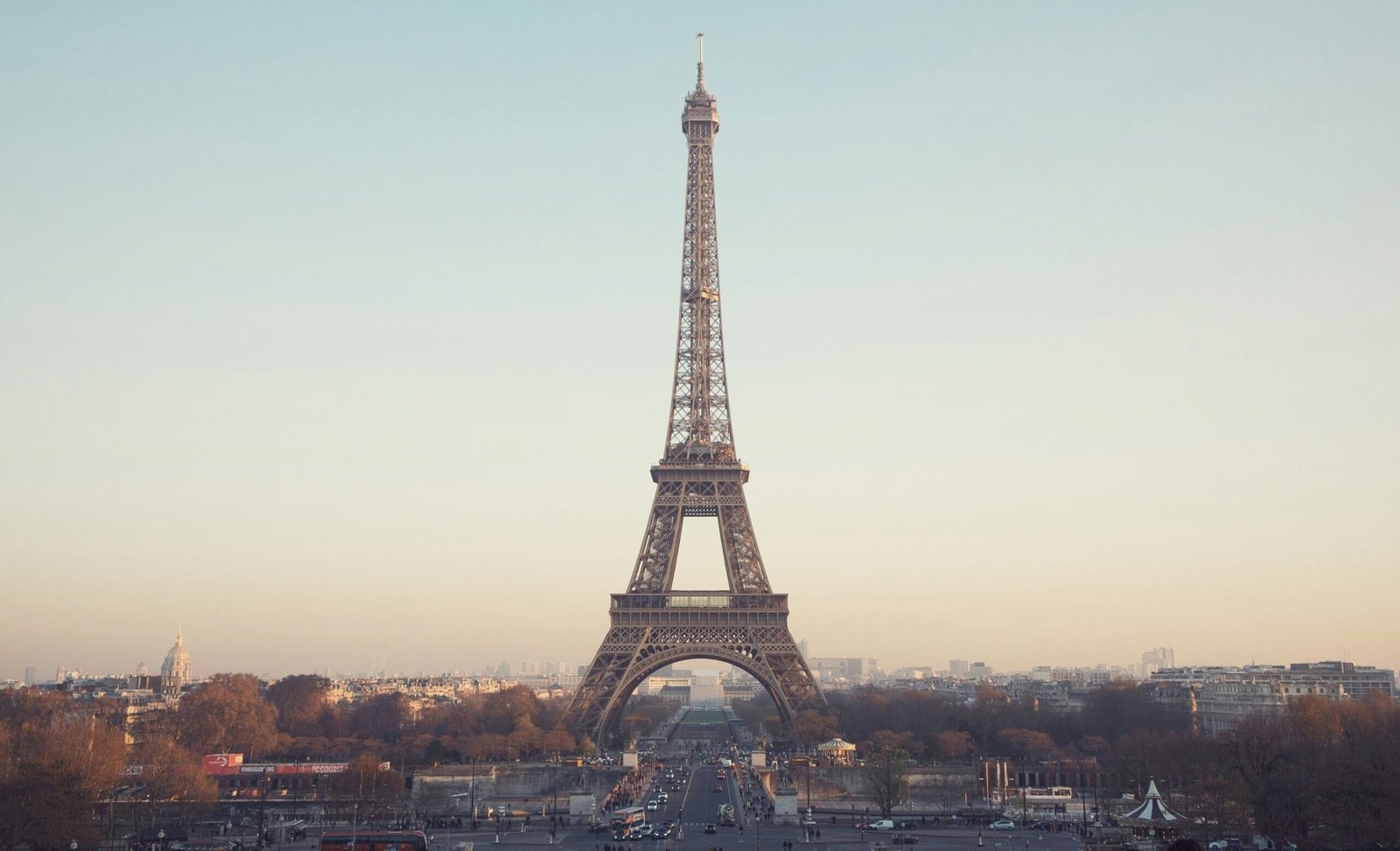
- Eiffel Tower at sunset, then Trocadéro at night — the tower itself is worth the visit, but the classic photo is actually from across the river at Trocadéro after dark.
- Montmartre and Sacré-Cœur — wander the cobbled streets around Place du Tertre, then catch the view from the Sacré-Cœur steps.
- Seine river walk or boat cruise — a low-effort way to see most of the city’s landmarks from the water, especially nice around golden hour.
- A neighborhood market morning — markets like Marché Bastille or Marché d’Aligre offer a slice of everyday Parisian life that most tourist itineraries skip entirely.
Practical Travel Tips
- Getting around: The Metro is fast, cheap, and covers the whole city — a carnet of tickets or a Navigo Easy card is more cost-effective than single fares.
- Reservations matter: Major sights like the Louvre, Eiffel Tower, and Palace of Versailles sell out — book timed tickets online in advance, especially in summer.
- Basic French goes a long way: A simple “Bonjour” before switching to English is a small courtesy that noticeably changes how you’re received in shops and cafés.
- Skip the tourist-trap cafés: Restaurants directly facing major landmarks are almost always overpriced and underwhelming — walk two streets back for better food at better prices.
- Watch for pickpockets: Crowded tourist spots and the Metro are the most common areas — a crossbody bag worn in front is a simple precaution.
How Many Days Do You Need?
4–5 days covers the major landmarks with room to explore a couple of neighborhoods at a slower pace. If you only have 2–3 days, prioritize one or two major sights per day rather than rushing between all of them.
Final Thoughts
The best Paris trips usually aren’t the most packed ones — leave room for a slow café morning, a wrong turn down a pretty street, or an evening with no plan at all. That’s usually where the city shows its best side.